Best Bermuda Grass Pasture Seed for Dense Pastures and Grazing
Bermuda grass pasture seed is a smart choice for improving grazing quality, drought tolerance, and long-term pasture health. This guide helps buyers pick seeds suited for pasture, hay, and rotational grazing across warm-season climates. The top picks cater to different needs: early spring growth, drought resilience, lawn-ready varieties, and mixed pastures for cattle or livestock. The summary table below highlights the best options for quick reference.
| Product | Best For | Notes |
|---|---|---|
| Outsidepride Forage Bermuda Seeds | Early grazing starts, multiple cuttings | Yellow Jacket coated for better germination |
| Outsidepride Chilly Verde Bermuda Grass Seed | Drought-tolerant, winter-hardy pastures | Tall, dense sod-forming growth |
| Pennington Bermudagrass Grass Seeds for Lawn (5 lb) | Thick, self-spreading lawn-scale pastures | Improved cold tolerance |
| Scotts Turf Builder Bermuda Grass Seed | Lawn-style pastures with fertilizer mix | 3-in-1 formula, strong root-building |
| Hancock’s Common Bermuda Spring & Summer Mix | Low-growth or erosion-prone areas | Ideal for central/southern U.S. |
Outsidepride Forage Bermuda Seeds

Type: Perennial Bermuda grass seed offering early spring green-up and high yield. Best for farmers and ranchers seeking multiple cuttings every 4-6 weeks for grazing or hay production. The Yellow Jacket coating improves germination, especially under limited irrigation, aiding establishment in varied soils. Use when rapid pasture establishment and year-round forage are priorities. Caution: performance can vary with extreme soils or irregular irrigation schedules.
Outsidepride Chilly Verde Bermuda Seed

Type: Warm-season perennial forage grass with tall, soft leaves and dense sod formation. Spreads aggressively via stolons and rhizomes for pasture, grazing, and hay. Noted for drought tolerance and winter hardiness across soil pH 4.5–8.0. Best for large pastures needing robust growth, especially in regions with hot summers. Caution: establishment may take longer in cooler soils, and irrigation is still important for rapid establishment.
Pennington Bermudagrass Grass Seeds for Lawn (5 lb)

Type: Lawn-focused bermudagrass seeds that create a thick, aggressively self-spreading turf. Noted for improved cold tolerance and a deep root system, making it suitable for smaller pastures and rotational grazing setups adjacent to home lawns. Best for buyers prioritizing an easy-to-establish, wear-resistant pasture that doubles as a durable lawn. Caution: may be less suitable for very large open pastures where full-scale pasture mixes are preferred.
Scotts Turf Builder Bermudagrass Seed
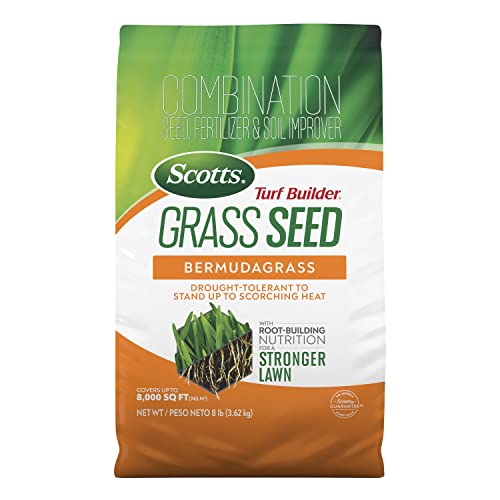
Type: 3-in-1 grass seed formula with seed, fertilizer, and soil improver. Designed for full sun and offers drought resistance with root-building nutrition for a stronger lawn and pasture. Best for homeowners or small farms seeking a combined seed-and-fertilizer solution to establish a resilient bermudagrass stand quickly. Caution: the blend is oriented toward lawns; very large pastures may benefit from separate pasture-specific mixes.
Hancock’s Common Bermuda Spring & Summer Mix
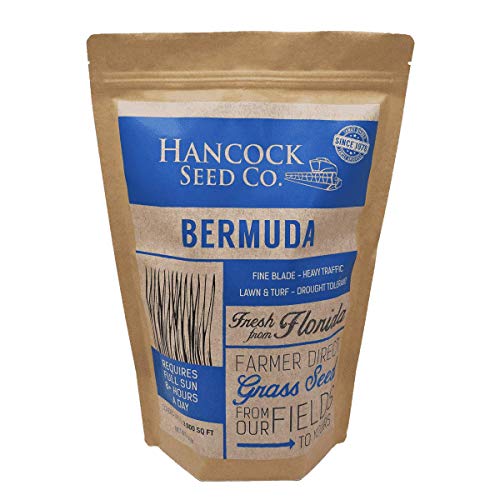
Type: Bermuda grass seed mix designed for lawn and pasture areas where other varieties may struggle. Also used for erosion control, making it a versatile option for variable terrain in central and southern U.S. Best for buyers needing a robust mix that tolerates challenging soils and helps with soil stabilization. Caution: seed mix composition can vary seasonally, so verify regional suitability for your exact location.
Buying Guide
Key considerations when selecting Bermuda grass pasture seed include climate suitability, growth habit, and management needs. The following questions help narrow choices:
- What is my climate and soil type, and does the seed tolerate drought and cold snaps? Look for drought-tolerant and winter-hardy varieties for variable conditions.
- Do I need rapid establishment for early grazing or hay production, or a lawn-style pasture that doubles as a yard?
- How important is seed coating or proprietary technology (such as Yellow Jacket) for germination and establishment?
- Is the pasture intended for cattle, horses, or mixed grazing, and should I prefer a tall, dense sod-forming variety or a self-spreading lawn-type mix?
- What management practices are required, including fertilization, irrigation, and mowing height to maximize yield?
Purchase considerations by scenario
- High-demand grazing: Choose seeds with proven rapid germination and dense forage, such as coated or streamlined germination blends.
- Drought-prone regions: Prioritize drought-tolerant and deep-rooting strains that maintain forage under limited irrigation.
- Small to medium pastures: A lawn-focused bermudagrass seed with good cold tolerance can work well for perimeter fencing and rotational grazing.
- Erosion control or mixed pastures: Mixed Bermuda blends or erosion-control seeds provide stabilization and forage.
FAQ
- What is bermudagrass best used for in pastures?
Bermudagrass is favored for warm-season pastures due to its vigorous growth, drought tolerance, and ability to recover quickly after grazing. - Do bermudagrass seeds require coatings for better germination?
Some products use coatings like Yellow Jacket to improve germination, particularly in limited irrigation. - Which Bermuda variety is winter hardy?
Certain cultivars show improved winter hardiness, but bermudagrass generally performs best in warm-season climates and may die back in cold winters. - Can bermudagrass blends help with erosion control?
Yes, some mixes are designed for erosion control and stabilization, especially on slopes or disturbed sites. - Is bermudagrass suitable for mixed-species pastures?
Bermuda can be part of mixed pastures, often coexisting with clover or ryegrass, depending on local conditions and grazing plans. - How should I manage mowing and irrigation?
Maintain appropriate mowing height and consistent irrigation to encourage dense forage and healthier root systems in dry periods.