Best Container for Growing Vegetables: Top Grow Bags and Planters for Bountiful Harvests
What to choose for successful vegetable growing depends on space, durability, and root health. This guide highlights five reliable containers that cater to balcony gardeners, small-yard growers, and indoor setups alike. Each option emphasizes drainage, air pruning, and ease of handling, helping you pick the best match for your vegetables, from tomatoes to potatoes. Below, a quick buying table summarizes the top picks and their ideal buyer profiles.
| Product | Best For | Key Benefit |
|---|---|---|
| Cavisoo 5-Pack 10 Gallon Grow Bags | Multi-plant setups, outdoor growing | Thick nonwoven fabric, reinforced handles |
| FEED GARDEN 5 Gallon Grow Bags 4 Pack | Beginner to intermediate balcony gardens | Thick fabric, upgraded handles, fast drainage |
| Land Guard 4-Pack Fabric Grow Bags 5 Gallon | Hobby growers with mobility needs | Sturdy, easy to move, excellent drainage |
| Jorvila 5 Pack 5 Gallon Grow Bags | Root health enthusiasts, reuse into seasons | 3G thick fabric, self-air pruning |
| Growia 2 Pack Tomato Planter With Trellis 56 Inch | Vertical space savers, climbing veg | Trellis support, self-watering features |
Cavisoo 5-Pack 10 Gallon Grow Bags
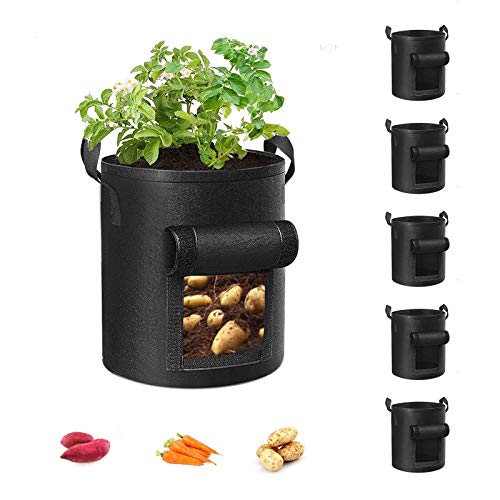
Best for: Gardeners who plant multiple vegetables in one area or need flexible spacing. These 10-gallon bags use 300g thick nonwoven fabric for durability and reuse across seasons. The breathable material promotes rapid drainage and healthy root environments, essential for tomatoes, leafy greens, and root crops. Reinforced handles with X-shaped stitching support heavier soil loads during transport or repositioning.
Why selected: The combination of thick fabric, robust handles, and long lifespan makes these bags a solid all-around choice for outdoor containers and seasonal rotations. The 10-gallon size balances soil volume with manageability, supporting strong root development without excessive weight.
Caution: As with any fabric bag, avoid leaving bags in direct, intense sun for extended periods to prevent excessive wear on seams. Ensure proper drainage to prevent waterlogging in heavy rains.
FEED GARDEN 5 Gallon Grow Bags 4 Pack

Best for: Growing veggies in patios or balconies where drainage and root health are priorities. These 5-gallon bags use 300G thick non-woven fabric to improve airflow and prevent over-watering while encouraging strong root systems. The double-stitched, reinforced handles simplify repositioning and seasonal changes.
Why selected: The thicker fabric and upgraded handles make this set particularly durable for repeated seasons and occasional heavy soil loads. Intended for vegetables, flowers, and herbs, it supports versatile planting layouts in constrained spaces.
Caution: Expect soil to settle over time; you may need to top up compost or soil between plantings for optimal root depth and stability.
Land Guard 4-Pack Fabric Grow Bags 5 Gallon

Best for: Gardeners seeking lightweight, easy-to-move bags with solid drainage. These 5-gallon bags are designed with sturdy non-woven fabric that remains breathable and allows roots to air-prune, reducing circling and promoting vigorous growth.
Why selected: The combination of high-strength weaving and easy mobility suits balcony and patio gardening where repositioning is frequent. The design supports healthy root systems and overall plant vigor.
Caution: Bag weight can be substantial when filled with soil; use the built-in handles mindfully to avoid stress on seams during transport.
Jorvila 5 Pack 5 Gallon Grow Bags

Best for: Root health enthusiasts who want reusable options and robust drainage. Jorvila bags use 300G thickened nonwoven fabric, providing durability and washability for reuse after drying. They support self-air pruning, which aids healthier root structures.
Why selected: The fabric’s durability and reusability align with growers seeking sustainability. The 5-gallon size is compact enough for limited spaces while still offering enough soil volume for mid-sized vegetables like potatoes and tomatoes.
Caution: While designed for reuse, ensure proper cleaning and drying between seasons to prevent mold and odor buildup.
CHUKEMAOYI Window Box Planter 7 Pack
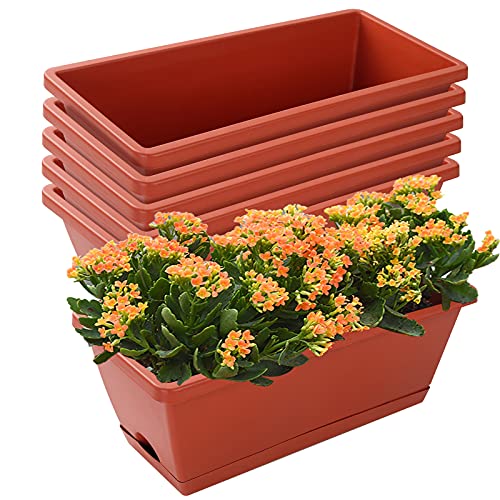
Best for: Indoor or patio gardening where a lightweight, easy-to-clean container is desired. These 17-inch long rectangular planters come with attached drainage trays, making them suitable for herbs, flowers, and small vegetables.
Why selected: The combination of lightweight plastic, built-in drainage, and saucers reduces mess and simplifies maintenance in sunlit windows or balconies. The large size supports herb clusters or compact vegetable varieties.
Caution: Plastic planters can heat quickly in hot sun; place them where they receive balanced light and consider using a soil mix suited for container vegetables to avoid overheating roots.
Growia 2 Pack Tomato Planter With Trellis 56 Inch

Best for: Vertical gardeners with limited ground space who want strong support for climbing vegetables. This 56-inch planter includes a trellis and a self-watering feature to stabilize moisture for tomatoes, cucumbers, and beans.
Why selected: Vertical growth saves space and keeps vines organized, reducing ground contact and pests. Self-watering support helps maintain even moisture, a key factor for tomato quality and yield.
Caution: Ensure the trellis is fully secured to prevent tipping in windy conditions and monitor water level to prevent overwatering in dry climates.
MQFORU 2Pack Raised Garden Bed Planter Boxes With Trellis
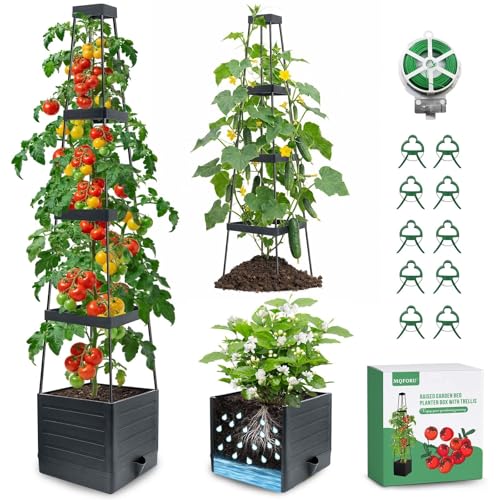
Best for: Gardeners seeking a larger elevated container with a trellis to support climbing vegetables. The set includes two 57″ trellis towers and a bottom reservoir for automated moisture management.
Why selected: The raised bed design simplifies soil management and reduces bending. The adjustable trellis and integrated watering streamline maintenance in medium to large garden spaces.
Caution: This option requires more space and setup time; ensure you have an appropriate area to place the elevated bed and trellis securely.
Buying Guide: Key Purchase Considerations
Material and durability: Choose thick nonwoven fabrics (around 300G) for longevity and better root aeration. Look for reinforced handles for easy transport and heavy soils.
Drainage and air pruning: Effective drainage prevents root rot and improves oxygen supply. Fabric bags encourage air pruning, which promotes healthy root systems.
Size and space: Match bag/container size to your space and crop type. Larger bags hold more soil and moisture but are heavier to move; vertical planters save ground area.
Mobility: If you need to rearrange plants seasonally or move containers, select bags with sturdy handles and light weight when empty.
Maintenance and reuse: Reusable bags save money and waste. Check how easy it is to clean and dry between seasons to prevent mold.
Placement and care: Consider sun exposure and temperature stability. Some plastics heat up in bright sun; place containers where roots won’t overheat. Use proper soil mixes designed for containers.
FAQ
- Are fabric grow bags better than plastic planters? Fabric grow bags improve drainage and air pruning, supporting healthier roots, but they may require more frequent watering checks than solid plastic planters.
- Can I reuse grow bags for several seasons? Yes, with proper cleaning and drying between uses. Thicker fabrics extend lifespan and reduce wear.
- What size bag should I use for tomatoes? A 5–10 gallon bag is typical for individual tomato plants, providing adequate soil volume for roots and moisture management.
- Do grow bags require drainage holes? Yes. Nonwoven fabric allows moisture to escape naturally, but ensure bags have adequate drainage or holes to prevent waterlogging.
- Is vertical gardening worth it for small spaces? Absolutely. Trellis-supported planters maximize growing area and keep plants off the ground, improving air circulation and yield.
- What is the best way to start using new grow bags? Rinse and dry the bags, fill with a well-draining potting mix, and water thoroughly after planting to settle soil and establish roots.