Best 15 Gallon Plastic Nursery Pots for Large Plants and Trees
Answering the question “Which 15 gallon nursery pots are best for my plants?” this guide compares top plastic options for large containers, including traditional injection-molded pots and durable HDPE classics. Ideal buyers include professional growers, serious hobbyists, and landscapers looking for long-lasting performance and reliable drainage. The table below highlights five well-rounded choices to help you pick quickly based on material, drainage, and reuse potential.
| Product | Type | Best For | Notes |
|---|---|---|---|
| Fsehyue 15 Gallon Nursery Pots | Injection-molded PP Plastic | General use with strong drainage | Durable, reusable, multiple drainage holes |
| Gro Pro Premium Nursery Pot 15 Gallon | Injection-molded Plastic | Heavy-duty setups | Thick black plastic, robust design |
| Viagrow 15 Gallon Round Nursery Pot (5 Pack) | HDPE Plastic | Budget-conscious projects | Inexpensive, durable, reusable |
| Green Oasis 15 Gallon Nursery Pots (10-Pack) | Injection Molded Plastic | Commercial-grade needs | Commercial-grade, crack-resistant, drainage holes |
| Srehloe 15 Gallon Pots | Polyethylene Plastic | Extended-use with good drainage | Premium material, careful drainage design |
Fsehyue 15 Gallon Nursery Pots

Best for: Home gardeners and growers who want a balance of durability and easy maintenance. This injection-molded PP plastic pot offers strong walls and a smooth surface for quick cleaning. It includes multiple drainage holes to prevent root rot and promote aeration, making it a solid all-around choice for large container setups.
Why selected: The combination of toughness, practical drainage, and reusability fits general-purpose large-pot needs. It stands up to daily use and occasional digging without cracking.
Caution: While durable, ensure the pots are not exposed to extreme UV without shading for extended periods, as prolonged sun exposure can affect plastic over time.
Gro Pro Premium Nursery Pot 15 Gallon
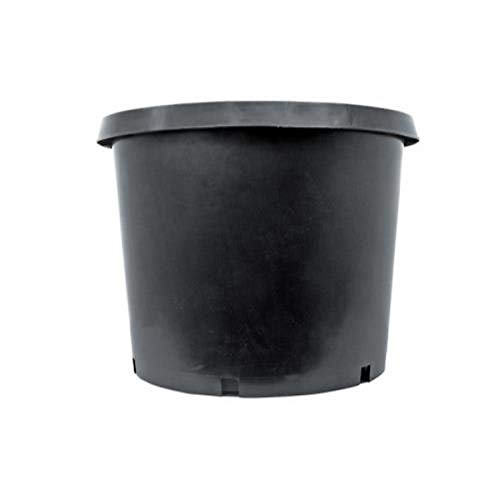
Best for: Professionals needing thick-walled, heavy-duty containers for long-term plantings. The injection-molded, durable black plastic is designed to hold weight and resist cracking as roots mature.
Why selected: Its heavy-duty design supports larger specimens and frequent handling, reducing the risk of breakage during transplanting or seasonal moves.
Caution: Higher weight when filled with soil may require two-person handling for safety during installation or relocation.
Viagrow 15 Gallon Round Nursery Pots (5 Pack)

Best for: Budget-conscious projects where multiple containers are needed without sacrificing basic durability. These HDPE pots are affordable, reusable, and recyclable, making them versatile for various large plantings.
Why selected: Inexpensive and durable, with a raised rim design for easy handling and stacking, along with bottom drainage to support healthy moisture management.
Caution: While long-lasting, HDPE can warp under extreme heat; store out of direct sun when not in use to extend life.
Green Oasis 15 Gallon Nursery Pots (10-Pack)

Best for: Commercial growers and serious containers users who need robust, injection-molded pots designed for outdoor use. The 16-inch top diameter and 17.25-inch height accommodate large trees and shrubs.
Why selected: Thick-wall construction, durable, UV-stabilized, and engineered drainage with an elevated bottom to promote air-pruning and root health.
Caution: Taller pots may be more prone to tipping in windy locations; ensure stable placement or use with weight in the soil base for high-wind areas.
Srehloe 15 Gallon Pots

Best for: Growers who value premium materials and thoughtful drainage. These containers use thick polyethylene and feature side-wall drainage holes designed to avoid rapid water loss while keeping roots well-aerated.
Why selected: High load-bearing capability and durable material support repeated use through seasons or bulk plantings.
Caution: The size and hole design may require careful watering planning to prevent water stress in very hot climates.
Buying Guide: Key Purchase Considerations
- Material durability: Injection-molded plastics tend to be tougher and more crack-resistant, while HDPE can offer excellent longevity at a lower cost. Consider long-term reuse needs.
- Drainage and aeration: Ensure pots have adequate drainage holes and an elevated bottom or air-pruning features to promote healthy root systems and prevent waterlogging.
- Weight and portability: Heavier pots are sturdy but harder to move. Fabric options are lighter, but traditional plastic pots offer sturdier support for mature plants.
- UV stability: Outdoor use benefits from UV-stabilized materials to resist sun damage and fading over time.
- Size fit: Confirm the top diameter and height match your plant’s mature size and available growing space. Large plants need wider tops for adequate root room.
- Cost vs. life cycle: While price matters, factor in how many seasons you expect to reuse the pots and the value of reliable drainage and durability.
- Storage and handling: Smooth surfaces and racks help when stacking or storing unused pots, reducing breakage and clutter.
Frequently Asked Questions
- What is the best 15-gallon pot for trees? Look for thick-walled, UV-stabilized pots with ample drainage and a wide top diameter to support root growth and stability.
- Are fabric 15-gallon grow bags better than plastic pots? Grow bags offer excellent air pruning and drainage, but plastic pots provide more rigid support for heavier plants and easier stacking.
- How many drainage holes should I expect? Multiple holes along the bottom and sides help prevent waterlogging and promote root health; avoid pots with very few drainage points.
- Can I reuse pots after transplanting? Yes, most injection-molded and HDPE pots are designed for repeated use; clean thoroughly between seasons.
- Do larger pots require special storage? Yes, store away from direct heat and heavy items; stackability and protective lids help preserve shape and drainage features.
- What should I consider when choosing a 15-gallon pot? Assess plant type, climate, watering frequency, and whether you prioritize durability, portability, or drainage efficiency.