Best Native Plants Mail Order: Top Picks for Easy, Colorful Gardens
Find reliable native plants you can order by mail that thrive in American gardens. This guide highlights five well-suited options, focusing on species with strong regional appeal, ease of care, and suitability for outdoor and indoor planting. Best for pollinator-friendly yards, small-space patios, and wildlife gardens, these selections help you build a resilient, natural landscape. Each product section explains who it’s best for and why it stands out, plus a practical caution when relevant. A quick buying table follows to compare core details at a glance.
| Product | Type | Best For | Why It Stands Out | Notes |
|---|---|---|---|---|
| Trumpet Honeysuckle Coral Live Plant — Lonicera sempervirens | Vine | Pollinator-friendly yards, trellises, vertical spaces | Bright coral blooms; versatile indoor/outdoor growth | Compact starter size; watch for vigorous growth |
| Snowberry (Symphoricarpos Albus) Bare Root | Shrub | Erosion control, winter interest | White berries and hardy habit; good in sun to shade | Bare-root shipping during dormancy; may need pruning |
| Trumpet Honeysuckle Coral Live Plant — Lonicera sempervirens | Vine | Small gardens, containers, outdoor spaces | Same coral bloom appeal; reliable vine for containers | Multiple listings may vary by lot |
| Park Seed Moon Lagoon Eucalyptus Seeds | Seed Pack | Indoor growing, spring décor | Aromatic, silvery juvenile leaves; container-friendly | Non-native to most regions; manage growth |
| Fruit, Berry and Nut Inventory (4th ed.) | Reference Book | Garden catalog discovery, mail-order options | Comprehensive list of fruiting varieties | Not a live plant; for planning |
Trumpet Honeysuckle Coral Live Plant — Wellspring Gardens

Best for: Gardeners seeking vibrant vertical color and pollinator support. This trumpet honeysuckle delivers lush foliage and coral blossoms, ideal for fences, trellises, or balcony planters. The plant is described as a live vine growing in a compact 3-inch pot, making it suitable for beginners and urban spaces.
Why selected: It combines ornamental appeal with practical growth, offering a reliable bloom highlight for outdoor spaces. The 3–8 inch starter size fits well into small yards and containers while providing coverage as it matures.
Limitation: Availability may vary by shipment; ensure you can provide a structure for the vine to climb.
Trumpet Honeysuckle Coral Live Plant — Wellspring Gardens (Alternate Listing)
Best for: Similar use as the primary honeysuckle listing, especially for patios and outdoor living spaces. This alternate listing underscores the same coral bloom and hardy growth pattern.
Why selected: Provides an additional option for buyers who want to compare listings while preserving the same plant quality profile.
Limitation: Check pot size and shipping timing to match local planting calendars.
Snowberry (Symphoricarpos Albus) Bare Root

Best for: USDA zones 3–7 gardeners wanting a winter-productive shrub for color and erosion control. Bare-root shipping is typical during dormancy, with growth resuming in spring.
Why selected: Snowberry offers ornamental value with white fruit that persists into winter, providing year-round interest. It supports diverse garden palettes and natural landscaping styles.
Limitation: May require pruning after planting to establish shape and size; soil moisture tolerance varies by site.
Park Seed Grow Your Own Eucalyptus Seeds

Best for: Indoor gardeners and container enthusiasts seeking aromatic, decorative foliage. Eucalyptus Moon Lagoon provides silvery-green leaves and a refined silhouette for arrangements.
Why selected: Adds a unique foliage texture and perfume to indoor spaces, with growth that can be managed in containers. Useful for seasonal displays and dried arrangements.
Limitation: Eucalyptus can grow tall and may require regular pruning in confined spaces; not native to most regions.
Fruit, Berry and Nut Inventory (4th Edition)
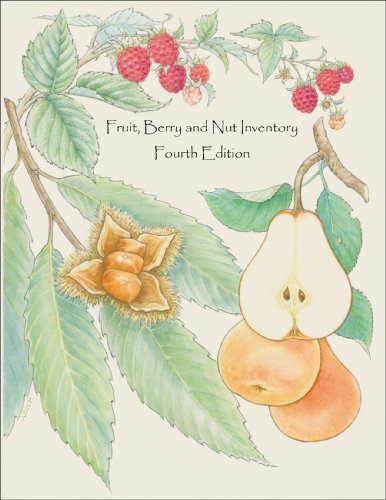
Best for: Garden planners and nursery customers seeking a comprehensive catalog of fruiting varieties available by mail order across the United States. A useful reference for selecting native-leaning fruiting plants and berries.
Why selected: Not a live plant, but a practical planning resource to expand native or regionally suitable options through catalog and seed sources.
Caution: Verify current availability and regional suitability since catalogs may list varieties not suited to your climate.
Buying Guide: Native Plants By Mail — What To Consider
What is your planting goal? If you want wildlife-friendly yards, choose nectar-rich species such as honeysuckles. If you need year-round interest, snowberries provide winter fruit. For indoor decor, select aromatic foliage like eucalyptus with container-friendly habits.
Climate and Hardiness
Match plants to USDA zones and local microclimates. Native plants generally perform best when sourced from regional producers or listings that emphasize zone compatibility.
Growth Habit and Size
Consider the plant’s mature size, growth rate, and whether you need vertical or horizontal coverage. Starter sizes (seedlings, bare roots, or small container plants) can be ideal for tight spaces but may require more care during establishment.
Shipping Timing and Condition
Bare-root shipments arrive in dormancy; container plants arrive active. Plan planting times around local frosts and seasonal soil readiness.
Maintenance Needs
Account for sunlight, water, pruning, and soil type. Some natives tolerate a range of conditions, while others prefer specific moisture or sun exposure.
Availability and Substitutions
Catalog listings may vary by season or region. Check if substitutions are allowed and confirm arrival dates to align with your planting schedule.
FAQ
- What qualifies as a native plant for mail order? Native plants are species that occur naturally in a given region. When ordered by mail, they should be sourced from sellers that indicate regional suitability and grow well in local climates.
- Are bare-root plants suitable for beginners? Yes, but they require careful handling and timely planting. Bare-root stock is often economical and ships dormant, which can reduce shipping stress if planted promptly.
- Can I mix native and non-native plants in one bed? Yes, but prioritize natives for wildlife benefits, resilience, and compatibility with local soils and rainfall. Non-natives can be added for decorative variety if they won’t disrupt local ecosystems.
- How do I choose the right honeysuckle for a small space? Look for compact varieties, support structures for climbing, and container-friendly root systems. Honeysuckles generally require a trellis or fence for optimal growth.
- What should I do after receiving a bare-root shrub? Rehydrate roots, trim back any damaged sections, plant promptly in well-drained soil, and water deeply to establish roots. Mulching helps conserve moisture.
- Are there risks with non-native trees like eucalyptus? Eucalyptus are native to Australia; in many U.S. regions they can become aggressive competitors or require extra maintenance. Choose based on space, climate, and long-term growth plans.