Best Bird Suet Blocks for Year-Round Feeding
People seeking reliable, high-energy options for backyard birds will find these suet blocks and cakes particularly effective. This guide highlights five top products, explains who they’re best for, and shows practical buying considerations. Ideal buyers include backyard bird lovers, feeder setups needing year-round energy, and those seeking easy-to-use, mess-minimizing options for mixed species.
Summary of selected products
| Product | Best For | Key Benefit | Package Size |
|---|---|---|---|
| Heath Outdoor DD4-10 All Season Suet Cakes | All-season feeders | High-energy, colorful songbird attractant | 10 cakes |
| C&S Peanut Butter Delight No Melt Suet Dough | Nut-loving species | No-melt stability up to 100ºF | 8 packs |
| ST. ALBANS BAY SUET PLUS Variety Packs | Variety pack fans | Premium high-energy cakes, melt-resistant | 11 oz per cake, 10 cakes |
| C&S Woodpecker Suet Treat | Woodpecker-focused feeders | High energy with nut fats | 8 packs |
| Wildlife Sciences Suet Plus 6 Pack | General wildlife mix | Convenient multi-cake pack | 6 cakes |
Heath Outdoor Products All Season Suet Cakes
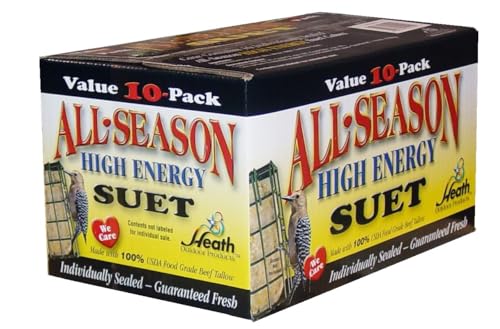
Best for all-season feeding. Heath Outdoor Products DD4-10 features a Bird’s Blend flavor designed to attract a variety of songbirds. This package includes a case of 10 suet cakes, making it practical for households with multiple feeders or high-traffic yards. The high-energy formulation supports year-round foraging and migration periods.
Who it’s best for: feeders that want a ready-to-use, repeatable supply of suet cakes with broad appeal. Suitable for mixed-species yards where color and energy matter. Caution: may melt in extreme heat if left exposed without shelter.
C&S Peanut Butter Delight No Melt Suet Dough
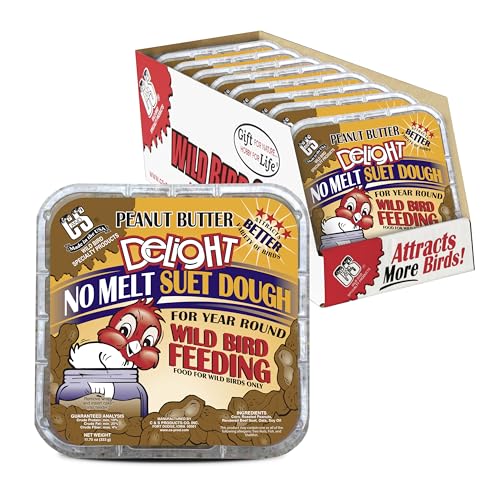
Best for nut-eating birds and heat tolerance. This no-melt suet dough is made with roasted peanuts and stays solid up to 100ºF, making it ideal for warm climates or hot days. It attracts wrens, woodpeckers, cardinals, songbirds, jays, and more, and it’s versatile enough to mix with seed.
Who it’s best for: households dealing with warmer weather or those who want a stable, mess-free option that appeals to nut-preferring species. Limitation: no-melt texture may be too soft for some feeders during peak heat unless kept shaded.
ST. ALBANS BAY SUET PLUS Variety Packs

Best for premium energy and easy handling. These 11 oz suet cakes come in a melt-resistant formula with easy-open, no-mess packaging. The variety pack option provides a range of flavors while maintaining high-quality energy content.
Who it’s best for: feeders seeking a robust, melt-resistant option with simple storage and handling. Caution: packaging is recyclable but may require proper disposal in some areas.
C&S Woodpecker Suet Treat
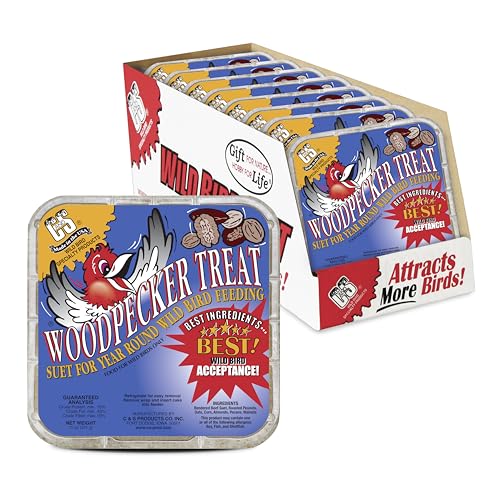
Best for woodpeckers and flickers. This 8-pack of suet treats targets woodpecker species and other nut-loving birds that crave fat-rich energy. It’s economical and easy to use with wire feeders, delivering reliable high-energy nutrition year-round.
Limitation: best performance with a sturdy feeder; some birds may prefer other textures in warmer weather. Choose this if your yard hosts multiple woodpecker species.
Wildlife Sciences Suet Plus 6 Pack
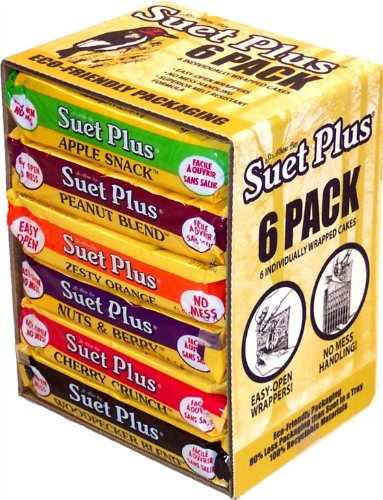
Best for a straightforward multi-cake option. Wildlife Sciences Suet Plus offers a compact, convenient six-cake package designed for general wildlife feeding. It provides a simple solution for households that want to stock a standard, versatile suet product without specialized flavoring.
Note: one cake may be wrapped in clear film; verify packaging if you require fully visible presentation for display feeders.
Buying Guide
What to consider when choosing suet blocks
- Climate and melt resistance: Look for “no melt” or melt-resistant formulas if you live in hot climates or use uncovered feeders.
- Bird species in your yard: Choose peanut-heavy or nut-rich options for woodpeckers and nut-eaters, and dough-style recipes for softer textures preferred by wrens and small songbirds.
- Feeder compatibility: Ensure the suet cakes fit your feeders’ capacity and mounting style (wire feeders, frame feeders, or single-screw holds).
- Packaging and storage: Consider easy-open packaging for convenience and packaging that minimizes mess when stored in warm weather.
- Health and cleanup: No-melt doughs reduce mess, while solid cakes may require more scraping at feeding stations. Plan for easy cleanup and minimal residue.
How to use suet blocks effectively
- Place suet blocks in shaded areas or feeders with some protection from direct sun to maintain texture longer.
- Rotate flavors to attract a broader range of species and avoid over-reliance on a single bird type.
- Combine suet with seed mixes for mixed-species attractants, especially in early spring and late fall when birds are foraging for energy.
Maintenance tips for year-round feeding
- Regularly check feeders for dried residue and clean to reduce mold or pests.
- Store extra suet blocks in a cool, dry place to preserve freshness and prevent melting during transport.
- Monitor bird activity to identify preferred textures and flavors, adjusting your selection accordingly.
FAQ
- What is the benefit of no-melt suet? It maintains texture in warmer weather, reducing mess and waste.
- Which birds are most attracted to suet blocks? Nut-eaters (nuthatches, jays, chickadees), woodpeckers, wrens, and cardinals often show strong interest.
- Should I mix suet with seed? Yes, mixing can attract a broader range of species and provide varied energy sources.
- How long do suet blocks last once placed? It depends on weather and bird activity, but melt-resistant formulas help extend feeding time in heat.
- Are suet blocks safe for children to observe? Yes, suet feeding stations can be educational, but supervise children during birdwatching.