Best Food Plot Seeds for Whitetail Deer: Top Picks for Year-Round Attractants
Discover the best food plot seeds for whitetail deer that balance rapid growth, drought tolerance, and season-long attraction. This guide highlights five top options, detailing who they’re best for and why they stand out. Use these selections to create reliable deer forage in spring, fall, and winter, whether you hunt, wildlife manage, or simply want healthier, more frequent deer visits. Each choice emphasizes practical benefits, clear planting notes, and realistic limitations to help you choose confidently for your property and climate.
Summary of selected products:
| Product | Best For | Key Benefit |
|---|---|---|
| Whitetail Institute Imperial Clover Deer Food Plot Seed | Small to medium plots; cold/heat tolerance | Antler-building protein; drought-tolerant |
| EVOLVED HARVEST Throw & Gro No-Till Forage | Zero-till plots; quick establishment | Fast-growing mix with protein & minerals |
| Domain Outdoor Hot Chic Food Plot Seeds for Deer | Medium plots; pH-tolerant soils | PH-tolerant perennials; long-lasting |
| Whitetail Institute Beets & Greens | Fall to winter forage | Sugar beets, kale, turnip, radish blend |
| Shady Patch 5 lb Bag | No-till, shady spots | All-season forage mix; easy for hidden plots |
Whitetail Institute Imperial Clover Deer Food Plot Seed for Spring or Fall Planting

Best for hunters and wildlife managers who want reliable clover-dominated plots in both cool and warm seasons. This Imperial Clover seed is rich in ANTLER-BUILDING protein and supports heavier fawns and milk production in does. It’s highly cold-tolerant while also resisting heat and drought. Choose this for small to medium plots where clover is the core forage and you need robust establishment in variable weather. Caution: clover performance can slow on poor soils without proper preparation.
EVOLVED HARVEST Throw & Gro No-Till Forage for Deer

This no-till mix is designed for quick, zero-disk planting. It blends tetraploid ryegrass, forage clovers, and brassicas to produce a fast, nutritious forage source. Best for personal plots or tight spaces where equipment is limited. It’s ideal for establishing a deer-friendly plot without heavy soil disturbance. Limitation: results depend on moisture; no-till can struggle in extremely dry sites without irrigation.
Domain Outdoor Hot Chic Food Plot Seeds for Deer, Chicory
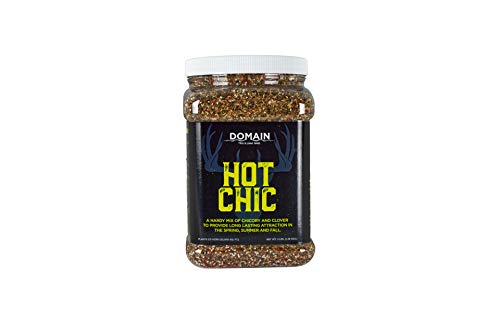
Best for soil with variable acidity and for long-term plots. This chicory-based mix includes two clover varieties and hardy perennials with pH tolerance, making it suitable for spring or fall planting. It can endure less-than-ideal soils and remains productive across multiple years. Caution: chicory-heavy mixes may require grazing management to preserve balance and avoid overbrowsing small plots.
Whitetail Institute Beets & Greens Deer Food Plot Seed

Best for fall and winter forage that holds deer through colder months. This blend features sugar beets, kale, turnip, and radish to provide a steady attraction after autumn greens fade. The combination supports deer through late season with high palatability. Limitation: some components may perform best with cooler temperatures and consistent moisture, so plan irrigation if needed.
Shady Patch | All Year Deer Feeder

This 5 lb bag is a no-till option designed for shady spots with minimal sunlight. It blends forage brassica, rye, white clover, and rape to create an all-season deer feeder. Best for hidden, lower-light plots where you want consistent forage. Caution: success depends on establishing good seed-to-soil contact in shade, which can be challenging in dense canopies.
Whitetail Institute Imperial Clover (Spring and Fall Planting) – 4-Pound

Best for larger plots needing a robust clover foundation with strong winter tolerance. It’s packed with ANTLER-BUILDING protein to support deer health and fawn production. Cold and heat tolerance adds flexibility for varied climates. Avoid large application on poor soils without preparation, as clover establishment benefits from a well-prepared seedbed.
Whitetail Institute Secret Spot Deer Food Plot Seed

Best for small, remote plots requiring minimal ground work. This annual forage blend combines 12 forages to maximize attraction across hunting seasons. It includes a soil pH booster to help growth in slightly acidic soils. Limitations: small plot focus may require careful rotation to maintain long-term soil health.
Whitetail Institute Ravish Radish Deer Food Plot Seed

Best for fall to late-winter forage with quick establishment. Ravish Radish uses new radish varieties designed to attract deer early fall and provide tubers through winter. It establishes quickly in late summer and adds a distinctive, attractive forage. Limitation: radish-heavy mixes may require grazing management to prevent over-browsing in tight spaces.
Buying Guide
What plot size is best for each seed mix? Larger plots benefit from blends with perennials and long-lasting forage; small plots work well with no-till or shady-site mixes.
How important is soil pH and amendment? Several mixes tolerate acidity, but soil testing and a targeted amendment plan improve germination and long-term yield.
What climate and season should you target? For year-round attraction, combine fall-wall season beets/beets & greens with spring clover and no-till mixes to ensure consistent forage availability.
How should you prepare the site? No-till options reduce disturbance. Some mixes require a light seedbed; others thrive with simple overseeding in existing turf or pasture.
Grazing management matters. Certain blends are more attractive to deer, but overgrazing can reduce plant diversity. Plan rotations and seed diversity to sustain high-quality forage.
What about maintenance and irrigation? Dry sites with no-till formats may benefit from occasional irrigation or moisture-conserving mulches to maximize germination and persistence.
FAQ
- What is the best seed for year-round deer forage? A mix including clover, brassicas, and beets/beets & greens often provides long-season attraction and nutritional diversity.
- Do these seeds require special equipment? No-till and shade-tolerant blends reduce equipment needs and soil disturbance.
- Can I plant these seeds in spring and fall? Yes, many blends are designed for spring and fall planting, with some offering year-round appeal.
- How long does it take for forage to appear? Most blends begin germinating within 7–21 days under proper moisture and temperature.
- Are there soil amendments I should apply? Soil pH and nutrient balance influence germination and growth; soil tests help tailor amendments.
- Can I mix several blends on one property? Yes, but stagger planting to balance seasonal forage and avoid competition among seeds.