Best Soil Quality Test Kit for Home Gardens
Answering the need for quick, reliable soil insights, this guide highlights the best soil quality test kits for American gardeners. Each product is chosen for clarity, accuracy, and value for specific buyer types—from DIY enthusiasts to professional planners. The top picks help determine pH, nutrient levels, and fertilizer needs, enabling smarter planting decisions and healthier landscapes. Use the contained tests to sample multiple spots in your lawn, garden beds, or pots to map variability and tailor amendments.
Summary table of selected products
| Product | Best For | Notes |
|---|---|---|
| Rapitest Soil Test Kit (Luster Leaf) | Budget testing for home gardens | Color comparison, 20 tests |
| MySoil Soil Test Kit | Detailed, lab-like guidance | 13 nutrient levels, fast results |
| Soil Test Kit 140 Tests (Dewilde) | Comprehensive at-home fertility | All major nutrients, ammonia included |
| Soil Test Kit 4 Parameters (NewTest Labs) | Professional-grade at-home kit | 40 tests, four nutrients |
| LaMotte El Turf & Garden Kit | Education and thorough analysis | Extensive pH and nutrient tests |
Rapitest Soil Test Kit for Gardens
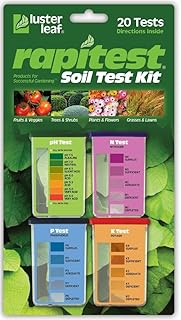
The Rapitest kit is a practical choice for homeowners who want quick at-home results. It measures soil pH and key nutrients—nitrogen, phosphorus, and potash—using a capsule system and color comparators. The package covers 20 tests, with five tests dedicated to each parameter. This setup supports testing multiple spots across a yard or garden to identify variability and guide amendments. Best for first-time testers or those on a tighter budget who still want reliable color-based results.
Why chosen: It provides an easy, inexpensive entry into soil testing with clear color indicators. The concise scope helps avoid information overload for casual gardeners. A potential limitation is that results are approximate and best used for general guidance rather than precise fertilizer dosing.
Best for: Beginners, small gardens, quick checks before planting or feeding schedules. Avoid if you need lab-like precision or comprehensive nutrient profiling.
MySoil Soil Test Kit
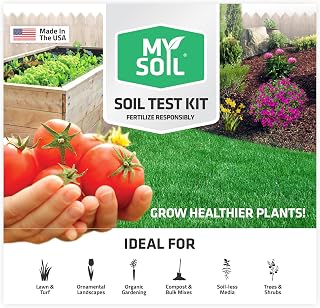
The MySoil kit emphasizes a professional-grade approach with a lab-like analysis. It tests 13 plant-available nutrient levels—plus pH—providing actionable recommendations tailored to your soil and plant needs. This kit is best for gardeners seeking detailed guidance on feeding programs and soil health, including lawn care, vegetable gardens, and container plants. Results typically reflect a processed analysis timeline, offering more precise nutrient management strategies than basic home kits.
Why chosen: It bridges at-home testing with professional insight, helping users plan fertilization more accurately. A caveat is that results are delivered after a short processing window, so the action steps depend on lab-style turnaround time rather than instant feedback.
Best for: Serious hobbyists, vegetable gardeners, lawns with ongoing nutrient concerns. Choose this if you want robust recommendations rather than quick approximations.
Soil Test Kit 140 Tests (Dewilde)

This 140-test kit provides a comprehensive soil analysis, including pH, ammonia, nitrogen, phosphorus, potassium, and other metrics. It’s designed to deliver a holistic view of soil fertility and health in a single kit. The user benefits from data to guide precise fertilizer applications and prevent over-fertilization. It’s suitable for lawns, gardens, ornamentals, and hydroponic systems where a broad nutrient profile helps optimize growth.
Why chosen: Its broad parameter set supports confident decisions about nutrient management. Limitation: the sheer number of tests can be more than needed for small plots, and interpretation may require careful reading of instructions to avoid misreads.
Best for: Gardeners and landscape managers who want a thorough baseline before a fertilization plan. Choose this if you need a wide scope of nutrients in one package.
Soil Test Kit 4 Parameters (NewTest Labs)
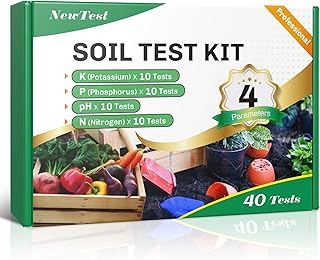
The NewTest Labs kit positions itself as a professional-grade option for at-home use. It includes 40 tests—ten for each parameter: pH, nitrogen, phosphorus, and potassium. It emphasizes clear, step-by-step instructions to help beginners test accurately. This kit is best for gardeners who want a strong, repeatable testing routine and who prefer a compact, all-in-one solution for ongoing soil monitoring.
Why chosen: The four-parameter focus helps avoid watering down data with extraneous metrics while still providing enough detail to tailor fertility programs. Limitation: the need to follow instructions closely to achieve consistent results across multiple tests.
Best for: Serious hobbyists and regular testers who value consistency and a structured testing process. Choose this if you want a reliable, repeatable four-nutrient profile.
LaMotte El Turf and Garden Kit

The LaMotte El kit targets education and thorough soil analysis. It measures nitrogen, phosphorus, potassium, and pH with multiple tests for each parameter and includes supporting manuals and color charts. The kit is well-suited for classroom use, community gardens, and serious home projects where a detailed interpretation framework is helpful. It also includes guidance materials to interpret results and make lime or fertilizer recommendations based on findings.
Why chosen: Its educational focus and extensive test options make it a strong pick for people who want to learn soil science while testing. Limitation: it might be more than what a casual gardener needs, and the setup can be more complex than other entry-level kits.
Best for: Educators, serious hobbyists, and community garden operators. Choose this if you want a comprehensive, instruction-rich kit with robust interpretive resources.
Buying Guide
What should I consider before buying a soil test kit?
- Testing scope: Do you need a basic pH and nutrient check or a full nutrient profile? Choose a kit that matches your planting goals—vegetables, lawns, or ornamentals.
- Result type: Do you prefer colorimetric at-home results or lab-like analyses? Lab-like kits are more precise but may require longer turnaround times.
- Number of tests: Larger plots in bigger yards may require more tests per kit to map variability. For small pots, fewer tests often suffice.
- Ease of use: Beginners benefit from step-by-step instructions and clear interpretation guides. More advanced gardeners may want deeper data and recommendations.
- Turnaround time: Some kits deliver instant results; others rely on mail-in or processing times. Plan around your planting schedule and seasonal needs.
- Interpretation support: Look for kits that provide actionable fertilizer recommendations aligned with local soil conditions and plant types.
Frequently Asked Questions
- What is the best soil test kit for beginners? Answer: A kit with simple color indicators and a straightforward interpretation guide is ideal for beginners, such as kits designed for quick at-home results.
- How often should I test my soil? Answer: For most home gardens, testing once per growing season is a good baseline, with additional tests if you observe plant stress or soil changes.
- Do soil test kits replace professional lab testing? Answer: They provide practical guidance for day-to-day gardening, but for high-precision nutrient management or significant crop production, laboratory analysis can be more accurate.
- Can I test hydroponic systems with these kits? Answer: Some kits include parameters relevant to soil but may not cover hydroponic media thoroughly. Look for kits that explicitly support hydroponics if applicable.
- What should I do after getting test results? Answer: Use the nutrient and pH data to adjust liming, fertilization, and irrigation practices according to the recommendations included with the kit or based on local gardening guidelines.
- Are there environmental considerations when testing? Answer: Yes. Avoid over-fertilization and follow guidelines to reduce runoff. Select fertilizers that meet plant needs without excess.