Best 1 Inch Poultry Netting for Garden Fences and Poultry Protection
The right 1 inch poultry netting keeps poultry contained, protects crops, and deters small animals while still allowing airflow and light. This guide matches common buyers—gardeners protecting fruit trees, poultry keepers building runs, and small-farm owners needing reliable fencing—to five top 1 inch mesh options. Each entry includes who it’s best for, why it was selected, and a practical limitation to consider.
Summary table of selected products
| Product | Size / Mesh | Best For | Why It Stands Out |
|---|---|---|---|
| YARDGARD 1 Inch Poultry Netting | 24 in x 150 ft; 1″ mesh | Large runs and garden protection | Heavy-duty 20-gauge galvanized steel with rust-resistant coating |
| Junkogo Bird Netting 25×50 Ft | 25×50 ft; 1″ mesh | Plants, fruit trees, and garden beds | Strong woven mesh with high weight and UV/corrosion resistance |
| BSTPCOO Nylon 1″ Mesh Netting 25×25 | 25×25 ft; 1″ mesh | Fruit trees and small gardens | Nylon, UV-proof, reusable, wildlife-friendly |
| Threekia Heavy Duty Bird Netting | 50×50 ft; 1″ mesh | Chicken coops and gardens | HDPE with UV stabilizers; long-term durability |
| POYEE 50x100ft Bird Netting | 50×100 ft; 1″ mesh | Large garden plots and chicken runs | All-season netting with strong weave and wide coverage |
YARDGARD 1 Inch Poultry Netting – 24 Inches by 150 Feet
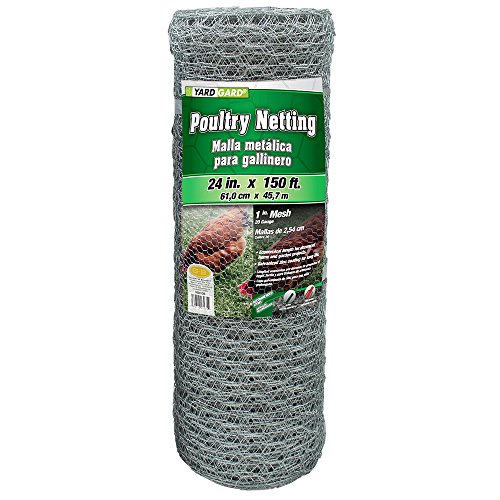
Best for large poultry runs and garden protection. This 20-gauge galvanized steel netting provides sturdy containment for chickens, rabbits, and other small animals while maintaining airflow. The rust-resistant coating increases longevity in outdoor settings. Consider this if you need robust, long-term fencing for bigger plots or farm use. Caution: heavier gauge wire may require careful handling during installation to avoid kinks.
Junkogo Bird Netting 25×50 Ft, 1 in Mesh
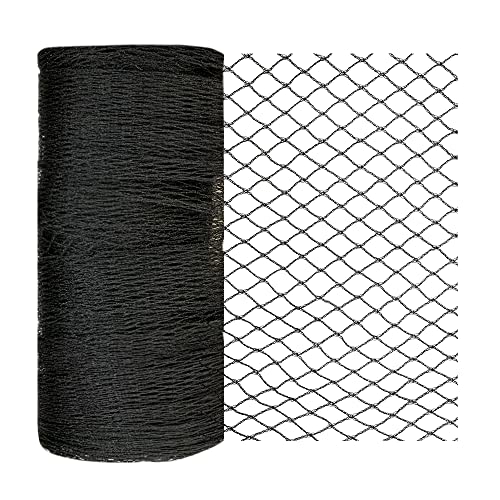
Best for protecting plants, fruit trees, and vegetables. It is a heavy-duty woven net designed to resist tearing and to endure UV exposure, with enough mesh size to deter many birds and small mammals. Choose this when you want strong, reusable protection that still allows water and sunlight. Limitation: its size is more suited to mid-sized beds or tree rows rather than a single small coop run.
BSTPCOO Nylon 1″ Mesh Netting 25×25

Best for fruit trees and delicate gardens. This nylon netting is UV-proof, lightweight, and highly reusable, making it ideal for seasonal use across multiple crops. It offers wildlife-friendly protection without harming birds or plant growth. Caution: Nylon nets can be susceptible to snagging if stored improperly, so handle with care during setup and takedown.
Threekia Heavy Duty Bird Netting – 50×50 Ft

Best for chicken coops and garden protection where durability matters. Made from high-strength HDPE with UV stabilizers, it resists weather and wear for years of use. It’s suitable for hawk or small predator deterrence while maintaining light and airflow. Limitation: 0.8mm fiber thickness means very sharp handling edges—wear gloves during installation.
POYEE Bird Netting – 50×100 Ft

Best for large garden plots and expansive chicken runs. The 1-inch mesh provides reliable protection against birds and small mammals while still allowing sun and rain to reach plants. A practical choice for homeowners with large crop areas. Caution: Very large nets require ample storage space when not in use to prevent tangling.
Buying Guide
Key purchase considerations help match the right netting to your site and animals. Compare material, mesh size, durability, and coverage needs.
What material should I choose?
Metal nets (galvanized steel) offer superior strength for larger runs and deer-proof areas but can be heavier. Nylon or HDPE nets are lighter, UV-stable, and reusable, ideal for fruit trees or seasonal protection. Choose based on how often you’ll set up and remove the netting.
How big should the mesh be?
A 1 inch mesh blocks most birds and small mammals while maintaining airflow. Larger pests may still reach through with 1 inch; for hawk protection in open areas, combine with other deterrents. Assess your target pests and plant tolerance for ventilation.
What about durability and weather resistance?
Galvanized steel resists rust in outdoor conditions and lasts longer in farm environments, but can corrode over many years if coatings wear. HDPE and nylon options offer good UV stability and flexibility, often with multi-season reuse in milder climates.
How much area needs fencing?
Determine total coverage needed: width by length, plus extra for overlaps and stakes. Larger plots (like 50×100 ft nets) reduce installation time but require more storage when not in use. For smaller coops, 25×25 ft options may suffice.
Are there any installation considerations?
Loose nets can sag or tangle. Use posts or stakes for support, and wear gloves to protect hands when handling netting edges. For uneven terrain, flexible wire options may be easier to shape around beds and pens.
Environmental and wildlife considerations
Opt for wildlife-friendly nets that don’t trap animals. Nets that allow sunlight and rain through help maintain healthy plant growth while still offering protection. Consider local wildlife and pest pressure when choosing heavier or lighter materials.
Maintenance tips
Routinely inspect for wear, tears, or rust. Patch small holes promptly to prevent larger breaches. Store rolled or flat in a dry place to extend life. Cleaning with mild soap can help remove dirt and residues that attract pests.
FAQ
- What does 1 inch mesh mean for my birds? It blocks most birds and small mammals while preserving airflow and light, which helps plant growth.
- Is nylon or HDPE better than metal for garden use? Nylon/HDPE nets are lighter and reusable, ideal for seasonal protection, while metal nets are sturdier for larger runs.
- Can I cut nets to fit irregular shapes? Yes, most nets can be easily cut to size without losing strength.
- Will nets keep hawks away? Nets provide a barrier but may need additional deterrents in open habitats; choose larger coverage in hawk-prone areas.
- How should I store netting during off-season? Keep nets rolled or flat in a dry, cool place to avoid tangling and material degradation.
- Are these nets safe for plants? Yes, the mesh allows water and sunlight to reach plants while keeping pests out.