Best 4 X 8 Trellis Solutions for Vertical Gardening and Climbing Plants
Looking for a four-by-eight trellis to support vines, vegetables, and flowering climbers? This guide highlights practical 4 x 8 options and closely related sizes that maximize space, improve air circulation, and simplify maintenance. The top picks cater to different setups—from fixed frames to expandable lattice and grow-tent accessories—so you can choose the best fit for balconies, raised beds, or garden beds. Each product is evaluated for who it’s best for and why it’s a strong choice within its category.
Quick comparison table of selected products:
| Product | Best For | Notes |
|---|---|---|
| Hydrofarm HGN84 Flexible Polyethylene, 4 x 8′, 6″ Mesh Trellis Netting | Tight spaces and flexible framing | 6″ mesh, 4×8 feet |
| AC Infinity Grow Tent Trellis Netting 4×4′ | Grow tents needing heavy-duty support | Elastic cords, steel hooks |
| YEESTONE SCROG 4×4 Trellis Net | Small to medium plants in tents | 4×4 mesh, heavy duty |
| Expandable Willow Lattice Fence Panel 36×92 Inch | Outdoor climbers, decorative fencing | Expandable willow, real wood |
| LANDGARDEN Expandable Garden Trellis 22×120 Inch | Rugged expandable support | Willow, easy to expand |
Hydrofarm HGN84 Flexible Polyethylene Netting

Best for tight spaces where a fixed frame isn’t practical. This 4 x 8-foot netting uses a 6″ mesh to support broad plant canopies while providing airflow between stems. The high-density polyethylene construction makes it durable for long-term use. Suitable for climbing vegetables and tall annual vines in small beds or balcony planters.
Who it’s for: growers needing a lightweight, flexible trellis that can drape or wrap around structures. Why chosen: offers a larger 4×8 footprint with visible mesh spacing ideal for air movement and pruning access. Limitation: not a rigid panel—requires support to stay taut or be anchored to a frame.
YEESTONE 4×4 Trellis Net with 8 Hooks

This two-pack 4×4-foot trellis net is designed for grow tents and heavy climbing plants, offering strong nylon construction and multiple attachment points. While not 4×8, it’s a solid option for scalable vertical growth in smaller tents or raised beds where a wider panel isn’t required.
Best for: growers in tents or compact beds who need a reliable, heavy-duty net. Why selected: robust mesh supports, easy installation, and compatibility with common grow tent frames. Caution: two nets in a package—buy additional if you need more coverage for larger setups.
GLANT Lattice Willow Expandable Trellis Fence
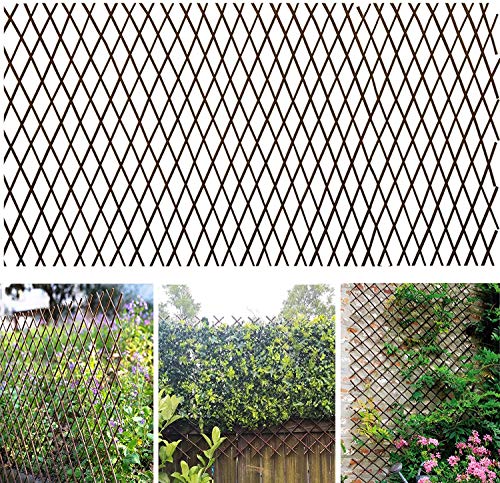
This expandable willow trellis is a natural option that can be stretched from compact to full-frame width. It’s ideal for climbers like vines, cucumbers, and flowering plants that benefit from a softer, organic support. Fully expanded size reaches a wide footprint, making it versatile for fences, borders, or garden dividers.
Best for: decorative or rustic garden aesthetics where natural materials are preferred. Why selected: easy to install, flexible length, and can double as a privacy or boundary feature. Limitation: natural wood requires occasional maintenance to prevent weathering.
AC Infinity Grow Tent Trellis Netting 4×4

This 4×4-foot trellis net is designed for grow tents, focusing on improved lateral growth and sturdy support for heavy yields. Elastic cords and high-quality polyester give a balance of flexibility and resilience. It’s best for indoor setups where tent walls and frames dictate placement.
Best for: indoor growers who want a durable, easy-to-install net within a tent. Why selected: targeted design for grow tents, strong enough for fruiting branches. Limitation: not a full 4×8 footprint, so use where dimensions permit.
Expandable Willow Garden Trellis 36×92 Inch

Designed for sprawling climbers, this expandable willow lattice can stretch from a compact to a long length, making it suitable for multiple rows of vines or as a room divider in a garden. It combines natural materials with practical expansion to fit various garden layouts.
Best for: outdoor climbers that need a flexible width without a rigid frame. Why selected: easy to author your own shape, natural aesthetic. Limitation: exposure to weather—wood may weather with time and require care.
Buying Guide: Key Considerations For 4 x 8 Trellis Purchases
- Material durability: Choose polyethylene or nylon nets for lightweight, weather-resistant performance, or willow for natural aesthetics with proper maintenance.
- Fixed vs. expandable: Fixed panels offer rigidity; expandable lattices provide flexible sizing for uneven spaces or growing patterns.
- Mesh size and spacing: Smaller mesh (e.g., 4×4″) is better for preventing fruit damage and guiding smaller stems; larger mesh supports bigger growth but may require sturdier framing.
- Mounting method: Look for nets with corner grommets, hooks, or included ties to simplify installation on beds, frames, or fences.
- Indoor vs. outdoor: Indoor grow tents benefit from 4×4 or 4×8 nets designed for tents; outdoor setups may favor weather-resistant wood or coated steel.
- Weight capacity: Heavier climbing plants require stronger, reinforced nets or supportive frames to avoid sagging or tearing.
Frequently Asked Questions
- What is the difference between 4×8 and 4×4 trellises?
A: A 4×8 trellis provides a longer, wider growing area, ideal for longer vines and wider bed layouts; a 4×4 is best for compact spaces or tent setups. - Can I use a 4×8 trellis with existing garden fencing?
A: Yes, you can attach a 4×8 netting to a fence or frame, provided you secure it at multiple points to prevent sagging. - Are expandable trellises easier to install than fixed panels?
A: Expandable trellises offer flexibility for irregular spaces; fixed panels provide more rigidity and reliability when space is well-defined. - What plants benefit most from trellises?
A: Cucumbers, tomatoes, beans, peas, squash, vine flowers, and climbers typically benefit from vertical support for air flow and fruiting. - Is willow trellis durable outdoors?
A: Willow trellises are visually appealing and affordable but require maintenance to prevent weathering; consider sealant or replacement over time. - Do trellises need to be anchored to a frame?
A: For stability, especially in windy areas or with heavy fruit, secure the trellis to a frame, wall, or sturdy posts.