Best 5-Tine Hand Cultivator Picks for Easy Garden Weeding and Aeration
Answer: A 5-tine hand cultivator is ideal for small to medium gardens where you need to loosen soil, weed around plants, and improve aeration without heavy machinery. The top picks below are best for raised beds, borders, and container gardens, with ergonomic handles and durable tines to reduce fatigue. Choose according to soil type, handle comfort, and rust resistance.
Summary of selected products:
| Product | Brand | Why Chosen | Best For |
|---|---|---|---|
| Kemaier Hand Rake and Weeder Cultivator | Kemaier | Heavy-duty stainless steel with five tines; hand-welded durability | Hard soils, weeding, small garden plots |
| 15″ Gardeners Claw Rake | TOYPOPOR | Military-grade steel, longer handle for leverage | Deep cultivation, larger hands |
| Garden Guru Hand Rake Cultivator Claw | Garden Guru Lawn & Garden Tools | Ergonomic wooden handle; five large tines | Heavy clay soils, delicate beds |
| Garden Guru Hand Rake Cultivator with Ergonomic Handle | Garden Guru Lawn & Garden Tools | Rust-resistant steel; comfortable grip | General use, mixed soils |
| DeWit 5-Tine Hand Cultivator | DeWit | Tempered boron steel; compact 11” tool | Tight spaces, raised beds |
Kemaier Hand Rake And Weeder Cultivator — 5 Claw

The Kemaier Cultivator features five sturdy stainless steel tines with close spacing for removing smaller stones during soil prep. It is hand-welded for durability, offering reliable performance in compact plots. Best for gardeners who need a compact tool with strong construction for hard soils and frequent weeding. Caution: stainless steel resists rust, but prolonged exposure to moisture should be dried after use to preserve longevity.
Who it’s best for: Hand-on gardeners who work in small or mixed soils and want a durable, easy-to-clean hand rake. Why selected: Combines durability with precise tines for thorough soil preparation.
15″ Gardeners Claw Rake

With five tines and a long wooden handle, this TOYPOPOR rake provides leverage for deeper cultivation and better soil breakdown. Its military-grade steel and wood construction promote durability and weather resistance. Best for gardeners needing more reach and robust material. Caution: heavier when compared to shorter tools, which may affect maneuverability in tight spaces.
Who it’s best for: Taller or strength-focused gardeners who value leverage and build quality. Why selected: The longer handle and steel-wood mix improve digging power in tougher soils.
Garden Guru Hand Rake Cultivator Claw Soil Tiller
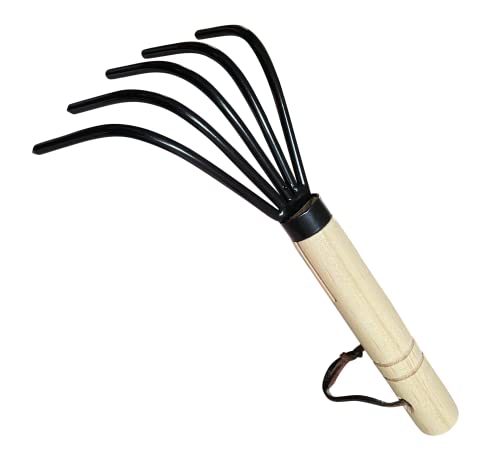
Garden Guru’s model uses five large steel tines and a comfortable wood handle. Its design supports turning and loosening soil, making it versatile for aeration around beds and borders. Best for heavy soils and raised beds where a sturdy hand tool is needed. Caution: wood handle should be kept dry and periodically treated to extend life.
Who it’s best for: Gardeners who need a reliable, all-purpose cultivator with a traditional feel. Why selected: Five-tine layout supports efficient soil pulverizing and weed removal in one pass.
Garden Guru Hand Rake Cultivator with Ergonomic Handle
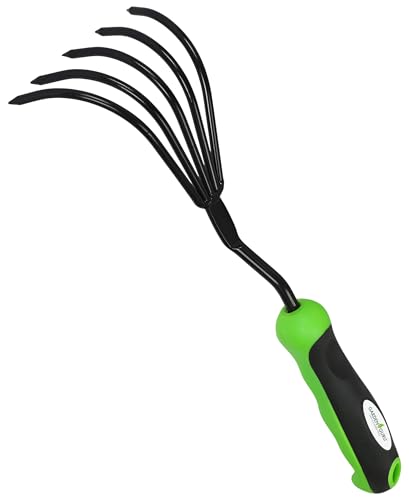
This Garden Guru cultivator emphasizes an ergonomic grip and five-tine construction for easy handling and reduced palm fatigue. It is rust-resistant and suited for ongoing use in mixed soils. Best for gardeners who value comfort during longer sessions. Caution: ensure tines remain sharp for efficient weeding and aeration.
Who it’s best for: Gardeners seeking a balance of comfort and performance. Why selected: Ergonomic design supports extended use while delivering solid soil conditioning.
DeWit 5-Tine Hand Cultivator
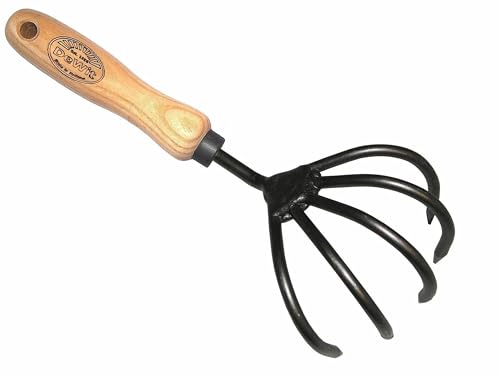
The DeWit tool is crafted from tempered boron steel with an ash hardwood handle, designed for tight spaces like raised beds and containers. Five sturdy tines aerate, loosen soil, and assist in weed removal. Best for gardeners who need a compact tool with long-lasting edge maintenance. Caution: wood handle may require drying after wet use to prevent swelling.
Who it’s best for: This is ideal for precision work in small plots and containers. Why selected: Boron steel construction offers durability and edge retention in demanding tasks.
Buying Guide: How to Choose The Right 5-Tine Hand Cultivator
What soil type are you tackling? Softer loams respond well to lighter, shorter-handled models, while compacted clay or rocky soils benefit from heavier, robust tines and stronger handles.
Should you prioritize material? Stainless steel resists rust and is easy to clean, but carbon steel may offer greater edge retention in demanding tasks. Wood handles provide comfort; plastic or fiberglass handles offer durability and lighter weight.
What about handle design? An ergonomic grip reduces hand fatigue during longer sessions. A longer handle increases leverage but may hinder use in tight spaces. Look for double rivets or reinforced joints for stability.
How to assess durability? Hand-welded joints, tempered steel, and boron steel tines indicate long-lasting performance. Check for rust resistance and tines that stay sharp with minimal maintenance.
Which features matter for your garden layout? For raised beds and borders, a compact 11” tool can be ideal, while a longer reach is beneficial for wider beds or container edges. Balance weight with control to match your strength and work style.
FAQ
- What is the main benefit of a 5-tine cultivator? It loosens soil, aerates, and helps weed removal in a single tool, especially in tight garden spaces.
- Is a wooden handle better than metal? Wooden handles offer comfort and a traditional feel, while metal handles are typically stronger and more durable in wet conditions.
- Can these tools be used for raised beds? Yes. Tools like the DeWit 11” cultivator are designed for tight spaces, borders, and containers.
- Should I choose rust-resistant steel? Rust resistance extends tool life in humid climates; stainless or coated steel is a practical choice.
- How do I maintain the tines? Clean after use, dry thoroughly, and occasionally oil metal parts to preserve sharpness and prevent rust.
- Are longer-handled cultivators easier to use? Longer handles provide leverage and reduce bending, but may be less maneuverable in tight spots.