Best Above Ground Box Garden Solutions for Easy Outdoor Growing
Answering the search for practical, durable above ground box garden options, this guide highlights five reliable raised garden beds. Each pick suits different spaces and planting goals—from lightweight setups for balconies to sturdy, large-planter beds for backyards. Best for urban balconies, flexible setups, or growing vegetables and flowers with minimal bending.
| Product | Approx. Capacity | Material Type | Ideal Setup |
|---|---|---|---|
| DIIYIV 2PCS Galvanized Raised Garden Bed with Legs | 300 lb | Galvanized Steel | Balcony, Patio, or Backyard |
| Best Choice Products 72x24x30in Raised Garden Bed | 300 lb | All-Wood (Chinese Fir) | Backyard or Patio with Divider |
| Land Guard Galvanized Raised Garden Bed Kit | Unknown | Galvanized Steel | Larger Veg & Flower Beds |
| Best Choice Products 48x24x30in Raised Garden Bed | 200 lb | All-Wood (Chinese Fir) | Medium-Sized Planting Beds |
| zunatu 10x2x1ft (2 Pack) Galvanized Raised Garden Bed | Unknown | Galvanized Steel | Flexible, modular planting |
DIIYIV Galvanized Raised Garden Bed with Legs

Best for: compact spaces needing a sturdy, elevated soil bed. The two-piece galvanized design fits patios or balconies, with a 300 lb capacity and padded corners for safety. Choose this if you want a durable metal option that stays level on uneven surfaces. Limitation: two-piece assembly may require careful alignment during setup.
Best Choice Products 72x24x30in Raised Garden Bed

Best for: larger, long planting beds with natural wood aesthetics. This elevated bed supports 8.4 cubic feet of soil and offers a divider panel, making it suitable for separate herbs, flowers, or vegetables. Better for: users wanting a natural wood look with good drainage. Caution: wood expansion over time can require maintenance to avoid warping.
Land Guard Galvanized Raised Garden Bed Kit
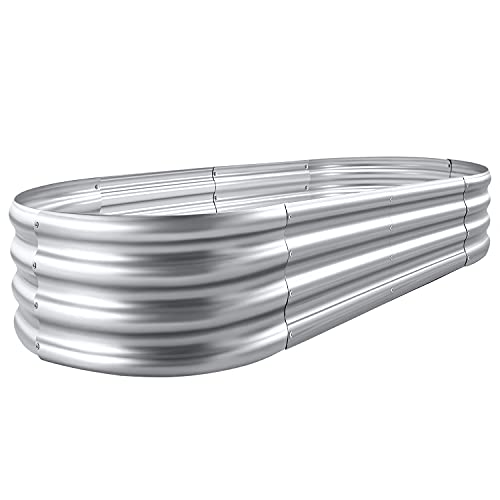
Best for: durable, weather-ready metal beds with a strong oval design. This kit is easy to assemble and aims to withstand outdoor conditions for many years. Choose this if you prioritize corrosion resistance and long-term outdoor performance. Limitation: exact weight capacity isn’t specified, so plan for average-to-heavy plant loads with proper soil management.
Best Choice Products 48x24x30in Raised Garden Bed
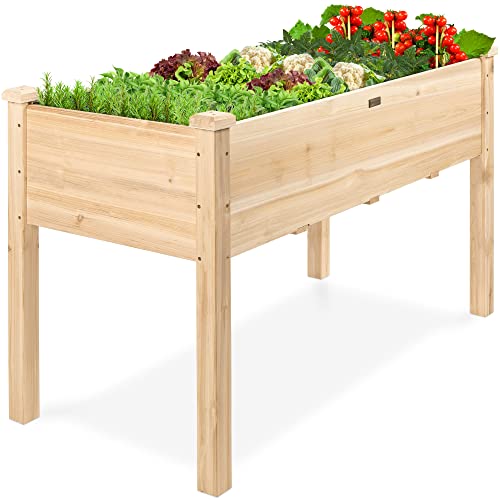
Best for: medium-sized plots with good drainage. Its 5 cubic feet bed depth supports a variety of vegetables and flowers with a weather-resistant wood frame. Better for: users who want a straightforward, all-wood elevated bed without added complexity. Caution: lacks a bottom panel option in some configurations, which can affect root protection for certain crops.
PASAMIC 8x4x1ft Vinyl Raised Garden Bed

Best for: non-wood, low-maintenance above-ground boxes with excellent rust resistance and weather protection. The open-bottom design provides soil nutrients direct access and helps prevent root rot. Choose this if you want a vinyl option that resists typical outdoor wear. Caution: open bottom means alignment with soil depth and drainage must be considered for each planting plan.
zunatu 10x2x1ft Galvanized Raised Garden Bed (2 Pack)
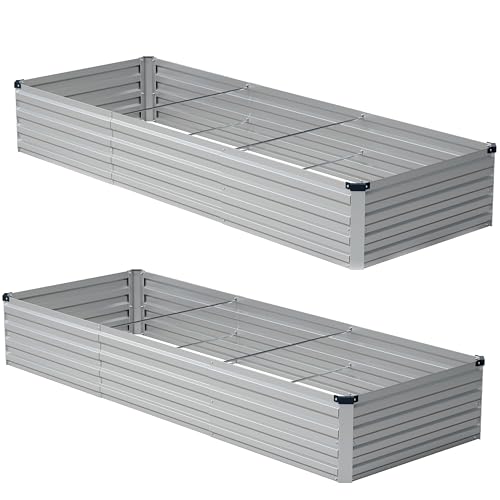
Best for: modular, two-pack metal beds ideal for expanding garden space over time. The galvanized metal resists rust and deformation, with an open-bottom design to avoid waterlogging. Choose this if you want flexible, repeatable configurations. Limitation: exact capacity per bed isn’t stated, so plan soil depth accordingly for vegetables with deeper roots.
Buying Guide: Key Considerations for Above Ground Box Gardens
- Material matters: Metal tends to be durable and long-lasting but can heat soil; wood provides a natural look but may warp over time. Vinyl offers low maintenance but different aesthetics and heat behavior.
- Open-bottom vs closed-bottom: Open-bottom beds improve drainage and root access but require careful site grading. Closed-bottom beds protect roots from gravitating soil and weeds but can hold moisture differently.
- Size and shape: Long, narrow beds fit tight spaces; larger beds support more plants but require stronger support and soil management. Oval or rounded edges can reduce snags but may impact planter area.
- Assembly and maintenance: Some beds are tool-free; others require basic tools. Consider how often you’ll move or adjust the bed and whether you’ll need divider panels.
- Drainage and depth: Deeper beds support root crops; ensure drainage holes or design features prevent waterlogging and mineral buildup.
- Intended plants: Leafy greens, herbs, flowers, and root crops have different soil depth and nutrition needs. Match bed depth and soil mix accordingly.
Frequently Asked Questions
- What is the best material for an above-ground garden box?
– It depends on climate and maintenance: wood looks natural but may warp; metal lasts longer but can heat soil; vinyl resists weathering and is low maintenance. - Do raised beds require bottom panels?
– Open-bottom beds promote root access and drainage; closed-bottom beds protect roots but may require careful moisture management. - How deep should a raised bed be for vegetables?
– Deep-root crops like broccoli or beans benefit from 12–24 inches of soil. Shallow crops can thrive in shallower beds. - Can raised beds be moved after installation?
– Some designs are modular and easier to relocate; others may be heavy or fixed, especially larger wood or metal beds. - Is assembly easy for beginners?
– Many beds are tool-free or come with simple hardware. Always follow included instructions for stability and safety. - What should I put in the soil for raised beds?
– Use a well-draining mix with compost, good topsoil, and amendments suited to the chosen crops for healthy growth.