Best African American Heirloom Seeds for Diverse Home Gardens
The best choice depends on whether you want an edible African-associated crop, a North American native shrub, or ornamental flowers. These five listings include American black elderberry, Ethiopian kale, Managu African black nightshade, African daisy, and African violet seeds. “African American heirloom seeds” can describe culturally meaningful garden choices, but the listings do not establish African American ownership or historical provenance. Check each packet’s growing instructions and seed identity before planting.
| Seed | Best For | Listing Details |
|---|---|---|
| American black elderberry | A native perennial shrub | Non-GMO, open-pollinated, heirloom; 90% germination rate stated in title |
| Ethiopian kale | A leafy vegetable crop | 500 seeds; also called Ethiopian mustard or highland kale |
| Managu | An African-associated garden crop | Premium seed packet |
| African daisy | Colorful outdoor planting | 300+ seeds; listing describes drought tolerance |
| African violet | Home flower growing | 50 seeds; listing describes them as heirloom and open-pollinated |
American Black Elderberry Seeds
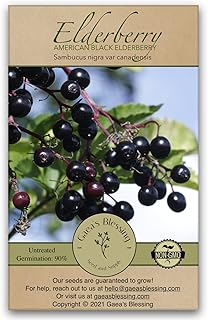
These seeds are identified as Sambucus canadensis, an American black elderberry native to eastern and central North America. The listing describes the plant as a non-GMO, heirloom, open-pollinated, perennial, deciduous, multi-stemmed woody shrub. It also states a 90% germination rate in the product title and says the berries are considered comparable in taste to European black elderberry.
Best for: Gardeners seeking a native perennial shrub rather than a quick annual vegetable. It stands out for the listing’s specific species identification and stated seed characteristics. The product includes planting instructions, according to its title.
Limitation: This is a shrub seed, not an immediate harvest crop; the supplied details do not specify time to maturity or growing conditions.
Ethiopian Kale Seeds

The product name identifies these as 500 Ethiopian kale seeds and gives alternate names: Ethiopian mustard, African kale, and highland kale. The title also describes the seeds as heirloom and non-GMO and lists a packet quantity of more than two grams. No additional growing or variety details were supplied.
Best for: Buyers looking for a leafy-vegetable seed listing associated with Ethiopian or African kale. The stated count makes this the largest seed quantity among the five listings, which may suit gardeners planning multiple sowings, subject to the packet’s actual instructions.
Limitation: The supplied product information does not specify germination rate, days to maturity, or planting requirements. Confirm the packet’s instructions and exact variety before choosing a site.
Managu African Black Nightshade Seeds

The listing names this seed as Managu Kikuyu African black nightshade and describes it as a premium seed packet. Those details make it relevant to gardeners searching for African-associated edible plants, but the supplied listing information does not provide a seed count, botanical name, or growing directions.
Best for: Buyers who specifically want to explore Managu or Kikuyu African black nightshade rather than a broadly labeled vegetable seed. It was selected because its name directly identifies the crop and its cultural association.
Limitation: The available details are brief. Verify the packet’s botanical identity, quantity, and planting guidance, and consult reliable food-preparation guidance before eating an unfamiliar plant.
African Daisy Flower Seeds
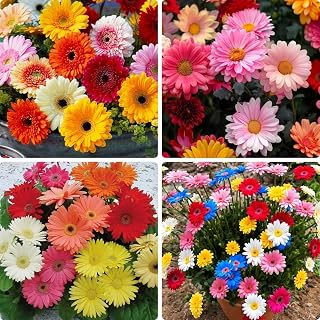
This listing offers 300+ African daisy seeds and describes them as heirloom and non-GMO. Its title highlights colorful blooms, a long flowering season, drought tolerance, and suitability for outdoor gardens and landscaping. These are seller-provided descriptions; the supplied details do not identify a specific daisy species or provide planting instructions.
Best for: Gardeners prioritizing ornamental color and an outdoor flower planting. The stated seed quantity and drought-tolerance claim may make it worth comparing with other flower packets for a landscape project.
Limitation: The listing information provided does not specify flower colors, mature size, or regional growing suitability. Check the full packet details before planning placement.
African Violet Seeds

The product title identifies 50 non-GMO heirloom African violet seeds, names Saintpaulia, and describes the seeds as perennial, open-pollinated, and suitable for indoor and outdoor home gardens. It also refers to rare open-pollinated blooms. The supplied information does not explain the specific growing conditions or define what makes the blooms rare.
Best for: Buyers seeking a flower seed option for home gardening, especially those interested in African violets rather than landscape daisies. The title provides a named plant group and a stated packet quantity.
Limitation: The listing does not provide germination details or care instructions in the supplied data. Confirm whether the seller’s guidance matches your intended growing setup.
Buying Guide: How to Choose African-Associated Heirloom Seeds
Are these seeds specifically African American heirlooms?
Not necessarily. The listings use terms such as African, Ethiopian, Kikuyu, American, heirloom, and open-pollinated, but they do not document a seed’s connection to African American growers or a particular family or community history. If cultural provenance matters, look for seller documentation about seed stewardship, origin, and the history of the variety. Treat a name or “heirloom” label as a starting point, not proof of that history.
Should you choose an edible crop or an ornamental flower?
For food-garden interest, compare Ethiopian kale, Managu, and elderberry. The first two are presented as African-associated crops, while elderberry is identified as a North American native shrub. For flowers, compare African daisy, described for outdoor landscaping, with African violet, described for home gardens. Confirm the intended use and growing directions on the packet before planting.
What seed details should you check?
- Identity: Check the botanical name, common-name variants, and variety when provided.
- Quantity: Compare stated seed counts, such as 500 Ethiopian kale seeds, 300+ African daisy seeds, and 50 African violet seeds.
- Growing guidance: Look for sowing depth, timing, light, water, and climate information. Several supplied listings do not include these details.
- Seed claims: Distinguish seller claims such as heirloom, non-GMO, and open-pollinated from independently documented provenance.
- Garden fit: Consider whether you have space for a woody perennial, room for vegetables, or suitable placement for flowers.
Frequently Asked Questions
Which option is identified as a North American native?
The American black elderberry listing identifies Sambucus canadensis as native to eastern and central North America.
Which listing gives a germination rate?
The American black elderberry product title states a 90% germination rate. The supplied information does not give a germination rate for the other four products.
Which seeds are presented as vegetables?
Ethiopian kale and Managu African black nightshade are the clearest vegetable-oriented listings by name. Check the packet and reliable food-use guidance before growing or eating them.
Which products are labeled heirloom?
The supplied titles or features describe elderberry, Ethiopian kale, African daisy, and African violet as heirloom. No heirloom claim was included in the supplied Managu listing details.