Best Ammonium Sulfate Fertilizer for Blueberries: Quick Guide to Healthier Plants
Find the right ammonium sulfate fertilizer for blueberries to boost growth, color, and fruit yield. This guide highlights five top options, explains who they’re best for, and notes any limitations. Ideal for gardeners facing alkaline soils, or anyone seeking faster green growth and soil acidity management for blueberries and related acid-loving plants.
| Product | Best For | Key Benefit |
|---|---|---|
| The Grow Co Ammonium Sulfate 21-0-0 | Fast-growing blueberries in alkaline soils | Deep green color and soil acidity improvement |
| Hi-Yield Ammonium Sulfate 21-0-0 | Blueberries in high-pH sites and lawns | Dark green foliage and sulfur for pH adjustment |
| CFUTABOH Ammonium Sulfate 21-0-0 | Quick nitrogen boost for lawns and crops | Water-soluble, easy to apply by irrigation |
| PLANTCO Ammonium Sulfate 21-0-0 | Acid-loving plants including blueberries | Rapid nitrogen with pH-neutralizing notes |
| TPS NUTRIENTS Blueberry Fertilizer (Liquid) | Blueberries needing growth and fruit production boost | Supports flowering, fruit set, root development |
The Grow Co Ammonium Sulfate 21-0-0 Fertilizer

Nitrogen-rich fertilizer with 21% nitrogen and 24% sulfur to support lush growth and soil health. The sulfur component helps with soil acidification, benefiting acid-loving plants like blueberries. Best for gardeners needing rapid green growth in alkaline or neutral soils.
Best for: Blueberries in higher-pH soils requiring swift nitrogen uptake and sulfur-driven pH adjustment.
Limitation: May over-acidify in already acidic soils if not applied as directed.
Hi-Yield Ammonium Sulfate 21-0-0

The ammonium sulfate supplement provides a strong nitrogen boost and adds sulfur to help acidify soils with higher pH. It’s versatile for blueberries, lawns, trees, shrubs, and vegetables. Best for sites needing quick color improvement and soil alkalinity management.
Best for: Blueberries and other acid-loving plants in high-pH landscapes seeking fast nutrient delivery.
Limitation: Should be used carefully to avoid excessive acidification in already acidic soils.
CFUTABOH Ammonium Sulfate 21-0-0 Fertilizer

Premium water-soluble ammonium sulfate with 21% nitrogen, designed for easy irrigation, sprinkling, or foliar spraying. Includes gentle soil acidity adjustment to support acid-loving plants, with less risk of root burn when used as directed.
Best for: Gardeners using irrigation systems who want quick dispersion and even nutrient delivery to blueberries.
Limitation: Water-soluble formula requires careful dosing to prevent nutrient burn or soil pH swings.
PLANTCO Ammonium Sulfate 21-0-0

Quick-acting nitrogen with potential pH-neutralization benefits to support acid-loving plants like blueberries. Provides immediate foliage growth and greener color while helping soil balance for alkaline conditions.
Best for: Home gardens needing rapid leaf growth and color in blueberries planted in soils with variable pH.
Limitation: For best results, monitor soil pH to avoid over-acidification in nearby crops.
TPS NUTRIENTS Blueberry Fertilizer (Liquid)
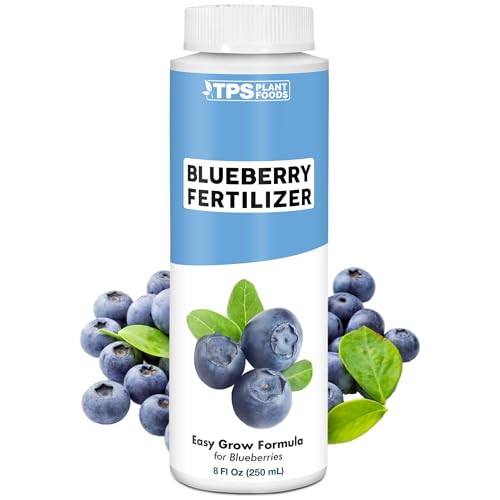
Liquid blueberry fertilizer formulated to support fruit production and root development. Rich in nutrients to promote flowering, berry set, and steady plant health. Best for ongoing maintenance and liquid feeding programs.
Best for: Blueberry plants needing a steady, easy-to-apply liquid feed for better fruit yield.
Limitation: Liquid formulations may require more frequent applications or precise dilution for optimal results.
Buying Guide: Ammonium Sulfate For Blueberries
Key considerations help select the right product and avoid common mistakes.
- Nitrogen needs: Blueberries benefit from balanced nutrition with nitrogen to support growth, plus sulfur to aid soil acidity. Choose products with high nitrogen content and added sulfur if your soil is alkaline.
- Soil pH impact: Ammonium sulfate lowers pH, helping acid-loving plants. Test soil pH before applying and recheck after seasonal applications.
- Application method: Some products are water-soluble for irrigation or foliar feeding, others are granular for soil incorporation. Match method to your watering setup and plant size.
- Plant compatibility: For mixed plantings, ensure the product is suitable for blueberries and other acid-loving species in your garden.
- Frequency and timing: Apply during early spring as growth begins and again at bloom or fruiting depending on product and soil conditions. Avoid excessive applications to prevent nutrient imbalance.
- Safety and handling: Follow label directions, wear gloves, and store fertilize securely away from children and pets.
How To Choose The Right Product
- Soil test first: If your soil is already acidic, you may prefer a product emphasizing nitrogen and organic matter rather than heavy pH lowering.
- Form factor: Choose liquid for quick uptake or granular for longer-lasting release based on your maintenance plan.
- Plant stage: Seedlings may require gentler feeding, while established bushes can tolerate stronger applications in spring.
- Compatibility: If you also grow acid-loving ornamentals, select a product that benefits all plants in the bed without over-acidifying nearby crops.
Frequently Asked Questions
- Is ammonium sulfate good for blueberries? Yes, it provides nitrogen and sulfur to support growth and helps lower soil pH, which benefits blueberries in alkaline soils.
- How often should I fertilize blueberries with ammonium sulfate? Generally in early spring and again at bloom or fruit set, following label guidelines and soil test results.
- Can ammonium sulfate harm my plants? Over-application can lower soil pH too much or cause nutrient burn. Always follow recommended rates.
- Should I mix ammonium sulfate with other fertilizers? It can be used alongside other fertilizers when targeted to blueberries, but avoid mixing with products that could cause salt burn or pH imbalances.
- What’s the difference between granular and liquid forms? Granular products release nutrients slowly through soil contact, while liquids act quickly through irrigation or foliar feeding.
- Do I need to test soil pH before using ammonium sulfate? Yes. Blueberries prefer acidic soil; testing helps tailor application to avoid excessive acidity.