Best Anti-Siphon Valve for Drip Irrigation: Essential Backflow Protection in Your Garden
Anti-siphon valves are crucial for drip irrigation systems, preventing backflow that could contaminate your water supply. This article highlights five top-rated units, explains key features, and helps you choose the best anti-siphon valve for above-ground installations. All options work with standard timers and are designed to keep irrigation water moving forward, even in pressure fluctuations.
Summary of Selected Products
| Product | Brand | Valve Size | Key Benefit |
|---|---|---|---|
| Professional Grade Anti-Siphon Valve with Flow Control | Rain Bird | 3/4″ | Compact, above-ground, manual bleed screw |
| Professional Grade Anti-Siphon Valve with Flow Control | Rain Bird | 1″ | Higher flow, above-ground, manual bleed screw |
| Anti Siphon Irrigation Valve with Backflow Preventer | Hunter Industries | 1″ | Integrated backflow prevention, 24V compatibility |
| 1-Inch FPT 100 Series Automatic Anti-Siphon Valve | Orbit | 1″ | Atmospheric vacuum breaker, easy maintenance |
| 3/4-Inch FPT Brass Automatic Anti-Siphon Valve | Orbit | 3/4″ | Flow control, reliable protection |
The following sections detail each option, including installation notes and what makes them suitable for drip irrigation systems. All products are designed for above-ground installation and are compatible with standard sprinkler timers.
Rain Bird 3/4-Inch Anti-Siphon Valve With Flow Control
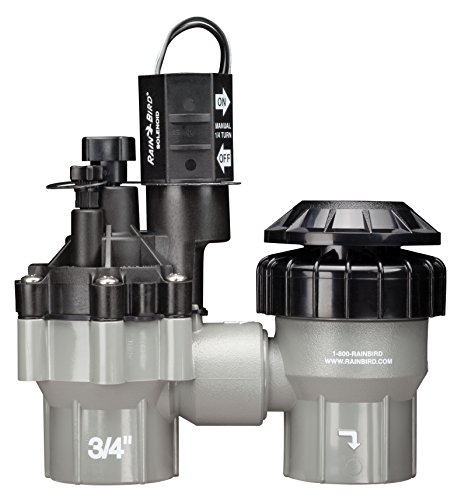
Rain Bird’s professional-grade anti-siphon valve with flow control offers reliable backflow protection for above-ground lines. Its 3/4″ female x female thread fits common drip systems. The valve works with standard timers and can operate automatically or manually via the bleed screw. The design emphasizes durability and straightforward installation, ideal for specialty irrigation runs where backflow risk is a concern.
Rain Bird 1-Inch Anti-Siphon Valve With Flow Control

This Rain Bird valve is designed for higher flow needs, featuring flow control and above-ground installation for 1″ lines. It protects water supply by preventing backflow, aligning with typical irrigation setups. It operates automatically or manually with a bleed screw, making maintenance simple while ensuring code-compliant backflow prevention when positioned at least 6″ above the highest sprinkler head.
Hunter 1″ Anti Siphon Valve With Backflow Preventer

Hunter’s 1″ anti-siphon valve includes a built-in backflow preventer, reducing clutter and potential leaks from external components. It is compatible with 24V solenoids and DC-latching controllers, suiting wired or battery-powered irrigation systems. The unit’s rugged construction—glass-filled nylon and stainless steel—supports heavy use and resistance to UV exposure and high pressures up to 150 PSI.
Orbit 57624 1-Inch Anti-Siphon Valve With Flow Control

Orbit’s 1-Inch automatic anti-siphon valve features an atmospheric vacuum breaker for backflow prevention. It is designed to prevent siphoning into culinary or irrigation lines and includes an integrated scrubber filter to reduce clogs. The valve supports above-ground installation on risers for easy access and maintenance, aiding consistent performance across seasons.
Orbit 3/4-Inch Brass Automatic Anti-Siphon Valve

This Orbit model combines brass construction with automatic flow control for 3/4″ lines. It provides dependable backflow protection and reliability for drip irrigation systems. The unit is designed for above-ground use, offering straightforward installation and durable operation under varying outdoor conditions.
Buying Guide
Key purchase considerations help ensure you pick the right anti-siphon valve for drip irrigation. This guide covers compatibility, installation, and long-term maintenance from multiple perspectives.
- Valve size and thread type: Match 3/4″ or 1″ connections to your irrigation layout. Female x Female is common for drip lines, while brass or nylon bodies affect durability and weight.
- Backflow mechanism: Decide between integrated backflow prevention (preferred for compact layouts) and a separate backflow device. Integrated models simplify the system and reduce leak points.
- Flow control: Valves with adjustable flow help fine-tune irrigation zones and minimize water waste. Consider whether you need automatic control or manual bleed for seasonal adjustments.
- Installation environment: Above-ground installations simplify access for maintenance and winterization but require UV-resistant materials and robust seals to endure outdoor exposure.
- Electrical compatibility: For models with solenoids, check voltage compatibility (24V AC or DC-latching). Ensure control compatibility with your timer or controller.
- Durability: Look for materials like stainless steel components, UV-resistant housings, and pressure ratings that suit your local climate and water pressure.
- Maintenance needs: Scrubber filters and cleanable seats reduce clogging. Regular checks help prevent failure during peak irrigation periods.
- Code compliance: Above-ground backflow protection is essential in many regions. Ensure the device provides proper backflow prevention to meet local codes.
When evaluating options, consider how many zones you have and whether future expansion is likely. A model with stronger flow control and reliable backflow prevention generally offers the best balance of performance and longevity for drip irrigation systems.