Best Aphid Spray for Vegetables: Top Picks for a Healthy Garden
Gardening in American yards often faces aphid invasions that sap plant vigor and spread diseases. The right aphid spray for vegetables helps protect crops from this common pest, while minimizing impact on beneficial insects and the environment. Below are five well-regarded products chosen for effectiveness, safety, and suitability for home vegetable gardens. Each entry includes practical usage tips and how it fits different garden setups—from small raised beds to larger vegetable patches.
| Product | Brand | Key Benefit |
|---|---|---|
| BioAdvanced Vegetable & Garden Insect Spray | BioAdvanced | Broad insect kill with protection for fruits and vegetables |
| Organic Insecticide & Fungicide (ARBER) | ARBER | Combined pest and disease control, plant-safe |
| Safer Brand Garden Insect Control | Safer | Natural oils, gentle on plants, kid/pet safe when used as directed |
| EcoVenger Plant Insect Spray | EcoVenger | Broad pest kill with soil and foliar treatment |
| Bonide Captain Jack’s Tomato & Vegetable Spray | Bonide | Insect and disease control for tomatoes and vegetables |
BioAdvanced Vegetable and Garden Insect Spray

BioAdvanced Vegetable and Garden Insect Spray is a concentrated insecticide designed to kill aphids, caterpillars, thrips, tomato hornworms, whiteflies, and more. It provides protection for fruits and vegetables by addressing a broad range of listed pests with a simple mixing process. The concentrate form allows users to tailor the strength to their garden size, making it suitable for medium to larger vegetable plots. Application involves preparing a spray solution and applying it until leaves are coated without dripping, offering a practical method to safeguard vegetables from common aphid infestations.
Organic Insecticide & Fungicide (ARBER)

ARBER’s Organic Insecticide & Fungicide provides a dual-action approach, targeting chewing and sap-sucking pests, including aphids, while addressing powdery mildews and other diseases. The formula is plant-safe and designed for both indoor and outdoor use, making it versatile for home gardens, containers, raised beds, and greenhouse starts. A key feature is its ability to coat leaves and soil zones, disrupting pest life cycles and offering preventative benefits after application. Dilution and application vary by plant type, so follow label directions for seedlings or established beds alike.
Safer Brand Garden Insect Control

Safer Brand Garden Insect Control uses natural oils to combat a wide range of garden pests, including aphids, beetles, boxelder bugs, caterpillars, earwigs, and spider mites. The formula is designed to be gentle on plants, making it suitable for roses, flowers, vegetables, and fruit trees. Its natural composition helps minimize disruption to beneficial insects when used as directed, and the product is marketed as safe for use around children and pets. This makes it a practical choice for households prioritizing a lower chemical footprint in vegetable spaces.
EcoVenger Plant Insect Spray
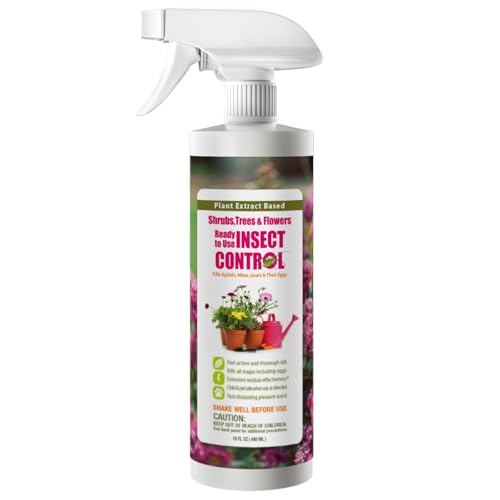
EcoVenger is a ready-to-use plant bug spray formulated to instantly kill aphids, mealybugs, red spider mites, armyworms, and whiteflies on contact. It works well for both indoor and outdoor plants and can be diluted for delicate, newly sprouted parts. The product emphasizes prevention as well as immediate control, with guidance on soil treatment to address hidden eggs and larvae. Dilution is advised for sensitive plants, and follow-up applications may be required for lasting protection in hot or humid conditions.
Bonide Captain Jack’s Tomato & Vegetable Spray

Captain Jack’s Tomato & Vegetable Spray provides insect and disease control suitable for organic gardening. It targets aphids among other garden pests and also helps manage fungal issues like black spot, powdery mildew, and rust when applied early in the season. This product is suitable for use on listed fruits, vegetables, and ornamentals, including tomatoes and many common garden crops. For best results, apply before disease signs appear and repeat as directed by the label to maintain protection throughout the growing season.
Buying Guide
Key purchase considerations
When choosing an aphid spray for vegetables, consider the crop type, growth stage, and whether you prefer a contact-only spray or a product with residual or systemic action.
- Active ingredients and pest spectrum: Look for products that list aphids among their target pests and note any additional pests (whiteflies, mites, caterpillars) addressed by the formula.
- Plant safety and compatibility: For vegetable gardens, select formulations labeled for edible crops and follow dilution instructions to avoid leaf burn or residue concerns.
- Mode of application: Concentrates require mixing, which offers flexibility for larger plots, while ready-to-use sprays save time for small beds or containers.
- Environmental impact: Prefer products with minimal harm to beneficial insects and the environment, especially for home gardens relying on natural pest management practices.
- Seasonality and repeat applications: Some products work best early in the season or after rain; others require reapplication cycles to sustain protection during peak pest pressure.
Product performance considerations
Performance varies by pest, plant type, and weather. Some sprays act quickly on contact, while others provide longer-term suppression by disrupting pest life cycles. For tomatoes and other vegetables, early intervention often reduces visible damage and helps maintain yield. Always read the label for crop-specific instructions and safety warnings.
Safety and storage
Store pesticides in a cool, dry place away from children and pets. Use protective gear as recommended by the label, and dispose of containers according to local regulations. For vegetable gardens, consider rotating products or alternating between different modes of action to prevent pest resistance.