Best Apple Trees for Zone 8: Hardy Options for Warmer Climates
Answering the search intent: If you live in USDA Zone 8 and want reliable, fruit-bearing apple trees, these selections offer good cold tolerance, sun requirements, and cross-pollination needs. Ideal buyers include home orchard enthusiasts, edible landscape planners, and gardeners seeking reliable summer and fall harvests without excessive chill hours.
Below is a quick game plan: the five picks focus on Zone 8 suitability, with notes on bloom time, pollination needs, and any shipping restrictions. Use the comparison table to decide which trees fit your climate, space, and fruit goals.
| Product | Best For | Important Note |
|---|---|---|
| Pink Lady Live Apple Tree | Warm summers with adequate chill (Zone 5-9) | Shipped in 1 gal pot; shipping restrictions to CA, AZ, AK, HI |
| Gala Apple Tree | Ready-to-plant, small to medium spaces | Thrive in zones 4-8; cross-pollination needed |
| Granny Smith Apple Tree | Self-contained tart flavor, versatile use | Zones 5-9; self-pollination noted |
| Crabapple Tree Saplings (3-pack) | Backyard orchard with ornamental fruit | Dormant shipment; three saplings included |
| Red Delicious Apple Tree | Classic varieties for fresh eating | Shipping restrictions to CA, AZ, AK, HI |
Pink Lady Live Apple Tree

The Pink Lady apple tree produces a late-season harvest with white blossoms tinged with pink, adding ornamental appeal to the garden. Best for Zone 5–9, this variety thrives in warmer climates with sufficient chill hours for proper fruit development. Potential buyers should note the stated shipping restrictions to CA, AZ, AK, and HI, which may limit availability in those regions.
Best for: Gardeners seeking a reliable late-season apple with a pleasant flavor profile and ornamental spring blooms. Choose this if your site receives full sun and you can provide the chill hours this variety prefers.
Limitation: The product cannot ship to California, Arizona, Alaska, or Hawaii; plan an alternative or pickup if you are in restricted states.
Gala Apple Tree

The Gala apple tree is a versatile choice that ships as a 3-ft-plus live plant. It thrives in zones 4–8 and benefits from full sun. Cross-pollination is essential for fruit production, so consider planting a compatible partner variety in the same area. This selection is well-suited for homeowners who want a reliable yield in a moderate climate with enough chill hours.
Best for: Small to medium spaces where progressive fruiting is desired and you can pair with a pollinator variety. It’s a solid option for Zone 8 gardens needing a dependable, sweet apple.
Limitation: Requires cross-pollination to produce fruit; ensure nearby compatible apple varieties are planted nearby.
Red Delicious Apple Tree

The Red Delicious is a classic, with deeply red fruit and a crisp flesh profile. It’s known for a mild, sweet flavor and is commonly enjoyed fresh or used in salads. Best for Zone 5–8 environments that provide consistent sun. Tree height in the product listing is 2-3 ft in a 1 gal pot, which can indicate a faster start to fruiting with proper care.
Best for: Gardeners who want a traditional, widely recognized apple variety for fresh eating and simple culinary uses. Suitable for Zone 8 sites with ample sun and well-drained soil.
Limitation: Same shipping restrictions apply to CA, AZ, AK, and HI; verify availability before purchase.
Crabapple Tree Saplings (3-Pack)
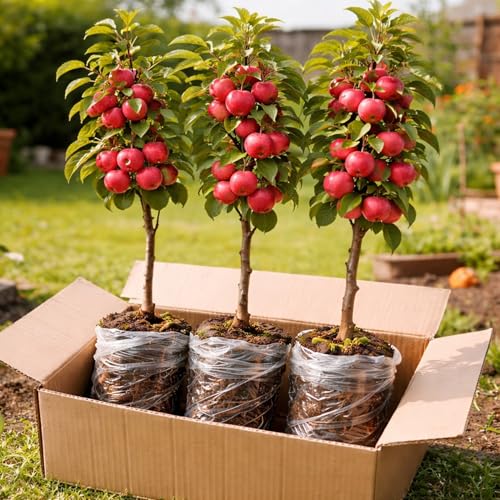
This pack includes three live crabapple saplings, a resilient option for backyard orchards or containers. Crabapples are hardy and adaptable, thriving in full sun with well-drained soil. They provide ornamental fruit and can contribute to pollinator support with other apple varieties nearby. Their primary appeal is vigor and ornamental fruit rather than dessert eating, making them a flexible addition for Zone 8 landscapes.
Best for: Home orchards and container gardening where a hardy, multi-plant setup is preferred. Consider these if you want quick visual impact and pollinator-friendly options.
Limitation: Plants ship dormant, with no leaves or fruit; plan for seasonal growth and establishment in spring.
American Plant Exchange Apple Tree ‘Honeycrisp’
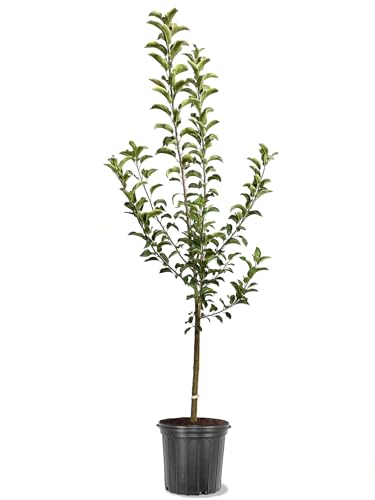
The Honeycrisp variety is celebrated for its explosive crisp texture and sweet-tresh flavors. It is cold-hardy in Zones 4–8 and suitable for home orchards or edible landscapes, provided sufficient chill hours are offered. Unlike some listings, pollination needs may require another compatible apple variety nearby to ensure fruiting. This selection is ideal for Zone 8 gardeners who want a premium crisp-fleshed apple option alongside ornamental appeal.
Best for: Buyers seeking a premium fresh-eating apple with great texture and a robust growth habit. Pair with another compatible apple variety for reliable fruit production.
Limitation: Requires at least one pollinator variety for best yields; ensure cross-pollination planning in a Zone 8 setting.
Buying Guide: Key Considerations For Zone 8 Apple Trees
- Sun exposure: Most apple trees perform best with full sun (6–8 hours daily). Zone 8 climates benefit from sun-heavy sites to maximize fruit set and flavor.
- Chill hours: Zone 8 trees vary in chill-hour requirements. If your site experiences warmer winters, choose varieties tolerant of lower chill hours or those labeled for Zone 5–9 or 4–8.
- Pollination needs: Many apple trees require cross-pollination. Plan to plant at least two compatible varieties within proximity to ensure fruit production.
- Soil and drainage: Apple trees prefer well-drained soil. Amend heavy soils and avoid standing water to prevent root issues and poor fruit set.
- Shipping restrictions: Some listings include state-specific shipping limitations (for CA, AZ, AK, HI). Verify availability before ordering to avoid cancellations.
- Planting and care: Follow the included planting instructions. Water regularly after planting, and provide mulching to conserve moisture and regulate soil temperature.
Frequently Asked Questions
- What is the best apple variety for Zone 8? Choices with low to moderate chill hours, such as Gala, Pink Lady, and Granny Smith, tend to perform well in Zone 8 when given proper sun and pollination partners.
- Do I need two different apple varieties for fruit? Yes, most apple trees require cross-pollination, so plant at least two compatible varieties nearby for fruit production.
- How much sun does an apple tree need? Aim for full sun, about 6–8 hours per day, to maximize blossom and fruit yield.
- Can I grow apple trees in containers in Zone 8? Yes, many varieties adapt to containers when given adequate space, irrigation, and fertilization, especially in patios or small gardens.
- Are there shipping restrictions I should watch for? Some listings restrict shipping to certain states; check the product page to avoid order cancellations.
- How long before fruiting? It varies by variety, but many apple trees begin producing fruit within 2–3 years after planting with proper care.