Best Azalea and Camellia Potting Mixes for Healthy Blooms and Strong Roots
Direct answer: selecting an acidic, well-drained, and nutrient-balanced potting mix is essential for azaleas and camellias. This guide highlights five suitable options, explains who they’re best for, and helps you compare texture, pH, drainage, and nutrient delivery. Perfect for container gardeners and indoor enthusiasts seeking vibrant blooms and robust growth.
| Product | Type | Best For |
|---|---|---|
| Soil Sunrise Monstera Houseplant Potting Soil Mix | All-purpose blend | General repotting and mixed-houseplant setups (good for beginners) |
| Soil Sunrise Acid Loving Plant Potting Soil Mix | Acidic, pH-balanced mix | Azaleas, rhododendrons, blueberries |
| Gardenera Premium Balsam Camellia Potting Mix | Camellia-specific blend | Camellias and container camellia care |
| Coast of Maine Organic & Natural Planting Soil | Low-pH organic blend | Acid-loving plants including azalea and camellia varieties |
| Back to The Roots Organic Coir Potting Soil | Coir-based, expandable | Seed starting and general potting, peat-free option |
Soil Sunrise Monstera Potting Soil Mix

Best for: General houseplant holders who want a ready-to-use mix for repotting or initial planting. This option provides a balanced substrate suitable for a variety of indoor ornamentals, not azalea or camellia-specific but useful for mixed setups.
Caution: Not specifically formulated for azaleas or camellias; pH and nutrient needs may vary for acid-loving shrubs.
Soil Sunrise Acid Loving Plant Potting Soil Mix

Best for: Azaleas, rhododendrons, blueberries, and other acid-loving plants requiring a lower pH. This blend is designed to support vibrant blooms in acidic soils and maintain nutrient availability in containers.
Limitation: While ideal for azaleas, it may not provide balanced nutrition for plants needing higher calcium or magnesium without supplementation.
Gardenera Premium Balsam Camellia Potting Mix

Best for: Camellia enthusiasts seeking a mix with peat moss, worm castings, and balanced moisture retention. Excellent for container-grown Camellias and Balsam Camellias.
Limitation: Contains peat moss, which may be less suitable for strictly peat-free gardening plans; consider alternatives if you require an all-natural peat-free option.
Coast of Maine Organic & Natural Planting Soil

Best for: Acid-loving plants including azalea and camellia, with low pH and organic compost components. Suitable for both indoor and outdoor container gardening to revitalize soil structure.
Limitation: May be heavier and organic-forward, which could affect drainage in very small pots; ensure proper pot size and watering schedule.
Back to The Roots Organic Coir Potting Soil
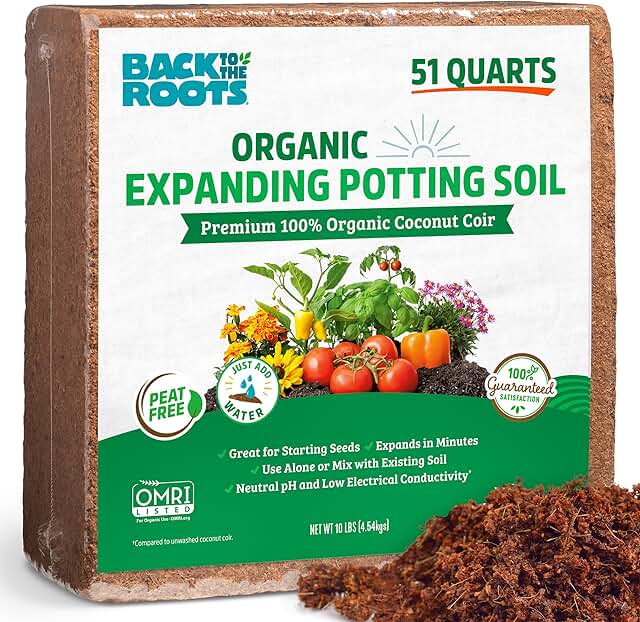
Best for: Seed starting and general potting with a peat-free option. Coir-based mix expands well and provides a light, airy texture suitable for young plants.
Limitation: Coir-based mixes may require more frequent feeding as they can dilute certain nutrients; monitor fertilization and adjust as needed.
Buying Guide: Key Purchase Considerations
What soil pH do azaleas and camellias need? These plants typically prefer acidic to mildly acidic soils. Look for mixes specifically labeled for azaleas, camellias, rhododendrons, or acid-loving plants to help maintain optimal pH.
How important is drainage and aeration? Azaleas and camellias dislike compacted soil. Choose blends with perlite, sphagnum moss, perlite, or coir for improved drainage and root oxygenation.
Should you use peat-based or peat-free mixes? Peat-based mixes retain moisture but raise sustainability concerns. If you prefer peat-free, select blends with coconut coir, compost, or sphagnum alternatives, and ensure adequate moisture management.
What nutrients are essential? Look for mixes that include organic matter, worm castings, or compost to support slow, steady nutrient release. For container azaleas and camellias, consider separate feeding to prevent excessive salt buildup.
Are plant size and pot type a factor? For large containers, a well-draining mix with added organic matter supports sustained growth. For small pots, avoid overly dense mixes that can compact quickly and restrict root growth.
Frequently Asked Questions
- Q: Can I mix azalea and camellia potting mixes together? A: Yes, combining an acid-loving mix with a balanced, well-draining base can work, but ensure the final pH remains in the acidic range suitable for azaleas and camellias.
- Q: Do azaleas and camellias require moisture-retentive soils? A: They prefer consistent moisture without waterlogging. Mixes with sphagnum moss, coco coir, or perlite help balance retention and drainage.
- Q: Is peat-free preferred? A: Peat-free options are more sustainable; choose one with coco coir or compost and monitor moisture and nutrient availability.
- Q: How often should I repot azaleas or camellias? A: Repot when roots fill the container or the growth slows. Use a slightly larger pot with fresh, acid-friendly mix.
- Q: Can I use regular potting soil for azaleas and camellias? A: Regular potting soils may be too rich or neutral in pH. For best results, choose an acid-loving or camellia-specific mix and adjust watering and feeding accordingly.
- Q: Are there warning signs I should watch for in new soil? A: Look for poor drainage, root rot, yellowing leaves, or stunted growth. If observed, reassess pH, drainage, and fertilizer regimen.