Best Bark Alternatives for Garden Beds: Mulch and Mulch Substitutes
Garden beds benefit from mulching materials that improve moisture retention, aeration, and weed suppression. This guide highlights five practical bark alternatives and related amendments that suit American gardens. Each option provides distinct benefits for soil health, aesthetics, and maintenance, helping you select the right product for your bed design and climate.
Summary of selected products:
| Product | Brand | Type | Key Benefit |
|---|---|---|---|
| Gro-Med Coco Husk Chips for Plants | Gro-Med | Coconut Husk Chips Mulch | Improved aeration, low EC, pH balanced |
| NuPlay Rubber Mulch Landscaping Bark | NuPlay Rubber Nugget | Rubber Nugget Ground Cover | Long-lasting color, minimal maintenance |
| Garden Elements Cocoa Bean Shell Mulch | Garden Elements | Cocoa Bean Shell Mulch | Natural aroma, moisture control |
| Esbenshade’s Professional Lightweight Potting Mix | Esbenshade’s | Peat-based Potting Mix | Airier mix for containers and raised beds |
| Organic Mechanics Planting Mix Compost Blend | Organic Mechanics | Compost Blend | Peat-free, improves soil structure |
Gro-Med Coco Husk Chips For Plants

Gro-Med Coco Husk Chips expand to create a substantial mulch layer that improves root aeration and reduces soil compaction. The chips are triple-washed to maintain a low electrical conductivity (EC) and a stable pH, supporting consistent nutrient uptake. They offer a natural, resilient alternative to traditional bark mulches, with the added benefit of being more tolerant to varying moisture conditions in garden beds.
NuPlay Rubber Mulch Landscaping Bark
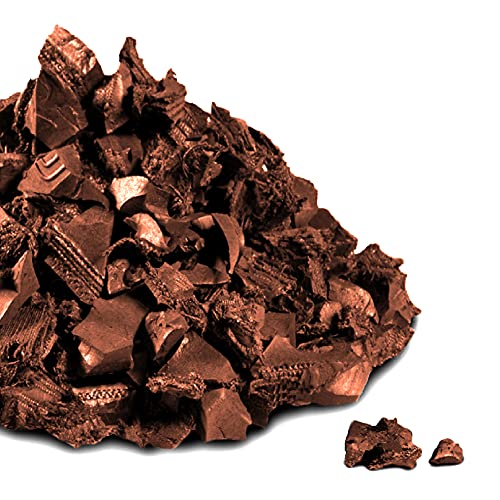
NuPlay Rubber Nugget mulch offers extended color stability and low maintenance compared to organic materials. These 100% recycled rubber nuggets resist fading, moisture loss, and wind displacement, delivering a long-lasting option for garden beds. They are designed to withstand extreme temperatures while reducing weed growth and minimizing root disturbance. While cost per area may be higher, the product reduces replacement frequency and upkeep over time.
Garden Elements Cocoa Bean Shell Mulch

Garden Elements Cocoa Bean Shell Mulch provides a natural, aromatic mulch derived from cocoa bean shells. It aids moisture retention and weed suppression while delivering a rich, dark appearance. This mulch is particularly suited to ornamental beds where a chocolate aroma enhances the garden experience. Note that it should be used where there is no direct contact with edible crops or where aroma is a desired aesthetic feature.
Esbenshade’s Professional Lightweight Potting Mix

Esbenshade’s potting mix is a balanced soilless blend featuring peat moss, perlite, pine bark, and lime. It is designed for containers and raised beds where drainage, aeration, and consistent moisture are essential. The lightweight texture makes handling easy for large projects, while the mix supports healthy root growth when used as a base or mixed with garden soil amendments.
Organic Mechanics Planting Mix Compost Blend

Organic Mechanics planting mix blends compost, pine bark, coconut coir, and worm castings to revitalize garden soil. This peat-free option improves soil structure, moisture retention, and nutrient availability for raised beds and traditional garden beds. Its balanced composition supports long-term soil health without relying on peat, aligning with eco-friendly lawn and garden practices.
Hugeleaf Landscape Edging With Spikes

While not a mulch, landscape edging like this 26-foot Black border helps define garden beds and keep mulch or decorative ground cover contained. The tall 4.5-inch height acts as a visual and physical barrier to prevent mulch migration into lawns. It’s adjustable by length and reinforced with stakes for stable installation, supporting cleaner bed edges and easier maintenance.
Meyoppm Corrugated Garden Edging

This corrugated metal edging provides a durable, safe, and flexible option for defining garden beds and pathways. The rolled-edge design reduces sharp edges while offering a modern aesthetic. It’s easy to install and can be shaped to fit various angles, helping to create clean borders that preserve mulch and soil in long-term bed designs.
Buying Guide: Key Considerations For Bark Substitutes And Mulch
- Soil health and chemistry: Choose materials with stable pH and low EC to minimize nutrient lockout. Coconut husk and cocoa bean shells often balance well in diverse soils, though cocoa shells may affect aroma in certain plantings.
- Water retention and aeration: Organic blends (coconut coir, pine bark, worm castings) typically improve moisture management and root aeration, while rubber mulch excels at moisture conservation and long-lasting color.
- Durability and maintenance: Rubber nuggets resist weathering and require less replacement, whereas organic mulches decompose over time and need periodic replenishment.
- Aesthetics and garden design: Dark cocoa tones create a cohesive look with flowering beds; natural coconut husk tones blend with tropical or drought-tolerant landscapes.
- Edging and bed definition: For clean bed lines, consider edging products that limit mulch bleed into lawns or pathways while maintaining easy access for weeding and irrigation.
- Environmental impact: Peat-free mixes support sustainable soil practices. Recycled rubber offers longevity but may require consideration of heat absorption in hot climates.
- Safe use with edibles: If growing edible crops, verify material suitability to avoid unintended flavor transfer or contamination risks. Some aromatic mulches may influence nearby crops.
- Application guidance: Follow recommended thickness for mulch layers (typically 2-4 inches for beds) to ensure adequate weed suppression without suffocating roots.