Best Bee Houses for Carpenter Bees: Practical Options for Pollinator Support
Direct answer: carpenter-bee friendly bee houses and traps can deter damaging nesting while supporting beneficial pollinators. The best choices suit homeowners wanting easy maintenance, educational viewing, and durable outdoor use. This guide highlights five well-suited options for different needs—watchable, natural nesting, and targeted trapping when necessary. The top picks are suitable for gardeners, families, and anyone looking to encourage pollination while protecting wooden structures.
Summary of selected products
- BalterFF Bee Houses for The Garden Insect Bee Hotel Carpenter Wood Bee House
- GRTRE 2 Pack Wood Carpenter Bee Trap for Outside
- Lulu Home Wooden Insect House, Hanging Insect Hotel
- Nature’s Way Bird Products PWH1-C Teal Bee House
- 1 PCS Wood Carpenter Bee Trap for Outside
BalterFF Bee Houses For The Garden
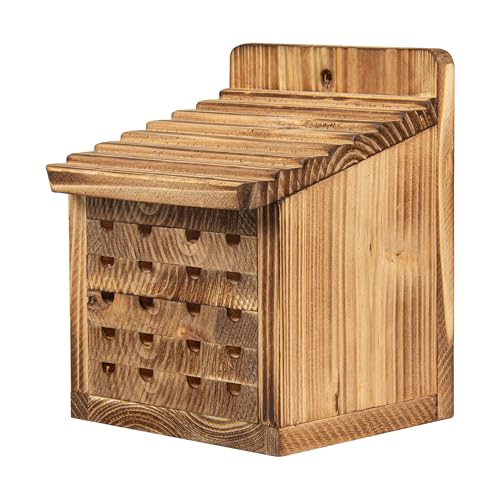
Best for: observers who want a durable, visually attractive habitat that doubles as a garden feature. Why selected: a handmade wooden design with pre-drilled holes invites leafcutter and carpenter bees, supporting pollination while offering a window into nesting for educational viewing. The detachable nesting frame simplifies seasonal cleaning and refreshing. Caution: ensure installation away from high-traffic areas to minimize disturbance to active nests.
GRTRE 2 Pack Wood Carpenter Bee Trap

Best for: homeowners seeking a proactive solution to protect wooden structures from carpenter bee damage. Why selected: patented U.S. design (RE46.421) captures carpenter bees before they damage lumber; built from weather-resistant Paulownia wood with reinforced hardware. Place the traps in sunny spots 5-7 feet high, facing south or southwest. Caution: traps attract bees away from structures, but ongoing monitoring is advised to ensure effectiveness over time.
Lulu Home Wooden Insect House
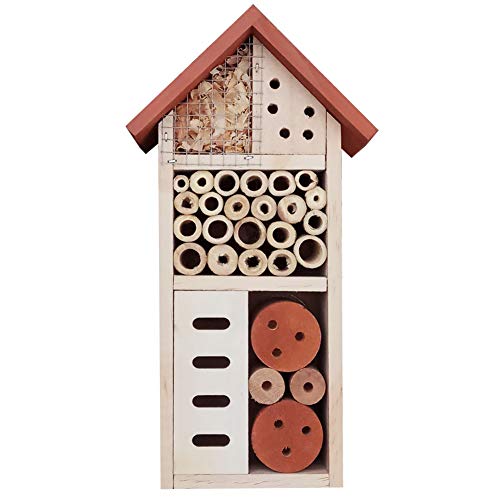
Best for: families and gardeners who want a natural, diversified insect habitat. Why selected: multi-room design with varied materials attracts bees, butterflies, ladybirds, lacewings, and more; supports pollination and pest control while serving as an educational tool. Caution: availability of specific species depends on local climate and habitat diversity; cleaning is easier with the detachable frame.
Nature’s Way PWH1-C Teal Bee House

Best for: gardeners seeking to naturally improve plant health with beneficial insects. Why selected: attracts solitary bees that pollinate up to 20x more effectively than honeybees; easy-mount hanger facilitates flexible positioning around yards, gardens, or landscapes. Caution: ensure the mounting area provides some shelter from harsh sun and rain to extend the house’s life.
1 PCS Wood Carpenter Bee Trap For Outside

Best for: homeowners needing a single, reliable trap to protect wooden structures. Why selected: patented design catches carpenter bees before they damage lumber; sturdy wood construction with weather-ready hardware. Caution: like other traps, effectiveness depends on placement and timing; monitor for seasonal activity and clean as needed.
Buying Guide: Practical Considerations For Carpenter Bee Solutions
What should you look for when choosing bee houses or traps for carpenter bees?
- Material durability: outdoor use requires weather-resistant woods and hardware to withstand rain, sun, and temperature changes.
- Hole size and design: ensure the nesting holes accommodate targeted pollinators (carpenter bees and leafcutter bees) without overly attracting non-target pests.
- Mounting and placement: position near but not on high-traffic areas; southern or southwestern exposure often works best for carpenter bees seeking sun.
- Maintenance: detachable frames or easy-clean designs help refresh nests each season and prevent disease buildup.
- Educational value: multi-room or viewing-friendly designs offer learning opportunities for families and kids.
What is the best approach for a homeowner?
Choose a balance of nesting opportunities and protective traps. If your goal is pollination and observation, prioritize insect hotels with varied rooms. If your main concern is protecting wooden structures, add well-placed traps as a preventive measure, and monitor access points for bee activity.
How do I place these items effectively?
Install bee hotels with unobstructed airflow and partial shelter from heavy rain. Traps should be hung 5-7 feet high, facing south or southwest, in sunny areas away from ground moisture. Regularly check and refresh nesting frames to maintain hygiene and encourage new occupants.
How can families engage safely with bee houses?
Use viewing-friendly designs to observe nesting without disturbance. Ensure children maintain a respectful distance from active nests, and use the educational features to teach pollination and ecology.
Are there risks or limitations to consider?
Some designs may attract more insects than expected or shift bee activity away from vulnerable wood. Always follow product-specific guidance on placement, maintenance, and seasonal reuse to minimize risks.
What about a combined approach?
For best results, combine a visually appealing insect house for observation (like BalterFF or Lulu Home) with a targeted bee trap (like GRTRE or Best Bee Trap options) to protect structures while supporting pollinators. This approach leverages the strengths of each product category.
FAQ
- Q: Which bee house is best for observing nesting? A: BalterFF’s handmade design with a detachable nesting frame offers easy viewing and seasonal refreshment.
- Q: How high should I hang bee traps? A: Aim 5-7 feet above the ground, facing south or southwest for optimal activity.
- Q: Can these houses attract pests other than bees? A: Some insects are beneficial; however, varied materials and proper placement reduce unintended attraction.
- Q: Do bee houses actually improve pollination? A: Yes, by providing nesting sites for solitary bees that are efficient pollinators.
- Q: Should I use traps and houses together? A: Yes, a combined approach can protect wood while supporting pollinators.
- Q: How do I maintain a bee house effectively? A: Regularly clean and refresh nesting frames after each season to keep habitats healthy.
Selected products provide a range of solutions, from inviting, viewable bee habitats to targeted carpenter bee traps. The right choice depends on your goals—pollination support, viewing opportunities, or structural protection—and the local environment where you live.