Best Black Bat Flower Seeds: Exotic Picks for Dark Bloom Gardens
Ready to grow striking, almost otherworldly blooms? This guide highlights top picks for black bat flower seeds and related dark bloom varieties. It helps buyers choose plants that suit climate, space, and gardening goals. Each selection is framed for the right buyer: shaded garden lovers, container growers, or pollinator-friendly setups.
The table below compares five curated options, focusing on bloom color, size, hardiness, and growth habit to aid quick decisions.
| Product | Bloom Color / Feature | Best For | Growing Zone |
|---|---|---|---|
| 5 BAT Flower Seeds (Tacca Chantrieri) | Rare black bat flowers, summer bloom | Shade gardens; indoor containers | Zones 10–11 |
| Chocolate Cherry Sunflower Seeds | Dark burgundy-black blooms | Bold mixed borders; pollinator gardens | Annual, full sun |
| Perennial Black Hibiscus Seeds | Deep black blooms, tropical look | Statement borders; tropical themes | Warm climates |
| Black Petunia Seeds | Black petunia flowers, long-lasting color | Hanging baskets; containers | Cool to moderate climates |
| Black Barlow Columbine Seeds | Dark blooms with ornamental value | Garden borders; cut flowers | Partial to full sun, perennials |
Note: The selections span a range of dark-blooming options, from true black flowers to near-black tones. Consider sun exposure, soil type, and whether you want annuals, perennials, or tropical-season plants when deciding which seeds to grow.
5 BAT Flower Seeds By Seedville
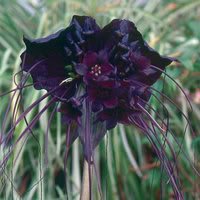
Features indicate bloom timing in summer with 12-inch wide flowers, hardiness in zones 10–11, and plant height from 24 to 36 inches. Best for gardeners seeking dramatic, tropical-looking blooms in a warm climate or for indoor containers in cooler zones. Caution: suited for warmer regions; may require protection outdoors in marginal climates.
Best for: Warm-climate shade gardens or container setups where large, exotic blooms are the focal point. The selection is ideal for gardeners who can provide bright, indirect light and consistent moisture.
Chocolate Cherry Sunflower Seeds
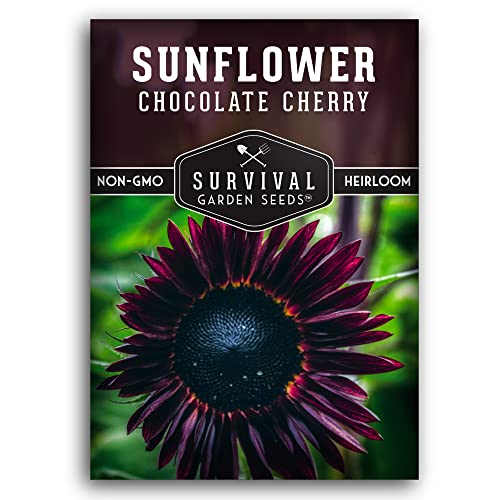
These seeds grow large 5–8″ burgundy-black blooms on 6–7 ft, branching sunflowers. Best for sunny beds, borders, containers, and cut flower arrangements that want a bold, dark centerpiece. They attract pollinators, supporting a lively garden ecosystem. Caution: annual; will need replanting each season in colder regions.
Best for: Tall, dramatic summer displays in full sun, with pollinator-friendly benefits. Choose this if you want a striking focal point and easy-to-grow annual color.
Perennial Black Hibiscus Seeds

Black Hibiscus seeds promise striking deep black blooms with a tropical look. The plants tend to be resilient and visually striking in gardens that can support warm, sun-filled conditions and well-drained soil. Caution: color intensity and bloom shape can vary by climate and soil fertility.
Best for: Gardeners seeking an exotic tropical accent in warm climates or confidently sunny, well-drained beds. Choose this for a long-season tropical vibe.
Black Petunia Seeds

These black petunia seeds offer easy indoor-to-outdoor planting with high cold hardiness for longer color retention. Germination typically occurs within about 21 days at 65–70F, with a sowing rate of 2–3 seeds per plant. Best for hanging baskets and containers where trailing blooms can be showcased. Caution: germination can vary with temperature and soil moisture.
Best for: Container gardeners and hanging basket enthusiasts who want continuous color and a compact, repeat-blooming habit.
Black Barlow Columbine Seeds

The Columbine is an easy-to-grow perennial that offers seasonal interest with dark-toned blooms in spring and maroon foliage in fall. Bell-shaped flowers are attractive to hummingbirds and can be used in cut-flower arrangements. Caution: perennials may take time to establish in harsher climates.
Best for: Mixed borders, shaded to partially sunny areas, and gardeners seeking long-term interest with versatile cut-flower potential.
Buying Guide: Key Purchase Considerations
- Color and bloom habits: Decide between true black tones versus near-black hues to match your garden palette and sun exposure.
- Annual versus perennial: Annuals offer quick, one-season color; perennials provide year-after-year structure with proper care.
- Sun exposure: Dark blooms often appear best in full sun or bright, indirect light; some tropical types prefer warmth and light consistency.
- Soil and drainage: Most bold-bloom seeds require well-drained soil; amend clay or compact soil to improve roots and flowering.
- Climate compatibility: Choose seeds that align with your hardiness zone or plan for containers to simulate warm conditions.
- Maintenance: Consider water needs, spacing, and support structures for tall varieties to prevent flopping.
- Germination and timing: Indoor starting may extend the growing season; outdoor sowing dates depend on frost-free periods.
Frequently Asked Questions
- What is the best way to start dark-blooming seeds?
- Do black flowers require specific soil types?
- Can I grow these in containers?
- Are these plants suitable for pollinator gardens?
- Will black flowers bleed color in rain?
- How long do blooms last?
Most seeds benefit from warm, bright conditions. Start indoors 4–6 weeks before the last frost for many perennials and annuals; keep soil evenly moist and light to moderate in temperature.
While conditions vary by species, well-drained soil generally supports robust growth. Add organic matter to improve texture and moisture retention as needed.
Yes for many varieties. Choose sturdy containers with drainage and provide adequate light. Taller varieties may need staking.
Several listed options attract bees, butterflies, and hummingbirds, enhancing pollination while delivering dark ornamental blooms.
Some pigments may darken with moisture, but the flowers typically retain their distinctive hues during regular rainfall.
Bloom duration depends on species, weather, and care. Annuals provide a single growing season of color, while perennials may re-bloom with proper care.