Best Bleeding Heart Flowers for Shade Gardens and Rock-Bordered Borders
Bleeding heart flowers are a classic choice for shaded gardens, offering delicate heart-shaped blooms that dangle along graceful stems. This guide highlights five reliable options suitable for cool climates, partial shade, and easy-care requirements. Each product is assessed for best use, notable strengths, and practical cautions to help you choose the right variety for your yard, container, or woodland border.
| Product | Best For | Key Benefit | Notes |
|---|---|---|---|
| Bleeding Heart Seeds, 120pcs – Dicentra Spectabilis (BuggyBeds) | Shade gardens, borders | Non-GMO heirloom seeds, cold hardy | Ideal for year-round perennial displays |
| Valentine Red Bleeding Heart – Root Per Package (Willard & May) | Established perennial patches | Fragrant, reliable root stock | Mature height 24-36 inches |
| Bleeding Heart Seeds 150pcs – Dicentra Spectabilis (BuggyBeds) | Low-maintenance shade beds | Abundant blooms, easy growing | Shade-tolerant and ornamental |
| 90Pcs Mix Bleeding Heart Seeds – Non-GMO (Generic) | Mixed shade gardens | Rare mix of colors, cold-tolerant | Requires cold stratification |
| CarpetC 100+ Bleeding Heart Seeds – Dicentra Spectabilis | Shade borders and groundcover | Heart-shaped blooms, pollinator-friendly | Best in zones 3-9 |
Bleeding Heart Seeds, 120pcs by BuggyBeds

The 120-piece Bleeding Heart Seeds from BuggyBeds offer classic Lamprocapnos Spectabilis blooms that mirror the iconic heart shapes gardeners seek. Best for shade-prone yards and cooler climates, these Non-GMO seeds are positioned as a hardy, year-after-year perennial option for borders, woodland patches, and container plantings. This seed pack is a solid choice for gardeners who want a traditional bleeding heart display with minimal fuss. Best for: beginners starting a shaded perennial bed, or gardeners re-creating a woodland-look border. Caution: Seed germination can vary with soil temperature and moisture; cold conditioning may improve results.
Valentine Red Bleeding Heart – Root Per Package

Valentine Red Bleeding Heart provides a robust root stock with fragrance and reliable perennial performance. Suitable for zones 3-9, these plants reach a mature height of 24-36 inches and prefer partial shade or even some sun. This option is best for gardeners who want a strong, flowering plant that establishes quickly in a shady border or under trees. Best for: established shade gardens needing a fragrant focal plant. Caution: Early growth can be slower in very hot summers, and roots should be protected from extreme drought during establishment.
Bleeding Heart Seeds 150pcs – Dicentra Spectabilis
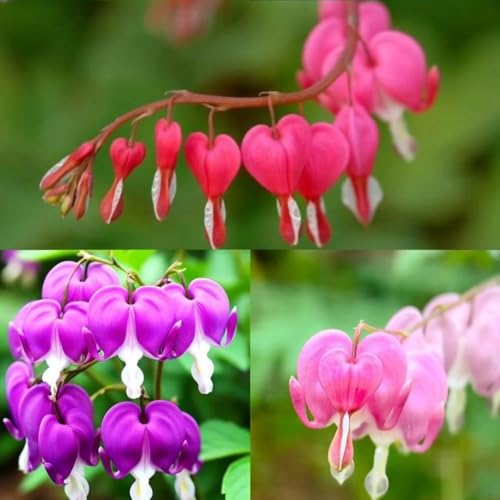
These 150 seeds from BuggyBeds emphasize easy growing for both novices and seasoned gardeners. Shade tolerance remains a key benefit, with the potential for abundant blooms on arching stems. This option is well-suited to adding vibrant color to darker corners of the garden, such as under trees or along northern borders. Best for: creating a lush, low-maintenance shade bed. Caution: Seed count is large, which may require spacing planning to avoid overcrowding as plants mature.
90Pcs Mix Bleeding Heart Seeds – Non-GMO (Generic)

This 90-piece mix by a generic brand focuses on shaded landscape use and includes seeds designed for cooler climates. It emphasizes cold tolerance and the traditional dangling-heart blooms that decorate woodland borders and north-facing beds. A practical pick for gardeners with mixed shade spots who want variety in a single planting. Best for: color variety in a shaded border. Caution: Some seeds may require cold stratification and careful sowing timing to maximize germination in variable spring conditions.
CarpetC 100+ Bleeding Heart Seeds – Shade-Loving

CarpetC’s 100+ seeds offer a shade-loving, heart-shaped bloom profile with late-spring impact. The variety is described as ideal for ground-level display and borders that benefit from draping stems and arching foliage. It also notes pollinator attraction, a plus for wildlife-friendly landscapes. Best for: small shade borders and groundcovers that need visual height without crowding. Caution: Growth may be slower in extremely hot or very dry sites; regular moisture helps establish the plant.
Buying Guide: How To Choose Bleeding Heart Seeds And Plants
Bleeding heart plants thrive in cool, shaded environments with rich, well-drained soil. When selecting seeds or root stock, consider the site’s light exposure, soil quality, and planned garden layout. Here are practical questions to guide your decision.
- Which shade level does your site offer? Most Bleeding Hearts perform best in partial to full shade, with some variety tolerating morning sun and afternoon shade.
- Are you planning a border, container, or woodland patch? Seed packets are ideal for borders and borders, while roots are often best for established beds and quick display.
- Do you prefer a compact or taller plant height? Expect varieties that reach roughly 2-3 feet tall; some cultivars may spread more in ideal conditions.
- What climate zone are you in? Choose cold-hardy varieties for zones 3-9 to ensure perennial performance across seasons.
- Is pollinator support important? Some varieties attract bees and hummingbirds, enhancing garden biodiversity.
Frequently Asked Questions
- Are Bleeding Hearts perennials? Yes, many varieties are perennials, returning each growing season in suitable climates and conditions.
- Do Bleeding Hearts require a lot of care? They typically need consistent moisture, well-drained soil, and protection from harsh sun in hotter regions.
- Can Bleeding Hearts be grown in containers? Some varieties tolerate containers but may require more frequent watering and careful winter protection in cold climates.
- Are Bleeding Hearts deer resistant? Many varieties are not highly deer-resistant, so additional protection may be needed in deer-prone areas.
- Can Bleeding Hearts be fertilized? A light, balanced fertilizer in early spring can support healthy growth, but avoid over-fertilizing which can encourage leafier growth at the expense of blooms.