Best Blue Spring Flowering Bulbs for a Bright Garden This Season
Choosing the right blue spring flowering bulbs sets the tone for a vibrant, early-season garden. This guide highlights five reliable blue bloom options suited to American yards, from compact border color to naturalizing beds and containers. Each option is described with best-use cases, planting notes, and a practical caution to help you decide which bulb is right for your space and climate. The list targets buyers seeking dependable, year-after-year blue spring color without complicated care.
| Product | Best For | Key Benefit |
|---|---|---|
| Grape Hyacinth Bulbs | Borders, pathways, beds | Dense, fragrant blue clusters |
| Glory of the Snow Bulbs | Early color in rock gardens | Blue with white centers for contrast |
| Ipheion Jessie (Blue Starflower) | Naturalized lawns and borders | Massive blue star-shaped blooms |
| Anemone Blue Poppy | Borders, patios, mixed beds | Long-lasting blue blooms |
| Blue Giant Chionodoxa | Groundcover borders | Fragrant, bright blue carpet |
Grape Hyacinth Bulbs – Muscari Armeniacum, 15 Bulbs

Best for compact, fragrant blue clusters, these Muscari Armeniacum bulbs create dense grape-like blooms that brighten borders, pathways, and beds. The deep blue color and honey-like fragrance work well in mass plantings or as accents along walkways. The bulbs are stated to be stored in temperature-controlled refrigeration to help ensure strong germination and vibrant spring color. Plant in fall in sun or part shade with well-drained soil; water after planting and keep the soil slightly moist through fall. Zones 3–9 are suitable. Includes 15 bulbs. Caution: germination success can vary with soil moisture and drainage.
Who it’s best for: Gardeners wanting a reliable, scent-rich blue accent that naturalizes well in perennial borders.
Glory of the Snow Bulbs for Planting – Chionodoxa Blue Spring

This variety delivers early spring color with star-shaped blue blooms accented by white centers. It’s an ideal plant to brighten rock gardens or front borders as winter recedes. Plant in fall; the bulbs are hardy perennials that can return in successive seasons when conditions suit. Best for sunny to partly shaded spots with well-drained soil. Caution: blooms are relatively short-lived compared with some other bulb types, but repeat flowering is possible in cool climates.
Who it’s best for: Gardeners seeking an early splash of color that pairs well with white-centered blooms for a bright, airy look.
Ipheion Jessie Blue Starflower Bulbs – 12 Pack

Ipheion Jessie produces masses of six-petaled star-shaped blooms in blue hues atop slender green foliage. This bulb blends well in naturalized areas, borders, or under deciduous trees, creating a carpet-like effect when planted in groups. It’s noted as excellent for naturalizing, allowing clumps to expand into more extensive blue displays over time. Plant in fall for spring color; provide well-drained soil and full sun to partial shade. Caution: growth may expand beyond ideal borders if not contained.
Who it’s best for: Those seeking a low-maintenance, repeatable blue carpet in naturalized areas or mass plantings.
Votaniki Anemone Blue Poppy – 6 Pack

These Anemone coronaria bulbs yield long-lasting blue blooms that can anchor borders, beds, or containers. They are presented as easy to grow and suitable for various garden settings, delivering color for weeks after establishment. Use in mixed borders or as focal points in patios. Plant in fall in well-drained soil with sun to light shade. Caution: Anemone health can depend on proper drainage to prevent root rot in wetter climates.
Who it’s best for: Gardeners after a dramatic, enduring blue bloom that adds a touch of drama to borders and containers.
Garden State Bulb Blue Giant Chionodoxa Glory of the Snow
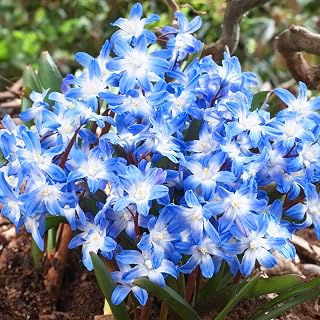
This option features a larger blue bloom footprint with a fragrant profile and a sturdy growth habit. The bulbs are sized for a more generous display in sun or partial shade and thrive in zones 2–8 with full sun to partial shade. Ideal for a bright spring carpet, naturalized areas, or containers that can showcase a bold blue presence. Caution: ensure adequate drainage to maximize bloom longevity and prevent moisture-related issues.
Who it’s best for: Gardeners wanting a bigger, fragrant blue display that fills space quickly in sunny or lightly shaded spots.
Buying Guide: Key Considerations For Blue Spring Bulbs
- Light and soil needs: Most blue spring bulbs prefer full sun to light shade and well-drained soil. Assess your site’s drainage and sunlight to choose accordingly.
- Bloom timing and longevity: Early bloomers provide quick color, but some varieties fade faster. Combine early and mid-season options for a longer display.
- Garden goals: For borders and pathways, compact bulbs with strong clusters work well; for naturalized lawns, look for mass-planting options that spread over time.
- Climate compatibility: Check hardiness zones for each bulb to ensure it matches your region (e.g., zones 2–9 coverage varies by type).
- Care and maintenance: Most bulbs need fall planting and regular moisture after planting. Avoid overwatering in winter to prevent rot in some species.
- Container planting: If growing in pots, choose bulbs suitable for containers and ensure good drainage. Some varieties benefit from early forcing indoors for bloom demonstrations.
Frequently Asked Questions
- Can blue spring bulbs naturalize in my garden?
Yes, several varieties are noted for naturalizing in suitable climates with annual blooms expanding over years. - When should I plant blue bulbs for spring color?
Plant in fall, allowing roots to establish before winter and to bloom in early spring. - Which bulbs work best for borders and pathways?
Smaller, dense clusters like grape hyacinth and blue chionodoxa are ideal for edging and walkways. - Are blue bulbs fragrant?
Some varieties have mild to notable fragrance, but bloom fragrance varies by species. - What maintenance is needed after blooming?
Leave foliage to feed the bulbs until it yellow, then trim back and prepare soil for the next season. - Can I force these bulbs indoors for early blooms?
Forcing is possible with several varieties, especially those labeled for indoor forcing, but success depends on variety and conditions.