Best Butterfly Milkweed Seed Sets for a Monarch-Friendly Garden
If you want to support monarch butterflies and create a pollinator-friendly landscape, start with high-quality butterfly milkweed seeds or plants. This guide highlights five practical selections that cater to different garden goals—from seed starters to ready-to-plant options—so you can pick the best fit for your space and climate. The top picks range from seed packets ideal for beginners to live plants for faster splash of color. They’re best for new pollinator gardens, small yards, or roadside plantings where monarch habitat is a priority.
| Product | |||
|---|---|---|---|
| Seed Needs Milkweed Seeds (5 Packs) | Seeds | Beginner seed growers; diverse milkweed varieties | Includes multiple species for pollinator diversity |
| KVITER 75 Orange Butterfly Milkweed Seeds | Seeds | Sunny gardens; quick, tall bloom | Blazing orange blooms; needs stratification |
| Fruivity Milkweed Seeds Mix (5 Varieties) | Seeds | Versatile landscapes; habitat diversity | Five distinct species for varied soils |
| Clovers Garden Asclepias Tuberosa Plants (2 Live Plants) | Live Plants | Immediate color and habitat; larger pollinator impact | Two mature plants in 4″ pots |
| Seed Needs Pink Swamp Milkweed Seeds (1 Pack) | Seeds | Wet or moist sites; monarch host focus | Good for wetlands or riverbank plantings |
Seed Needs Milkweed Seeds for Planting a Butterfly Garden
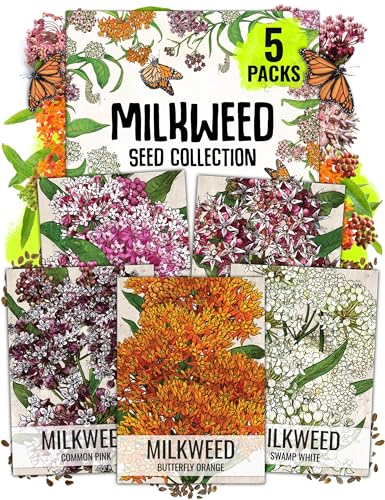
Best for gardeners starting a butterfly habitat from seed. This collection features five seed packets with Showy Milkweed, Pink Swamp Milkweed, White Swamp Milkweed, Orange Butterfly Milkweed, and Common Milkweed. It’s ideal for growers who want diversity in monarch host plants and nectar sources. Best for educational projects or mixed borders where gardeners want a monarch-friendly lifecycle continuum. Cautions include the need for stratification or proper sowing depth according to each species’ requirements.
KVITER 75 Orange Butterfly Milkweed Seeds

Best for sunny gardens that want a striking orange bloom. These seeds are described for monarch host plant use and garden vigor in USDA zones 3–11. They germinate after stratification and typically grow into a tall plant with 24-inch height, providing tall habitat and nectar. Choose this if your goal is a bold, long-flowering display that attracts pollinators from early to late summer. Limitation: may require 30 days of cold treatment before sowing.
Butterfly Orange Milkweed — Large 600mg Envelope

Best for gardeners who prefer a high-volume seed packet and quick establishment. This envelope contains over 100 live seeds focused on orange blooms that excel at attracting butterflies. The seeds are marketed for fresh germination, which can help new plots establish quickly. Better for warm, sunny sites with well-drained soil; avoid if you need compact, small-space plantings.
Clovers Garden Asclepias Tuberosa Live Plants

Best for gardeners who want immediate monarch-friendly habitat with less wait time. Two live plants in 4″ pots provide quick color and host foliage. These non-GMO, non-neonicotinoid plants are hardy and suitable for perennial borders. The plants can grow up to about 24 inches tall with dense blossoms. Caution: Live plants require careful transplanting to avoid root damage and shock.
Seed Needs Pink Swamp Milkweed Seeds

Best for wet or moist soil habitats where monarch larvae can flourish. Pink Swamp Milkweed (Asclepias incarnata) features mauve-pink flowers and tolerates full sun to partial shade. Seeds benefit from cold stratification to improve germination and can contribute to a robust monarch habitat along ponds or streams. Limitation: performance may vary with soil moisture, so irrigation may be needed in drier climates.
Buying Guide: Key Considerations For Choosing Butterfly Milkweed Seeds And Plants
- Garden goals: Do you want a quick display with live plants, or are you building a diverse seed collection to sow this season?
- Soil and moisture: Some milkweed species prefer moist soils (Pink Swamp), while others tolerate dry conditions (Butterfly Weed). Match to your site.
- Monarch strategy: For monarch support, include both host plants (milkweeds for caterpillars) and nectar sources to attract adults.
- Germination and care: Seed packets may require stratification or specific sowing depths. Live plants bypass germination but need proper acclimation after transplanting.
- Climate zones: Check USDA hardiness zones. Some plants are versatile across zones 3–11, while others may have narrower ranges.
- Site preparation: For seeds, prepare well-drained soil and, if needed, amend with compost. For live plants, loosen roots gently before planting and water consistently after transplanting.
Additional Tips For Maximizing Results
- Stagger sowing across a growing season to extend bloom times and nectar availability.
- Group monarch-friendly plants to create a contiguous habitat and easier maintenance.
- Avoid chemical pesticides that harm pollinators; opt for organic or mechanical control methods when necessary.
Frequently Asked Questions
- What is the best milkweed type for monarchs in the American landscape?
– All common monarch-host milkweeds (Asclepias species) support the lifecycle; select a mix of species to fit your climate and garden conditions. - Do seeds require stratification to germinate?
– Some species benefit from cold stratification; others germinate readily in warm soil. Follow each packet’s instructions for best results. - Are live milkweed plants easier than growing from seed?
– Live plants provide immediate habitat but require careful transplanting; seeds offer long-term cost efficiency and biodiversity across your yard. - Can I plant milkweed in containers?
– Yes, many dwarf or compact varieties adapt to large containers with well-drained soil and regular watering. - How quickly will monarchs visit a new milkweed patch?
– Monarchs respond to nectar and host plant availability; expect visits once blooms are established and nearby sources exist. - Is it important to plant multiple species of milkweed?
– Yes, multiple species provide a fuller habitat, support different life stages, and improve ecosystem resilience.