Best Camping Toilet Bags for Mess-Free Outdoor Trips
Camping and other outdoor adventures call for reliable waste management. The five bags below cover a range of approaches—from double-bag designs that keep messes contained to compostable and gel-based options that simplify disposal. Use this guide to compare capacity, materials, and how waste is handled in the field so you can pick the best fit for your campsite, RV, boat, or backcountry trek.
| Product | Brand | Capacity / Type | Key Feature |
|---|---|---|---|
| Camco Toilet Waste Bags | Camco | 10-Pack | Double-Bag Design with Biodegradable Powder; leak-proof |
| Pakimi 30 Portable Toilet Absorbent Poo Gel Set | Pakimi | 8-Gallon Bags (Gel Set) | Poo gel quickly solidifies waste; natural ingredients |
| Siewl 25 Portable Camping Toilet Bags | Siewl | 5-Gallon Bucket Bags (25 Count) | Biodegradable, Thickened 1.1 mil; leak-proof |
| 80 Portable Camping Toilet Bags | Siewl | 8-Gallon Bags (80 Count) | Thickened 1.1 mil; compostable; 21.6 x 25.6 in |
| BLIKA 40 Count Toilet Replacement Bags | BLIKA | 8-Gallon Bags (40 Count) | Compostable; 1 Mil; no polyethylene |
Camco Double-Bag Waste Bags

Camco’s Toilet Waste Bags emphasize mess-free portability with a patented double-bag design. An inner bag contains a biodegradable powder that instantly turns liquids into a gel, reducing splash and odor during disposal. The outer bag provides robust protection against leaks, making them suitable for camping, RVing, hiking, and boating. A 10-pack ensures you’ll have backups for extended trips or groups. These bags are designed to be durable and easy to carry, supporting quick, hygienic cleanup in remote locations. The combination of a leak-proof build and powder-enabled gel helps minimize spills in transit and at the campsite.
In practice, this setup supports quick packing out and straightforward disposal. The double-bag approach reduces the risk of punctures or seepage, which is especially valuable when traveling in rugged areas or aboard boats. The bags’ compact 10-pack format fits easily into glove compartments, storage bins, or camp kits. Users appreciate the mess-free workflow from collection to disposal, making these a reliable option for outdoor enthusiasts who value cleanliness and convenience on the trail or at the dock.
Pakimi Poo Gel 8-Gallon Set

The Pakimi Portable Toilet Absorbent Poo Gel Set combines bags with a dedicated absorbent gel to solidify waste efficiently. The gel can handle significant liquid waste, and the system includes bags sized for 8 gallons of capacity. Usage involves placing the bags into a portable toilet, adding the absorbent powder, and then introducing waste Liquid. The gel quickly solidifies, simplifying subsequent disposal. The product emphasizes environmental mindfulness, using natural ingredients to manage liquids while aiming to minimize environmental impact. With clear guidance—pour, wait about a minute, and seal—this option offers a straightforward routine for camping, travel, or emergency use.
Designed for broad applicability, this set is compatible with many portable toilets and is especially convenient for travelers and campers who prefer a quick, gel-based approach to waste management. The kit’s emphasis on solidification reduces handling time and mess, which can be advantageous in remote areas where disposal options are limited. The materials are described as degradable and compostable, aligning with eco-conscious goals while maintaining practical performance in the field.
Siewl 25 Portable Camping Bags

Siewl’s 25 Portable Camping Toilet Bags are designed for 5-gallon bucket toilets and emphasize eco-friendly materials. The bags are made from natural corn starch, making them biodegradable and compostable. A thickened 1.1 mil design enhances durability and load-bearing capacity (11-15 pounds) while remaining odorless and leak-proof. The packaging is compact, supporting easy storage and transport for road trips or backpacking. The bags are designed to fit most 5-gallon or 8-gallon portable toilets, with a focus on practical disposal in outdoor environments and simple handling during setup and cleanup.
Users benefit from the combination of eco-friendliness and rugged durability. The thickened material is intended to resist tearing under load, and the compostable claim supports responsible waste management in campsites. At the same time, the bags remain bulky enough to handle typical camping waste with confidence. The product’s fit for multiple toilet styles adds to its versatility for families or groups who travel with different gear across trips.
Siewl 80 Portable Camping Bags

The 80 Portable Camping Toilet Bags by Siewl deliver a high-capacity option for large groups, extended trips, or households with frequent outdoor activity. These 8-gallon bags are compostable and thickened to about 1.1 mil, providing robust strength while remaining eco-friendly. Each expanded bag measures 21.6 inches by 25.6 inches, making them compatible with many 8-gallon containers and portable toilets. The package includes 80 bags, ensuring that long trips won’t require frequent repurchases. Like other Siewl bags, the design emphasizes leak resistance and ease of disposal after use, with compostable materials intended to break down over time when buried or processed in appropriate facilities.
Practical considerations include storage and transport of a large supply, as well as ensuring a proper burial or waste-disposal option if camping in backcountry locations. The bags’ material composition supports a cleaner campsite experience by reducing odors and preventing leaks. The larger count makes them a versatile choice for families, groups, or seasonal campers who need dependable, long-lasting bags for multiple outings.
BLIKA 40 Count Replacement Bags
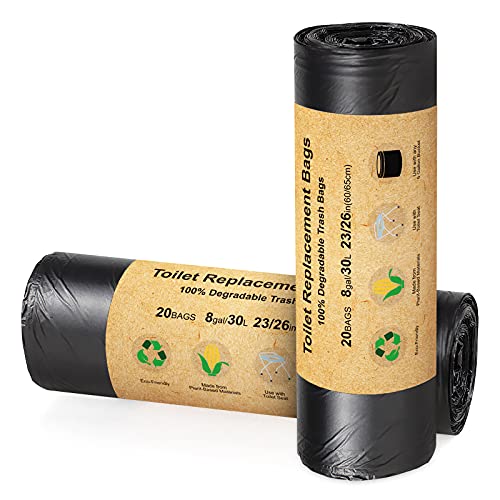
BLIKA’s 40-count replacement bags offer a compostable option designed for 8-gallon toilets. These bags are made from plant starches and contain no polyethylene, aligning with eco-friendly disposal goals. The bags measure 23.6 inches by 25.6 inches, with 20 bags per roll, enabling easy stocking and replacement. The product emphasizes no-odor, opaque black bags that hide contents and simplify cleanup. The compost-friendly claim suggests a disposal timeline of 30 to 180 days in soil, depending on conditions. This option suits campers prioritizing sustainability and straightforward disposal in appropriate environments.
In use, the thick 1-mil design provides reliable strength for everyday waste while remaining lightweight enough for travel. The bags’ no-polyethylene composition supports more eco-conscious outings, though users should confirm local disposal guidelines. With multiple rolls, these bags are a practical fit for campers who want a dependable, recyclable-friendly waste bag that works with standard 8-gallon portable toilets and backcountry setups.
Buying Guide
- Capacity and compatibility: Match bag size to your toilet—most products here fit 5- or 8-gallon systems. Consider whether you need large packs (80-count) for group trips or smaller bundles (25–40 count) for solo adventures.
- Material and environmental impact: Options include biodegradable corn starch and compostable plastics, as well as non-polyethylene formulations. If you plan to bury waste, seek bags that specify soil-degradation timelines (commonly 30–180 days).
- Thickness and durability: Bag thickness (mil) affects leak resistance. Thicker bags (1.1–1.6 mil) tend to hold up better under load, but weigh more and may be less flexible for tight spaces.
- Gel versus solidification: Gel-based sets solidify liquids quickly, simplifying handling, while dry bag designs rely on powders or other additives. Choose according to your disposal routine and environmental concerns.
- Disposal and cleanup: Double-bag designs reduce leaks; compostable bags require proper burial or composting facilities. Look for user-friendly disposal steps and clear storage guidelines to keep campsites clean.
- Pack size and portability: Larger counts are cost-effective for families, while smaller packs suit solo travelers. Consider how easily you can pack and restock bags for your typical itinerary.
- Storage conditions: Store bags in a cool, dry place away from heat to preserve integrity and prevent premature degradation.