Best Cedar Elevated Garden Beds for Easy, Back-Friendly Gardening
Finding the right cedar elevated garden bed helps you grow more with less strain. These beds raise planting above ground level, reducing bending and back fatigue while using durable cedar that resists pests and rot. This guide focuses on cedar-based designs that are sturdy, easy to assemble, and suitable for patios, balconies, backyards, and small urban spaces. The top picks below are best for busy apartment renters, DIY enthusiasts, and budget-conscious homeowners who want a long-lasting, attractive planter solution.
| Product | Dimensions (L x W x H) | Soil Depth / Capacity | Best For |
|---|---|---|---|
| Maple99 Raised Garden Bed with Legs | 48 x 24 x 30 in | 200 lb capacity | Back-friendly gardening, mixed vegetables and herbs |
| Best Choice Products 48″ x 24″ x 30″ | 48 x 24 x 30 in | Deep 16″ planting depth | Max yield with deeper soil for root crops |
| Best Choice Products 72x24x30in | 72 x 24 x 30 in | 6 legs, 8.4 cu ft space | Large, diverse plantings and dividers |
| EARTH ELEVATED 100% Canadian Cedar | 18 x 48 x 30 in | Standard elevated depth | Compact spaces, herb and decorative plant focus |
| Best Choice Products 48 x 24 x 30 Inches | 48 x 24 x 30 in | 200 lb capacity | Balanced space for vegetables and flowers |
Maple99 Raised Garden Bed With Legs

Best for back-saving gardening, this cedar bed elevates a large planting area to 30 inches. It supports up to 200 pounds of soil and plants, combining durability with ergonomic design. Cedar’s natural insect-repelling properties help reduce pest issues without landscaping treatments. The bed is paintable, allowing customization to fit outdoor décor or color schemes. Its seven-piece design emphasizes straightforward assembly for a DIY-friendly setup.
Best for: homeowners or balcony gardeners who want a roomy, back-friendly bed with natural cedar appeal. Why selected: strong load capacity, cedar durability, and easy assembly make it a versatile, long-lasting option. Caution: ensure proper drainage planning to prevent waterlogging in heavy rain.
Best Choice Products 48″ x 24″ x 30″ Raised Garden Bed

Best for maximizing depth, this bed adds 16 inches of soil room, enabling crops with deeper roots and higher yields. It uses solid fir for strength and comes with drainage that helps keep soil breathable and well-watered. While sturdy, fir is a slightly different wood family than cedar, which can matter for some buyers seeking 100% cedar.
Best for: gardeners prioritizing depth and yield in a wood bed; choosing fir offers robust structure at a lower cost. Caution: not cedar; consider cedar models if you prefer natural pest-resistance and aroma.
Best Choice Products 72x24x30in Raised Garden Bed

Best for large, multi-plant setups, this elevated bed features six legs and a divider panel, delivering a broad planting area with solid support. It’s designed to keep soil well-drained and to resist warping, a common concern in outdoor beds.
Best for: urban gardeners who want multiple sections or a large container for flowers and vegetables. Caution: significantly larger footprint may limit placement in smaller spaces.
EARTH ELEVATED 100% Canadian Cedar Bed

For compact spaces, this cedar bed focuses on a balanced, ergonomic vertical design to ease gardening tasks. Its cedar construction leverages natural durability and a soil-friendly environment, with emphasis on herb, flower, and small vegetable plantings.
Best for: balcony gardeners and small patios needing a cedar option with a refined, space-conscious footprint. Caution: check fit for indoor or outdoor use in extreme weather; cedar is durable but still needs proper protection in severe climates.
Best Choice Products 48 x 24 x 30 Inches Raised Bed
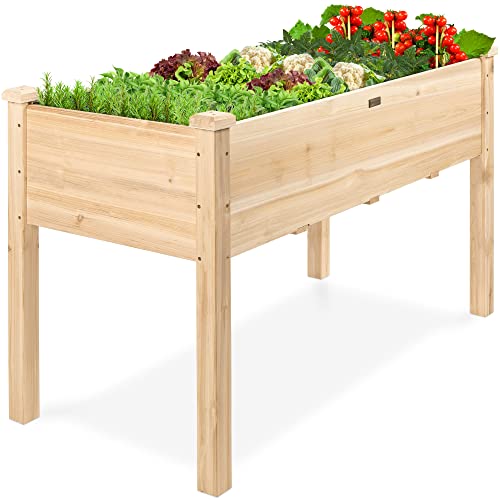
This mid-sized cedar bed provides a balanced planting area with durable, weather-resistant construction. It is designed for easy assembly and consistent performance over time, with a capacity around 200 pounds.
Best for: gardeners seeking a reliable, all-around cedar raised bed for vegetables or mixed plantings. Caution: ensure appropriate drainage to avoid standing water in heavy rain.
Buying Guide: Cedar Elevated Garden Beds
- Wood type: Cedar naturally resists insects and decay, often preferred for outdoor planters. Some models use fir or mixed wood; compare to cedar if you want 100% cedar throughout.
- Height and ergonomics: Elevations around 30 inches reduce bending. Taller beds work well for back-friendly setups, but ensure stable footing and appropriate weight distribution.
- Soil depth: Deeper beds support root vegetables; shallower beds suit leafy greens and herbs. Look for 12–16 inches or more for best results with veggies like carrots or beets.
- Drainage and liners: Built-in drainage helps prevent root rot. A waterproof liner can be included or added later to protect the wood, especially in areas with heavy rainfall.
- Assembly: Many models emphasize quick, tool-light assembly. Check the number of components and whether hardware is included to avoid mid-project delays.
- Capacity and stability: A higher weight capacity supports more soil and plants but requires sturdier construction. Corner posts and leg design contribute to long-term stability.
- Maintenance: Cedar can be painted or sealed for extra protection. If sealing, choose non-toxic finishes suitable for garden use.
- Space and placement: Measure your planting area to ensure the bed fits without blocking doors, pathways, or sunlight for nearby plants.
- Cost vs. value: Cedar beds offer durability, but some mixes use fir or other woods for cost savings. Consider your climate, sun exposure, and how long you plan to use the bed.
Frequently Asked Questions
- Are cedar elevated garden beds better than other woods? Cedar is naturally more resistant to insects and rot, which can lead to longer life in outdoor use. Compare to fir or pine if price is a primary concern.
- What height is most ergonomic for gardening? About 28–30 inches is common for back-friendly use, reducing the need to bend deeply during planting and weeding.
- Do cedar beds require maintenance? Some buyers seal or paint cedar to extend life, especially in harsh weather. Others leave it natural to age gracefully while maintaining airflow through the wood.
- How deep should soil be in a raised bed for root vegetables? Depths of 12–16 inches support carrots, beets, and radishes, while deeper beds maximize yield for larger crops.
- Is drainage important in raised beds? Yes. Proper drainage prevents soil compaction and waterlogging, promoting healthier roots and plant growth.
- Can I assemble cedar beds myself? Most cedar beds are designed for DIY assembly with straightforward instructions and included hardware, though some may require basic tools.