Best Chicken Coop Pest Control Solutions for Healthier Flocks
Answering the common search: protect your chickens and their coop from mites, lice, flies, and other pests with safe, effective options. This guide showcases five reliable products and explains who should use each one, plus practical buying tips. Ideal for backyard flock keepers, small farms, and homesteaders seeking non-toxic or plant-based pest control that won’t disrupt egg production or daily care.
Quick product overview: the table below highlights five picks, why they work, and who they’re best for. Use this as a quick reference to compare suitability for your setup and pest concerns.
| Product | Best For | Key Benefit | Limitations |
|---|---|---|---|
| First Saturday Lime Insect Deterrent 20LB | Gardens, perimeters, and chicken coops | Natural barrier that deters ants, ticks, fleas near living areas | Natural lime; follow directions around animals |
| Premo Guard Poultry Spray – 16 oz | Active infestations on poultry | Plant-based, kill-on-contact formula | May require frequent applications during active outbreaks |
| Reliant Pet Chicken Mites Treatment and Coop Sprays | Coop and birds with mite or lice issues | Plant-based, no harsh chemicals, safe around flock | Smaller bottle size; may need multiple applications |
| Prozap Garden & Poultry Dust | Direct dusting on poultry and coop areas | Permethrin dust for mites and lice | Permethrin-based; follow label for safety |
| Premo Guard Poultry Spray – 128 oz | Large flocks or frequent-treatment setups | Natural plant-based oils, broad coverage | Spray may require thorough coverage for gaps |
First Saturday Lime Insect Deterrent 20LB

Product overview: This natural barrier can be dusted around plants or applied around living areas to deter crawling insects. It forms a perimeter around homes and coop spaces to reduce intrusion by ants, ticks, fleas, and cockroaches. It is formulated for use around gardens and outdoor spaces, with safety notes that it is safe when used as directed around people, pets, and backyard chickens.
Best for: Gardeners and coop owners who want a natural, low-toxicity option for creating an insect-free zone near vegetables, herbs, and poultry areas. It’s a practical choice for monthly barrier maintenance around buildings and coops.
Why selected: It provides a straightforward, broad application approach—dust for plants and lay a perimeter for off-ground insect control—helping minimize pest movement toward poultry spaces. It’s a good fit where natural products are preferred or required by household safety rules.
Caution or limitation: Follow usage directions carefully to avoid unintended soil or plant impacts. Not a sole solution for heavy infestations; may need supplementary treatments for severe mite or fly pressure in coops.
Premo Guard Poultry Spray – 16 oz

Product overview: A natural, non-toxic spray designed for direct application on chickens, coops, nests, and runs. It targets mites, lice, fleas, ticks, and flies through essential oils proven to kill pests on contact. The formula is plant-based and claims no egg withdrawal period.
Best for: Flock keepers seeking a gentle, natural spray for active pest management, especially when eggs are being produced and minimizing chemical exposure is a priority.
Why selected: It combines direct-on-bird efficacy with coop coverage, offering a practical, scalable approach for small to medium flocks. Useful as part of ongoing prevention or during outbreaks.
Caution or limitation: Reapplication may be necessary with heavy pest pressure or environmental factors. Ensure thorough coverage of roosts, nests, and yard areas for best results.
Reliant Pet Chicken Mites Treatment and Coop Spray
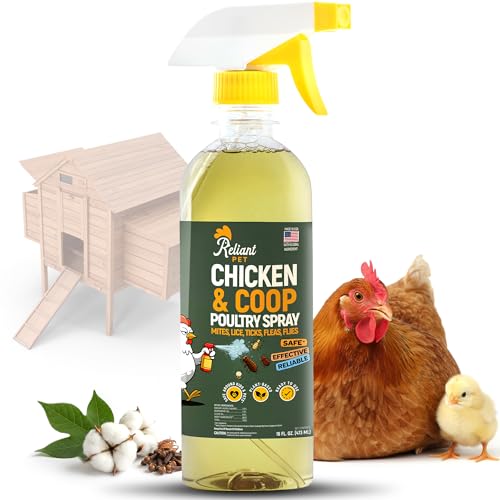
Product overview: A plant-based spray designed to kill mites, lice, fleas, and flies on contact. Safe to use around children, pets, and the flock when used as directed, and intended for use on bedding, nests, roosts, and coop areas. It emphasizes reducing risks associated with chemical-heavy treatments.
Best for: Backyard keepers who want a safer, gentler pest control option that covers both birds and coop environments without strong chemical residues.
Why selected: It consolidates multiple targets (mites, lice, fleas, and flies) into one product with a focus on safety and daily use around the home and yard. Good for ongoing maintenance as part of a preventative plan.
Caution or limitation: May require more frequent use during peak pest cycles. Always test around sensitive areas and follow label directions to ensure flock safety.
Prozap Garden & Poultry Dust For Insects, 2 Lb
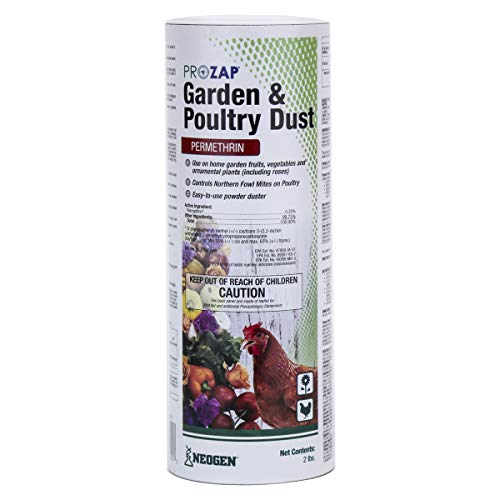
Product overview: Permethrin-based dust intended for use on poultry, garden plants, and vegetables. Contains 0.25% Permethrin and is positioned to control northern fowl mites and lice on poultry and in poultry houses.
Best for: Flocks facing persistent mite or lice problems who are comfortable with a permethrin-based option and want a dust product for direct applications to birds and surroundings.
Why selected: A dependable, traditional option for direct mite and lice control, especially where dusting is part of the routine. It complements spray-based approaches and space treatments.
Caution or limitation: Permethrin products require careful handling, rotation with other products may be wise to avoid resistance, and follow all safety directions for animal and human exposure.
Premo Guard Poultry Spray – 128 oz

Product overview: A large-volume, plant-based poultry spray designed for broad coverage across flocks, pens, roosts, nests, and runs. Emphasizes natural oils for pest control and a no egg withdrawal policy.
Best for: Large flocks or frequent pest management routines where a single bottle can service multiple applications and areas over time.
Why selected: Its size and plant-based formulation make it suitable for farmers or households with recurring pest pressures, offering scalable protection without harsh chemicals.
Caution or limitation: Ensure even distribution and target hard-to-reach areas to maximize effectiveness; may require additional measures for tough infestations.
Buying Guide: Pest Control For Chicken Coops
What should you consider when choosing products for coop pest control?
- Safety first: Prioritize plant-based or natural formulations when possible, especially around birds and eggs. Check for any egg withdrawal or label cautions.
- Active pests: Identify whether you’re dealing with mites, lice, fleas, ticks, or flies, and choose products that target those specifically.
- Application method: Dust, spray, or perimeter barriers each have different use cases. Consider coop size, accessibility, and climate when selecting formats.
- Frequency and rotation: Some products require frequent reapplication. Rotate active ingredients to minimize resistance and maintain effectiveness.
- Safety around pets and humans: If you have other pets or children, ensure products are safe for frequent exposure in and around living areas.
- Coverage: For larger coops or flocks, larger-volume sprays or multi-pack options can reduce maintenance effort.
Frequently Asked Questions
- Q: Which product is best for a small backyard flock? A: Pair a plant-based spray for on-bird treatment with a natural barrier like lime around the coop perimeter for ongoing protection.
- Q: Can I use these products around edible gardens? A: Yes, but follow label directions and avoid applying directly to edible crops unless permitted.
- Q: How often should I treat my coop? A: It depends on pest pressure; use ongoing prevention products monthly and apply more often during outbreaks as directed by the label.
- Q: Are there eggs free of withdrawal concerns? A: Some plant-based sprays advertise no egg withdrawal; verify each product’s label before use around laying hens.
- Q: Should I mix products or stick to one brand? A: Use a combination approach (on-bird spray, nest/coop treatment, and perimeter barrier) while rotating active ingredients to minimize resistance.