Best Purple Climbing Rose Climber Seeds and Plants for Stunning Vertical Blooms
Yes, purple climbing roses offer dramatic vertical color for trellises, arches, and fences. This guide highlights five top options for American gardeners seeking purple climbers, whether as seeds or live plants. Each pick targets a specific buyer type—from beginner gardeners seeking high germination to seasoned growers wanting established root stock. The table below compares the best fits at a glance.
| Product | Type | Best For | Key Benefit |
|---|---|---|---|
| 100PCS Purple Climbing Rose Seeds Rare Non-GMO Heirloom Seeds | Seeds | Budding seed starters | Rare heirloom variety with high germination prospects |
| Purple Climbing Rose Rosa Seeds Bush Vine Climber Fragrant Butterfly Rare Non-GMO Heirloom 100pcs | Seeds | Exotic color palettes | Authentic non-GMO seeds for diverse home gardens |
| 10 Purple Climbing Rose Rosa Bush Vine Climber Fragrant Flower Seeds | Seeds | Compact seed projects | Small-batch option with fragrance potential |
| Heirloom Climbing Roses, Live Own Root Plant for Outdoor Garden, Pretty in Pink Eden Climber | Live plant | Immediate climber setup | Live own root plant for robust blooms |
| 100PCS Purple Climbing Rose Seeds Rare Non-GMO Heirloom Seeds | Seeds | High adaptability | Wide climate adaptability and fast first bloom |
100PCS Purple Climbing Rose Seeds Rare Non-GMO Heirloom Seeds

These purple climbing rose seeds represent a rare heirloom variety favored for vivid blooms and a strong climbing habit. They are suited for gardeners who enjoy starting plants from seed and who have trellises, arbors, or fences ready for dramatic color. The batch is claimed to have a high germination rate, increasing the chance of a successful first season.
Who it’s best for: Seed starters and gardeners comfortable with germination and transplant timing. Better for those who want to build a climber from the ground up rather than purchasing established stock.
Why selected: The combination of rarity and non-GMO status appeals to purists seeking heirloom aesthetics in a climbing form. The high germination claim supports faster first blooms, especially when paired with a warm growing season.
Caution: Germination rates can vary by batch and climate; provide cold stratification if required by your local conditions.
Purple Climbing Rose Rosa Seeds Bush Vine Climber Fragrant Butterfly Rare Non-GMO Heirloom 100pcs

This seed kit emphasizes fragrance and rarity, suitable for gardeners who want a striking purple display with a sensory component. The seeds are non-GMO and heirloom, aligning with growers who favor traditional varieties in a bush vine climber form. It supports both seasoned and novice gardeners aiming to create a lush, flowering backdrop.
Who it’s best for: Gardeners seeking exotic color plus scent, with an interest in heirloom genetics for a nostalgic garden look.
Why selected: The combination of fragrance and rare heritage makes it a compelling choice for vertical displays that draw pollinators.
Caution: Be mindful of regional chill requirements; some purple varieties require longer warm periods to establish strong climbers.
10 Purple Climbing Rose Rosa Bush Vine Climber Fragrant Flower Seeds

These ten seeds provide a compact, budget-friendly seed project for a single-season trial. They are marketed as fragrant and purple, suitable for small spaces like balcony fences or decorative garden edges. They offer a straightforward entry point for beginners who want to test climbing tendency before committing to larger plantings.
Who it’s best for: Beginners or gardeners testing the best spot for a purple climber without committing to a larger seed batch.
Why selected: Low seed quantity allows careful planning and quick evaluation of growth habit and color in your climate.
Caution: Seed count is small; plan replacement or succession planting if you want continuous color across a season.
Heirloom Climbing Roses, Live Own Root Plant for Outdoor Garden, Pretty in Pink Eden Climber
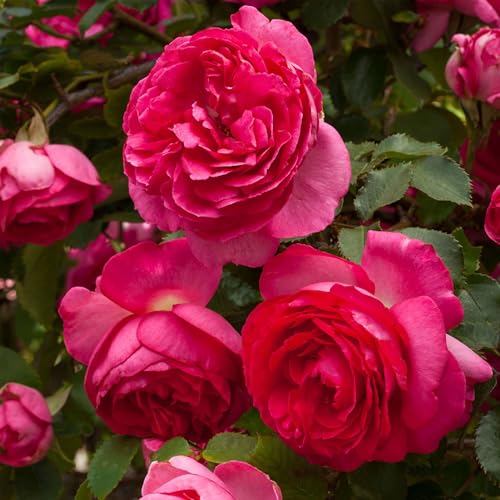
This live own root plant option provides an immediate climbing display with the Eden Climber variety. It is lightly fragrant and designed for hardiness in zones 5-9, giving gardeners a jump-start on a blooming season. Root-to-shoot vigor can lead to earlier florals compared to seed-grown climbers.
Who it’s best for: Gardeners who want a ready-to-climb plant with established root stock and quicker bloom potential than seeds.
Why selected: The live root approach reduces transplant risk and often results in more reliable emergence and flowering in the first year.
Caution: Hardiness needs matching your local zone; verify winter protection and mulch needs in colder areas.
100+ Red Climbing Rose Seeds for Planting Outdoors Ornamental Climbing Flowers Rosa Bush Vine Climber Long-Blooming

Although emphasizing red blooms, this option demonstrates the broader climbing rose category and long-blooming traits. It is suitable for gardeners who want persistent color across seasons and robust growth to cover vertical structures. The bundle encourages prolific growth and extended display on walls, fences, or arbors.
Who it’s best for: Gardeners aiming for continuous color and a vigorous climber that can overtake bare vertical spaces.
Why selected: It highlights the capacity of climbing roses to create dense floral screens and privacy walls with repeated flushes of blooms.
Caution: Bloom color expectations may vary with climate; purple-focused cultivars can differ in shade from season to season.
100PCS Purple Climbing Rose Seeds Rare Non-GMO Heirloom Seeds

This additional listing reinforces the popularity of purple climbing rose seeds with broad climate adaptability from USDA zones 4-9. It emphasizes a germination window of 14-28 days with cold treatment, and a potential first bloom around 90-120 days after transplanting. This makes it a strong fit for patient gardeners seeking a reliable, early reward from seed.
Who it’s best for: Gardeners in diverse climates who can provide proper seed pretreatment and a steady heat during the growing season.
Why selected: The broad zone adaptability and defined germination timeline help planners forecast when to expect color in the garden.
Caution: Germination and bloom timing depend heavily on local conditions and seed batch quality.
Buying Guide: Purple Climbing Rose Essentials
What to consider when selecting purple climbing roses, seeds, or live plants:
- Plant type: Seeds offer cost efficiency and selective breeding potential; live plants provide immediate coverage and bloom.
- Hardiness and climate: Check USDA zones or local winter conditions to ensure your choice survives and flourishes.
- Germination and growth: Seeds vary in germination rates and days-to-first-bloom; plan for stratification or warm-season care if needed.
- Aesthetic goals: Decide between deep purple, lavender, or purplish-red hues to match trellis or garden design.
- Fragrance and bloom habit: Some varieties emphasize fragrance; others highlight abundant flowering and rapid climbing.
- Space and support: Ensure you have sturdy trellises, arbors, or fences to support vigorous climbers and avoid damaging structures.
Frequently Asked Questions
- What is the best option for quick color on a trellis?
Choose live root plants like Eden Climber for immediate coverage and faster blooming than most seed varieties. - Are purple climbing rose seeds reliable for beginners?
Yes, but expect variability in germination and growth; follow seed pre-treatment and sowing guidelines carefully. - Do purple climbing roses require special care?
All climbing roses benefit from well-drained soil, consistent watering, and annual pruning to maintain shape and vigor. - Can these climbers attract pollinators?
Yes, purple climbing roses can attract bees and butterflies when in bloom, contributing to garden biodiversity. - Which hardiness zones are most suitable for purple climbers?
Most listed options target zones 4-9, but verify variety-specific zone recommendations before planting. - Should I plant seeds or buy mature plants for a fence?
If you want faster vertical display, choose live plants; seeds are best for budget-conscious projects with time for growth.