Best Copper Fertilizer for Plants: Essential Guide to Copper Nutrition
Copper is a crucial micronutrient that plays a key role in photosynthesis, enzyme activity, and overall plant health. When copper is deficient, plants may show stunted growth, chlorosis, and wilting. The following picks highlight copper-friendly fertilizers and copper-based products designed to help both soil and foliar applications thrive. This guide compares chelated forms, complexed copper, and copper-containing fungicides to help gardeners and growers choose the right option for their needs.
| Product | Type | Best For | Cu Availability Notes |
|---|---|---|---|
| SaferGro Biomin Copper | Liq. Copper Fertilizer | Soil & Foliar | Copper complexed with natural proteins for enhanced uptake |
| Greenway Biotech Chelated Copper EDTA | Copper fertilizer | Hydroponics & Soil | 100% water-soluble; 14% Copper (Cu) as EDTA chelate |
| MicroGenics 0.75% | Liquid micronutrient mix | Foliar application | Complexed with amino acids; EDTA-free |
| Grow Bigger Fruits & Vegetables (Copper included) | Liquid micronutrient mix | Fruiting vegetables & fruits | Contains Copper (0.69%) among others |
| Bonide Captain Jack Copper Fungicide | Copper fungicide | Disease control (organic) | Copper-based protective spray |
The following sections highlight five top options that emphasize copper delivery, absorption, and plant safety. Each product section includes a concise overview, practical usage notes, and essential considerations for choosing the right form of copper for your plants.
SaferGro Biomin Copper: Organic Copper Fertilizer

SaferGro Biomin Copper provides a quick corrective option for copper deficiencies in both soil and foliar applications. The product is OMRI Listed and CDFA Organic Listed, aligning with organic gardening standards. Its 4.0% copper complexed with natural proteins supports enhanced absorption and plant uptake, which is particularly beneficial for rapid response in copper-deficient crops. This formulation aims to strengthen plant cell walls and reduce wilting, while remaining environmentally friendly. For gardeners seeking an organic-compatible copper source, Biomin Copper offers a practical balance of effectiveness and compliance.
Usage considerations include compatibility with existing nutrient programs and timing relative to plant growth stages. For foliar use, ensure thorough coverage and avoid spraying during peak heat hours to limit leaf burn. When applying to soil, consider soil copper levels and the risk of micronutrient antagonism with zinc or iron in certain soils. Because the product is organic-listed, it can be particularly suitable for gardens prioritizing natural or organic practices.
Greenway Biotech Chelated Copper EDTA Fertilizer

This 1-pound bag of Greenway Biotech chelated copper is designed for both hydroponics and soil applications. Chelated Copper EDTA is widely used because it is highly water-soluble, allowing rapid uptake by plant roots and leaves. The product contains 14% Copper (Cu), enabling strong micronutrient provisioning with relatively small application rates. Chelation reduces the energy plants must expend to absorb copper, supporting healthier growth, robust flowering, and improved overall vigor. It’s a practical option for growers seeking predictable copper delivery in diverse growing systems.
Considerations include compatibility with hydroponic nutrient schedules and the potential for copper buildup in sensitive soils. Chelated copper can be a strong choice for crops with high copper requirements or in scenarios where fast uptake is desired. Always follow labeled directions to avoid over-application, which can lead to micronutrient imbalances.
MicroGenics 0.75% Copper-Based Foliar Fertilizer

MicroGenics 0.75% blends multiple micronutrients, including copper, into a foliar-friendly formulation. It is complexed with amino acids to promote rapid uptake and is EDTA-free, which can be preferable for growers avoiding EDTA-based chelates. The product enables precise foliar feeding, delivering micronutrients through leaves where they can quickly reach photosynthetic tissues and developing tissues. The amino-acid complex helps with leaf compatibility and uptake efficiency, potentially reducing the time to visible improvement in copper-related responses.
When applying foliar sprays, consider weather conditions to minimize evaporation and run-off, and apply during cooler parts of the day. Dilution rates should follow label instructions to prevent leaf scorch. This option is particularly useful for rapid remediation of copper deficiencies or supplementing existing nutrient regimens during key growth stages.
Grow Bigger Fruits & Vegetables: Copper-Containing Micronutrient Formula

This liquid fertilizer provides a balanced mix of essential micronutrients, including calcium, zinc, manganese, and copper, aimed at supporting stronger plant structure and improved fruiting. With 6.86% Calcium and meaningful levels of copper (0.69%), the formulation targets comprehensive nutrient needs for fruiting crops. The product is marketed to boost flowering, fruiting, and overall yield, making it a practical choice for gardeners seeking a broad micronutrient boost with copper as a key component to support metabolic processes and enzymatic activities.
Gardeners should evaluate crop-specific copper needs and the potential for interactions with other micronutrients. This product is well-suited for growers looking to support balanced nutrition across a variety of crops, including tomatoes, peppers, cucumbers, leafy greens, and fruiting perennials. Follow label guidelines for dilution and frequency to optimize uptake without oversupplying copper.
Bonide Captain Jack Copper Fungicide: Organic Copper Protection
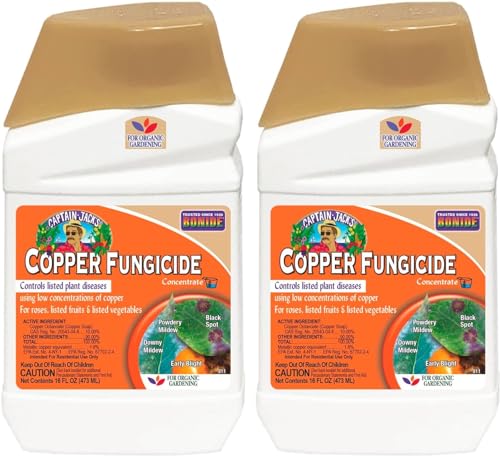
Captain Jack Copper Fungicide is a copper-based solution designed to control a range of plant diseases, including powdery mildew, downy mildew, black spot, peach leaf curl, and rust. As a disease-control product, it offers a protective copper barrier that can be used in organic gardening contexts and is labeled for use up to harvest in many cases. While primarily a fungicidal option, it highlights copper’s role in disease management alongside nutrient-focused products.
Key considerations include spray timing, coverage, and safety measures for organic gardening. Copper fungicides can be an effective component of an integrated disease management plan but should be used judiciously to avoid copper buildup in soils and potential phytotoxicity on sensitive species. Always follow label directions for compatibility with other products and for pre-harvest intervals where applicable.
Buying Guide: Copper Fertilizers And Copper-Based Products
- Form and availability: Chelated copper (EDTA or amino-acid chelates) typically offers stronger root and leaf uptake, especially in alkaline soils. Complexed copper with organic proteins or amino acids can improve absorption and reduce antagonism with other micronutrients.
- Application method: For rapid correction, foliar sprays can quickly deliver copper to leaves. For long-term nutrition, soil-applied or hydroponic formulations are valuable. Consider whether you need a copper source for foliar feeding, soil nutrition, or disease control.
- Plant needs and crop type: Copper requirements vary by plant and growth stage. High-copper crops or soils with known deficiencies may benefit from targeted applications during active growth or flowering.
- Soil and water considerations: In high-iron or high-phosphate soils, copper availability can be affected. In hydroponics, chelated forms may provide consistent uptake. Monitor copper levels to avoid micronutrient imbalances, especially with zinc and iron.
- Organic and safety considerations: OMRI-listed products are appropriate for organic gardening. For disease management, copper fungicides offer organic-compliant options but require careful timing to minimize environmental impact and resistance development.
- Rotation and compatibility: Alternate between copper sources and other micronutrients to prevent buildup and antagonisms. Check compatibility with pesticides and other fertilizers in your program.
In summary, copper-focused products span nutrient fertilizers and protective fungicides. Selecting the right form—chelated, complexed, or a fungicidal copper—depends on whether your priority is correcting deficiencies, boosting growth, or protecting plants from disease. Always follow label directions and consider soil tests or tissue analysis to tailor copper to your crops’ precise needs.