Best Coquina Shells for Landscaping and Garden Design
Coquina shells add natural color, texture, and a coastal vibe to gardens, pathways, and container beds. This guide highlights five practical options for landscaping—from decorative mulch to tiny shells for planter accents—so you can choose the right type for soil health, weed suppression, and visual appeal. The top picks are best for homeowners seeking low-maintenance, pest-resistant ground covers or decorative features that align with natural aesthetics and sustainable outdoor design.
Summary table of selected products:
| Product | Best For | Key Benefit |
|---|---|---|
| GARDENWISE Natural Organic Sea Shell Mulch | Decorative pathways and garden beds | Calcium-rich, pest-resistant mulch with natural color variation |
| Cureton Industries 40 lbs Crushed Seashells | Groundcover and pathways | Crushed shells with sand for versatile landscaping use |
| Hazel Shell Mulch Amendment | Flower beds and containers | High organic carbon, moisture retention, weed suppression |
| Blue/White/Purple Coquina Tiny Seashells | Vase fillers, aquatic accents, terrariums | Colorful tiny shells for indoor/outdoor decor |
| VINTORKY Natural Conch Shells | Aquarium landscaping and photography props | Natural conch shells for realistic coastal display |
GARDENWISE Natural Organic Sea Shell Mulch for Gardens and Landscaping
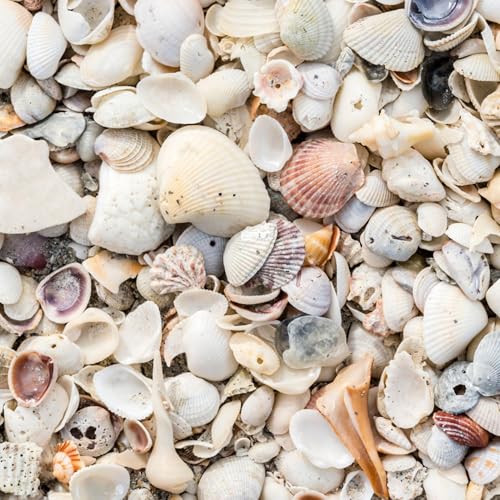
Best for: Homeowners seeking a decorative mulch that also enriches soil. The 0.5–3-inch shells provide a natural, varied look and calcium-rich minerals. This mulch is pest-resistant and long-lasting, reducing the need for chemical controls in pathways and garden beds. It’s well-suited for outdoor spaces near patios, borders, and rock gardens where a coastal ambiance is desired.
Cureton Industries 40 lbs Bucket of Crushed Seashells

Best for: Pathways, groundcover, and decorative fills where a crushed-shell texture is preferred. The product includes sand and shell fragments smaller than ½ inch, making it versatile for projects like paver bases or garden edging. Choose this for a natural, reusable material that blends with stone and soil while avoiding synthetic additives. A note: packaging is designed for easy handling and reuse, which supports sustainable landscaping practices.
Hazel Shell Mulch Amendment Product – 1.5 Cubic Foot

Best for: Beds and containers where moisture retention and weed suppression are priorities. This mulch is high in organic carbon, contributing to soil structure and long-term fertility. It’s a practical choice for ornamental plantings, erosion control on slopes, and raised beds where a natural, biodegradable mulch is desired. Limitations: color variation and shell type may differ between batches, affecting uniformity in mass plantings.
1/2 lb Coquina Tiny Seashells (Blue/White/Purple)

Best for: Vase fillers, lighting accents, and aquarium or terrarium bedding. The small size and vibrant colors make these shells ideal for craft projects or decorative displays in homes and gardens. Better for indoor uses or mixed media landscapes where subtle color pops are desired. Caution: these tiny shells can be sharp in raw form; handle with care in pets-friendly areas and around curious children.
VINTORKY Natural Conch Shells for Landscaping and Display

Best for: Aquarium landscaping, photography props, and coastal-themed displays. These conch shells provide a natural appearance that complements water features, sand beds, and beachy garden corners. They are suited for dry or humid settings where a realistic shell aesthetic is desired. Limitation: as natural shells, color and size can vary, which may affect uniformity in large installations.
Buying Guide
What should you consider when choosing coquina shells for landscaping?
- Purpose: Decorative mulch vs. decorative accents vs. planter or aquarium use. Different forms (shells, crushed shells, tiny shells, conchs) serve distinct roles.
- Soil and moisture: Some products add calcium and improve drainage; others prioritize weed suppression or moisture retention. Match to your soil health goals.
- Color and texture: Natural variation is common. For a cohesive look, limit the palette to shells with similar hues or sizes.
- Durability and maintenance: Pest resistance and weathering affect longevity. Crushed shells tend to compact differently than whole shells.
- Safety and placement: Tiny shells can be sharp; place them away from play areas if children or pets frequent the space.
Practical comparisons
- Best for long-lasting curb appeal: Gardenwise sea shell mulch, due to its natural color variation and pest resistance.
- Better for pathways and edging: Cureton crushed seashells offer versatile textures and easy integration with stone.
- Choose this for moisture retention and weed suppression: Hazel Shell Mulch provides organic carbon and soil benefits.
- Best for indoor or craft accents: Blue/White/Purple tiny seashells add color without overpowering plants.
- Best for aquarium or coastal displays: VINTORKY conch shells deliver a realistic seaside aesthetic.
FAQ
- Do coquina shells affect soil pH? Some seashell products can influence soil minerals, particularly calcium levels, which may raise pH slightly over time.
- Are these shells safe around pets? Generally safe, but avoid small, sharp pieces around curious pets; consider using larger shells in high-traffic areas.
- How much should I use for landscaping? Application depends on the project; mulch layers typically range from 1–3 inches, while decorative accents may require lighter coverage.
- Will shells attract pests? Most coastal shell mulches resist common pests; avoid adding organic shell products near living spaces in high-pest areas.
- Can shells be reused? Some crushed-shell products are reusable if cleaned and stored properly; check packaging for guidance on reuse.
- Are shells good for drainage? Shells can improve drainage in some substrates, but overly dense placement may impede water movement in compact soils.