Best Cornus Kousa Chinensis Plants for Spring Blooms and Autumn Color
Answering the buyer’s search intent, this guide highlights top Cornus kousa chinensis selections for home landscapes. These options suit gardeners who want showy spring blooms, edible fruit, and dramatic fall foliage. The best picks include a seed option from MySeeds.Co, two live plant options, and varied quantities to fit different garden sizes. The table below compares key details to help you choose quickly.
| Product | Type | Best For | Notes |
|---|---|---|---|
| Cornus kousa chinensis (Seeds) – 0.5 oz | Seeds | Gardeners starting a new tree and budget-conscious buyers | Seed option with noted growth habit and fall color |
| Milky Way Dogwood VAR. Chinensis – 24+ Inches | Live Plant | Immediate landscape impact, containers or small spaces | Live plant with year-round appeal |
| Cornus kousa chinensis (Seeds) – 1 oz | Seeds | Medium-to-large planting projects | Same variety, larger seed quantity |
| Cornus kousa chinensis Seeds – 1/4 lb | Seeds | Bulk seed planting and propagation | Higher quantity for bigger projects |
Cornus Kousa Chinensis Seeds by MySeeds.Co (0.5 oz)

Botanical Name: Cornus kousa chinensis. Growth Habit: Small to medium tree with a rounded or vase-shaped canopy and horizontally spreading branches. Flowering & Fruiting: Showy, creamy-white flowers in late spring, followed by edible pinkish-red fruits. Foliage: Dark green leaves that turn reddish-purple in fall. Adaptability: Thrives in well-drained, slightly acidic soil; suitable for hardiness zones 5-8.
- Best for buyers starting a new tree from seed and who want long-term landscape value.
- Limitation: Seed propagation takes time to establish compared with buying a ready-to-plant specimen.
Milky Way Dogwood VAR. Chinensis Seedling – 24+ Inches
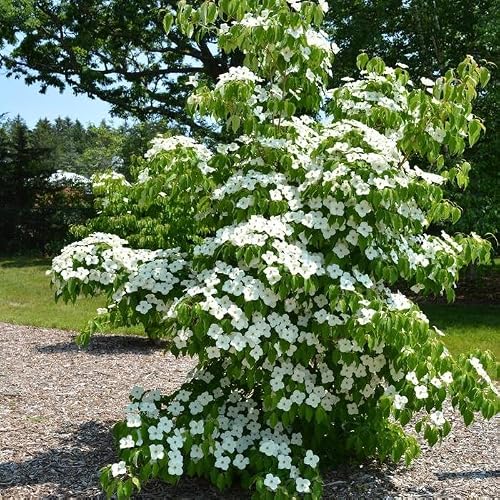
Brand: Generic. Growth: Ready-to-plant size at purchase. Features emphasize vibrant fruit, year-round landscape value, and ease of maintenance. Best for gardeners who want an immediate focal point in the yard, balcony, or patio. Caution: Live plant shipments may experience stress from transit and require proper acclimation. Best for those in suitable growing zones seeking quick color.
Cornus Kousa Chinensis Seeds – 1 oz
Botanical Name: Cornus kousa chinensis. Growth Habit: Small to medium tree with rounded/vase-shaped canopy; horizontal branches. Flowering & Fruiting: Creamy-white flowers; edible pinkish-red fruits. Foliage: Green leaves turning reddish-purple in fall. Adaptability: Thrives in well-drained, slightly acidic soil; zone 5-8. Best for gardeners who want flexibility in seed quantity and eventual size.
- Choose this if you plan multiple planting spots or future expansion.
- Limitation: Seed-grown trees may take several seasons to reach full flowering maturity.
Cornus Kousa Chinensis Seeds – 1/4 lb
Botanical Name: Cornus kousa chinensis. Growth Habit: Small to medium tree with rounded/vase-shaped canopy and spreading branches. Flowering & Fruiting: Creamy-white flowers; pinkish-red edible fruits. Foliage: Dark green leaves that redden in fall. Adaptability: Compatible with various soils, best in well-drained, slightly acidic conditions; zones 5-8. Best for bulk planting projects or larger landscape schemes.
- Better for bulk growers or community projects needing many plants.
- Limitation: Bulk seed items may require more care in germination and early growth stages.
Buying Guide
What type should you choose? If you want immediate garden presence, select the live plant options. If you’re building a landscape from scratch or working with a tighter budget, seeds offer long-term growth with careful planning. Consider your space, climate zone, and soil conditions when choosing a Cornus kousa chinensis variant.
How much should you plant? For small yards, two to four trees can establish a focal point with spring blooms and fall color. In larger landscapes, combine seeds for staggered maturity with one or two mature plants to anchor the design.
What about maintenance? These trees prefer well-drained, slightly acidic soils and zones 5-8. They tolerate a range of soils but require regular watering during establishment and moderate pruning to maintain a balanced canopy.
What are potential limitations? Seed-grown specimens take time to flower; live plants may face shipment stress; all varieties benefit from mulching and protection in extreme climates.
Key buying considerations
- Growth speed: Seeds vs. live plants, timing of bloom, and eventual size.
- Site compatibility: Sun exposure, soil drainage, and zone suitability (5-8).
- Plant form: Vase-shaped vs. rounded canopy and how it fits your space.
- Soil prep: Slightly acidic, well-drained soil tends to yield best results.
FAQ
- Q: Are Cornus kousa chinensis trees native to the US? A: They are native to East Asia and widely grown as ornamental trees in the US.
- Q: When do they bloom? A: They typically produce showy flowers in late spring.
- Q: Do they require heavy maintenance? A: They are relatively low maintenance, with regular watering during establishment and periodic pruning.
- Q: Can they be grown in containers? A: Smaller specimens can be grown in large containers with appropriate care and pruning.
- Q: What is the fall color like? A: Leaves turn reddish-purple shades in autumn, adding seasonal interest.
- Q: Are fruits edible? A: Yes, the tree bears edible pinkish-red fruits after flowering.