Best Creeping Thyme for Lawns: Top Ground Cover Seeds
For American homeowners seeking a resilient, low-maintenance lawn alternative, creeping thyme offers a fragrant, evergreen ground cover that naturally suppresses weeds and lowers mowing needs. This guide highlights five top creeping thyme options great for lawns, paths, and rock gardens. Each product brings unique strengths—fast germination, drought tolerance, or easy spread—while delivering a carpet of lavender or purple blooms. Read on to compare seed types, germination timelines, and ideal planting conditions to choose the best creeping thyme for your yard.
| Product | Brand | Notable Use |
|---|---|---|
| Home Grown Purple Creeping Thyme Seeds | HOME GROWN | Fast-establishing ground cover for paths and between pavers |
| Blue Creeping Thyme Seeds Thymus Serpyllum | Ficoszo | Hardy perennial ground cover for rock gardens and borders |
| 20,000+ Creeping Thyme Seeds Purple | Loseedsoo | Dense purple carpet for walkways and patios |
| 19500+ Creeping Thyme Seeds Outdoor-Perennial | Carpet Creeping | Dry, sandy soil-friendly, indoor/outdoor versatility |
| Flawn Seed Kits Creeping Thyme Seed Kit | Flawn Seed Kits | Easy spread kit for low-maintenance flowering lawn |
Home Grown Purple Creeping Thyme Seeds
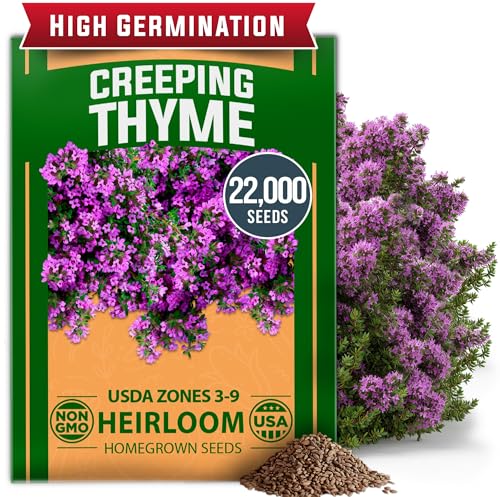
This option is designed for gardeners who want a lush, aromatic ground cover with minimal effort. The seeds germinate in about 14–21 days, making it ideal for beginners. After sowing, a light watering routine supports establishment, with ongoing maintenance kept to a minimum. The creeping thyme forms a dense mat, a welcome addition for sunlit areas between pavers or along garden paths. Its fragrance emerges when walked upon, adding sensory appeal to high-traffic zones. The plant is perennial and non-GMO, enhancing garden texture with vibrant foliage and edible herb qualities.
- Germination in 14–21 days; suitable for beginners
- Low maintenance: sow, water lightly, and enjoy fragrance
- Ideal between pavers, along paths; tolerates foot traffic
- Transforms patios with a dense, vibrant ground cover
Blue Creeping Thyme Seeds Thymus Serpyllum

This seed set emphasizes a robust, hardy perennial variety native to Europe and North Africa, suitable for a range of garden styles. It offers a flexible planting timeline—indoors 6–8 weeks before the last frost or directly outdoors in spring. Because the seeds are tiny, the shaker method or mixing with sand or peat helps spread evenly. Keep soil consistently moist during germination; the process benefits from light exposure and cool, damp conditions for the initial 30 days. Once established, creeping thyme thrives in rock gardens, borders, walkways, and between stepping stones, delivering a charming ground cover with subtle fragrance.
- Hardy perennial Thyme Serpyllum tradition
- Indoor sowing 6–8 weeks before last frost or direct sow
- Small seeds; use shaker method with sand or peat mix
- Prefers moist soil during germination and light for 30 days
- Ideal for rock gardens, borders, walkways, and between pavers
20,000+ Creeping Thyme Seeds Purple

Designed to deliver a vivid purple ground cover quickly, this option packs over 20,000 non-GMO seeds in a resealable pouch. The purple creeping thyme spreads into a soft, lavender bloom carpet, creating an appealing aesthetic for walkways, borders, patios, and rock gardens. The plant is drought-tolerant and low-maintenance, thriving in full sun with minimal watering. This makes it a practical choice for busy gardeners who want a striking lawn substitute with reduced upkeep and water needs. The sheer seed count supports rapid establishment and a dense final appearance.
- Over 20,000 non-GMO seeds per pouch
- Vivid purple ground cover that spreads fast
- Drought-tolerant and easy to grow; ideal for sun-drenched areas
- Great for walkways, borders, patios, and rock gardens
Creeping Thyme Seeds Outdoor-Perennial

This batch emphasizes versatility and soil adaptability, signaling a strong fit for dry, sandy soils and low-water landscapes. The seeds describe a robust perennial that handles outdoor conditions well, with an indoor alternative for gardeners who prefer windowsill herb cultivation. While the information highlights beneficial biodiversity effects, the core value for lawns is the ability to establish a low-maintenance, drought-tolerant ground cover that reduces mowing frequency and improves garden health over time. It suits sun-drenched lawns and areas needing water-smart landscaping.
- Thrives in dry, sandy, well-drained soils
- Can be grown indoors or outdoors with ample sunlight
- Supports biodiversity and garden health through flowering edges
Flawn Seed Kits Creeping Thyme Seed Kit
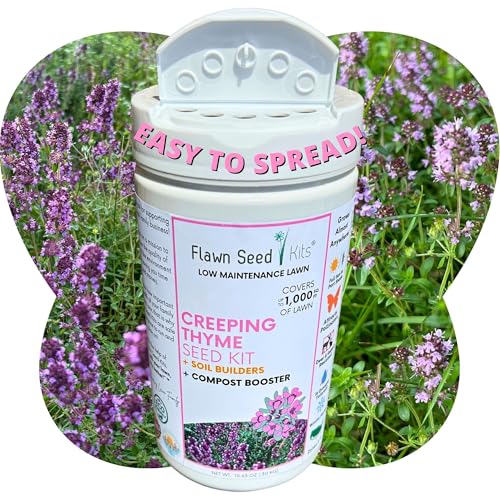
The Creeping Thyme Seed Kit is designed for a straightforward flowering lawn journey. You don’t need to remove existing grass—simply mow very short, hand-spread the seed into the lawn, water, and watch it grow. The kit emphasizes a family-friendly, pet-friendly approach, attracting pollinators and potentially reducing your lawn’s carbon footprint. Once established, these flowering lawns require less mowing and watering, especially during extended droughts, offering a practical path to a vibrant, low-maintenance landscape thatstill supports ecological benefits.
- No lawn removal required; easy spread into existing grass
- Kid- and pet-friendly; supports pollinators
- Lower mowing and watering needs once established
Buying Guide
Seed Type And Establishment
Choosing between single-seed options and seed kits depends on your preferred planting approach. Seed-heavy options deliver dense coverage once established, with germination windows typically spanning 14–30 days under optimal conditions. Seed kits offer an all-in-one method, often including a spread tool or simplified spread process, which can help ensure even distribution across lawns. If you want to minimize preparation, consider a kit; for precise control over density and color, go with bulk seeds.
Soil, Water, And Sun Requirements
Creeping thyme generally prefers well-drained soil and ample sunlight. Drought-tolerant varieties thrive with modest watering once established. Early germination benefits from consistent moisture; avoid waterlogged conditions during establishment. For shady spots, test a few varieties to identify those with lower light requirements, though most creeping thyme performs best in sunny, open areas that receive several hours of sun daily.
Germination Times And Establishment
Germination times vary by product. Some seeds start to sprout in as little as 14–21 days, while others require longer, especially if kept cool and evenly moist. Slow or staggered germination is common for tiny thyme seeds, which may benefit from gentle topping with a light soil or peat layer to help retain moisture and provide consistent light exposure during the critical first month.
Foot Traffic, Aesthetics, And Maintenance
One of creeping thyme’s main appeals is tolerance to foot traffic when established. It forms a low-growing mat that softens hardscapes and releases fragrance underfoot. Maintenance is typically modest: regular mowing is reduced, and irrigation can be minimized after establishment. If color variety is important, note whether the chosen variety blooms purple or blue and how quickly the ground cover fills in gaps between stones or pavers.
Design Considerations And Planting Steps
Plan where you want the ground cover: between pavers, along pathways, or as a lawn substitute. For faster initial coverage, select a seed lot with a higher seed count and ensure even distribution. If using a kit, follow the spread instructions, and consider using a light top layer of soil or compost to secure seeds and promote germination. For best performance, space plants based on mature width and allow for the creeping habit to fill in gaps over several growing seasons.
Choosing The Best Option For Your Yard
Identify your climate, soil type, sun exposure, and desired speed of coverage. If you want immediate, well-structured density, rely on high-seed-count options and ensure consistent moisture during germination. If convenience matters most, a seed kit with a spreader approach can shorten setup time and simplify maintenance. All highlighted options provide perennial, low-maintenance ground cover with fragrant blooms that enrich American lawns and paths alike.