Best Crepe Myrtle Plants for Zone 10 Gardens: Bright Color, Dwarf or Tall Varieties
Best picks for Zone 10 gardeners seeking reliable crepe myrtle performance, year‑round interest, and manageable sizes. This guide targets buyers wanting dependable bloom, rapid growth, and suitable options for hot southern climates. The top five selections below are ideal for warm regions, with notes on size, bloom color, and placement. Whether you need a compact focal point or a tall specimen for privacy, these choices cover a range of garden needs.
| Product | Best For | Approx. Size/Group |
|---|---|---|
| Natchez Crape Myrtle (DAS Farms) | White bloom, fast-growing focal tree | 1 ft tall shipped; grows taller in ground |
| Muskogee Crape Myrtle (Crape Myrtle Guy) – Bundle of 4 | Privacy or screening with purple blooms | Quart containers; mature 20–25 ft |
| Tonto Crape Myrtle (Southern Charm) | Compact, fast-growing dwarf form with dark red blooms | 3–4 ft tall shipped; matures 8–10 ft |
| Acoma Crepe Myrtle (Crape Myrtle Guy) | White blooms; versatile for small landscapes | Quart containers; 1–2 ft tall shipped |
| Dynamite Crepe Myrtle (Crape Myrtle Guy) | Bright red blooms; strong summer color | Quart containers; 1–2 ft tall shipped |
Natchez Crape Myrtle – White Bloom

The Natchez cultivar is a fast-growing white-flowering tree suited for Zone 7–10 with full sun. The plant ships at about 1 foot tall and is ready to plant upon arrival. It’s a good choice for gardeners who want a tall, showy specimen once established and who prefer white blooms as a focal color.
Best for: yards needing a bright, clean white bloom and a quick vertical presence. Better for: warm climates with long growing seasons. Caution: deciduous habit means it will lose leaves in winter in cooler parts of its range.
Muskogee Crepe Myrtle – Purple Blooms (Bundle of 4)

These Muskogee trees come as a bundle of four in quart containers, with a mature size around 20–25 feet tall and 15–20 feet wide. They feature lavender-purple blooms and a classic upright form, thriving in Zone 7–10 with full sun. The fibrous root system supports strong establishment from container stock.
Best for: creating a vertical screen or a private backdrop in a sunny garden. Better for: larger landscapes where multiple trees can form a cohesive row. Caution: mature size may require eventual pruning to maintain shape in smaller spaces.
Tonto Crepe Myrtle – Dark Red, Dwarf Form

The Tonto cultivar offers a compact, fast-growing dwarf tree, maturing to 8–10 feet tall and wide. It produces deep watermelon red blooms from summer into fall and is well suited for small gardens or container gardens. Best for: small landscapes needing color and structure without crowding space. Caution: blooms are vibrant, but plant may need supplemental irrigation until established in hot zones.
Acoma Crepe Myrtle – White Blooms
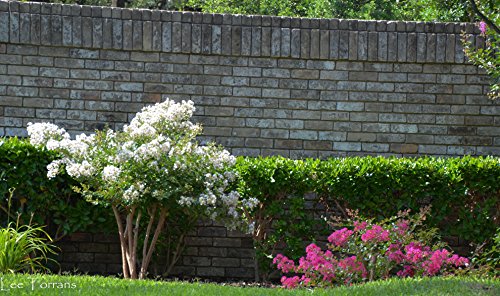
Acoma crepe myrtle trees arrive in quart containers, growing 5–10 feet tall when mature. They bloom all summer with white flowers and feature a fibrous root system, making them a good gift option or a versatile addition to mixed borders. Best for: filling mid-level garden space with bright, airy blooms. Caution: shipped as 1–2 foot plants; some patience needed for full canopy development.
Dynamite Crepe Myrtle – Deep Red Blooms

Dynamite crepe myrtles offer striking deep red blooms all summer, maturing to 10–20 feet tall and wide. Shipped in quart containers at about 1–2 feet tall, they establish quickly and form a dense, flowering hedge or specimen. Best for: high-visibility color in larger borders. Caution: color intensity may vary with climate and soil moisture.
Buying Guide: Key Considerations For Zone 10 Crepe Myrtles
- Bloom Color And Season: Zone 10 gardeners typically enjoy long bloom windows. Choose colors that complement existing plantings and consider whether you want a dwarf or tall specimen for scale.
- Size And Spacing: Dwarf varieties fit small yards or containers; tall forms work as focal points or privacy screens. Plan for eventual mature height and spread to avoid overcrowding.
- Sunlight And Soil: Most crepe myrtles prefer full sun. Ensure well-drained soil and consistent moisture, especially during establishment in hot climates.
- Root System And Establishment: Plants shipped in quart containers with fibrous roots establish quickly but will benefit from proper watering and mulching during the first growing season.
- Maintenance Needs: Pruning should be done after bloom to preserve shape and flowering. Debeardling or thinning may be necessary for dense canopies, depending on variety.
- Longevity And Trouble Spots: Crepe myrtles are generally hardy in Zone 10 but watch for winter heat stress in unusual cold fronts and for soil moisture during peak heat periods.
Frequently Asked Questions
- What is the best crepe myrtle for Zone 10 yards? The best choice depends on space and color preference; Tonto for small spaces, Natchez for white bloom focal points, and Dynamite for bold red color in warmer climates.
- Do crepe myrtles require a lot of water in hot climates? They prefer regular watering while establishing but become relatively drought-tolerant once mature; mulch to retain soil moisture.
- When should I prune crepe myrtles? Prune after flowering to shape the new growth while preserving next season’s bloom.
- Are crepe myrtles safe for containers? Yes, many varieties can be grown in large containers with adequate root space and consistent watering.
- Will these plants lose leaves in winter in Zone 10? They may drop some foliage in the coldest weeks; in Zone 10, many will retain more leaves than in cooler zones, but some deciduous behavior can occur.
- Which variety grows tallest? Muskogee and Dynamite can reach taller mature heights, while Tonto is ideal for compact landscapes.