Best Dark Red Climbing Roses for Outdoor Ambience and Garden Privacy
Looking for dark red climbing roses that deliver strong fragrance, large blooms, and reliable growth? This guide highlights five top Amazon options suited for sunny walls, arbors, and garden borders. Whether you want a bold fragrance for a sunny patio or a dramatic vertical display to cover a trellis, these selections balance beauty with practical growing considerations. This overview helps buyers identify who each product is best for and why it stands out, with clear notes on limits to consider.
Product Comparison at a Glance
Best for: Gardeners seeking immediate impact with live plants in established zones.
- Ma Cherie Roses – Don Juan red climbing roses live plants — Strong fragrance, large blooms, 2-quart pot
- Red Eden Climbing 1.5 Gal Rose Plant Live — Fragrant reblooming red flowers, own root climber
- Heirloom Climbing Roses, Red Eden (Live Own Root) — Very fragrant, continual blooming, zones 6-10
- Heirloom Climbing Roses, Arborose Florentina (Live Own Root) — Moderately fragrant, continual blooming, zones 5-10
- Red Don Juan Climbing Rose Plant Live — Fragrant red rose vine, 4-6 inch tall, suitable for gardens
Ma Cherie Roses – Don Juan Red Climbing Roses
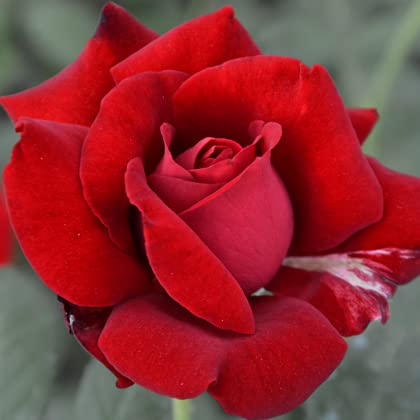
Category: Live climbing rose plant. Features dark red color, strong fragrance, large blooms. Best for gardeners wanting a dramatic, scent-rich focal point on a trellis or arch. This option is ideal for sites with full sun and well-drained soil. A caution: the plant may need steady moisture during the establishment phase and support to climb securely on a structure. Selection reason: immediate garden impact with classic dark-red blooms and a bold fragrance profile.
Red Eden Climbing Rose Plant — Own Root
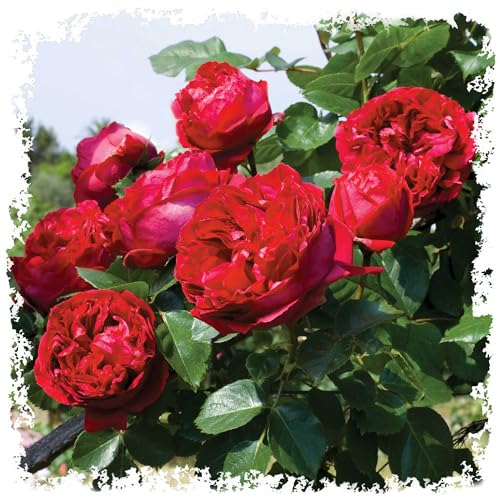
Category: Own-root climber with fragrant red flowers and repeated rebloom. Best for walls, arbors, fences, and screening. Grows to about 10-12 feet tall and 8-10 feet wide; zones 5–9. This plant is suited for gardeners who want a hardy, self-rooted climber that fills space without grafted variability. Caution: own-root plants may take longer to establish than grafted varieties in some environments. Why chosen: classic old-English-rose fragrance and reliable repeated bloom make it a standout for fragrance and screen purposes.
Heirloom Climbing Roses – Red Eden (Live Own Root)

Category: Live own-root plant with high fragrance and continual blooming. Hardiness zones 6-10. Plants arrive 12–16 months old in a 1-gallon container with rich soil. Best for gardeners seeking a robust, long-blooming climber capable of covering walls or arches. Caution: may require winter protection or zone-appropriate planning in colder seasons. Why chosen: strong fragrance combined with persistent bloom makes it a solid match for fragrance-focused garden zones.
Heirloom Climbing Roses – Arborose Florentina (Live Own Root)
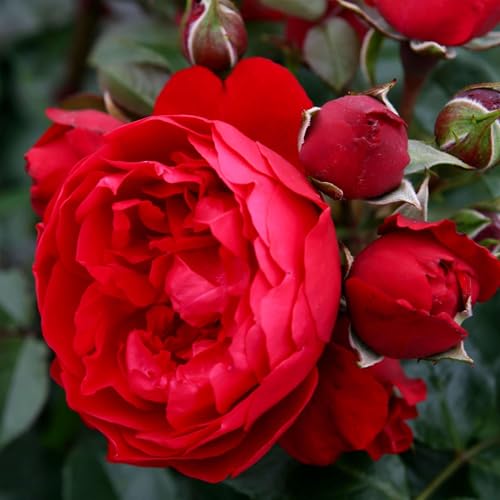
Category: Moderately fragrant with continual blooming. Zones 5-10. Grown as a live own-root plant at 12–16 months old, in a 1-gallon container with rich soil. This variety suits buyers who want a dependable climber with steady color and a moderate fragrance. Caution: fragrance is milder than some stronger-edged red climbers. Why chosen: offers a balanced fragrance level with reliable blooms for layered garden designs on arches or fences.
Red Don Juan Climbing Rose Plant — Fragrant Red Vine

Category: Fragrant red rose vine suitable for outdoor gardens. Zones 5–9. The plant is medium tall with a strong fragrance, and it thrives with well-drained loamy soil and moderate watering. Best for gardeners who want a green backdrop with a vivid red bloom. Caution: ensure ample sunlight and consistent moisture during establishment. Why chosen: classic climber appeal with strong fragrance and reliable growth in suitable zones.
Seeds Of Strength — Red Climbing Rose Seeds

Category: Seeds for ornamental climbing roses. Best for DIY growers who prefer starting from seed to gradually develop a climber. This option provides long-blooming red flowers with potential for privacy screens and living fences. Caution: growing from seed requires more time and care to achieve mature, flowering climbers. Why chosen: offers a cost-effective route to building a red climbing rose display over multiple seasons.
Buying Guide: What To Consider Before You Buy
- Growing Zone and Hardiness — Match the plant’s hardiness to your USDA zone to ensure winter survival and spring vigor.
- Root Type — Own-root roses tend to establish quickly and produce robust blooms, but may require more initial care; grafted plants can be sturdier in some urban soils.
- Fragrance and Bloom Pattern — If fragrance is a priority, choose varieties noted for strong scent and continual flowering throughout the season.
- Space and Training Needs — Measure the height and potential spread to ensure the rose can cover your trellis, arch, or wall without overpowering nearby plants.
- Soil and Water — Most roses prefer well-drained loamy soil and moderate, consistent watering; adjust irrigation based on climate and container versus in-ground planting.
- Sunlight Requirements — Likely 6+ hours of direct sun per day; shade can reduce blooming and fragrance intensity.
- Maintenance Needs — Consider pruning, deadheading, and disease monitoring as part of ongoing care for climbing roses.
Quick Buyer Tips
- For instant impact and fragrance in a sunny corner, select live own-root or grafted climbers with a history of robust blooms.
- If you prefer a low-maintenance start, choose established 1–2 gallon containers with mature canes and clear support structures.
- To screen a space quickly, pair two or more vines on a trellis or arch for a fuller appearance and better privacy.
FAQ
- What is the difference between own-root and grafted climbing roses?
Own-root roses grow entirely from their own root systems, often offering strong hardiness and faster re-establishment after pruning. Grafted roses may provide vigor and disease resistance, depending on the rootstock. - Which roses are best for a fragrant border?
Red Eden and Red Don Juan varieties are highlighted for their strong fragrance among climbing types. - How tall do these climbing roses typically grow?
Most climbing roses on this list reach 8–12 feet tall, with some varieties able to extend farther under optimal conditions. - Do these plants require special soil?
Well-drained loamy soil is commonly recommended; adjust watering and soil amendments for your climate and container versus in-ground planting. - Can I grow these roses in containers?
Yes, many varieties adapt to large containers with proper soil preparation, fertilizer, and regular watering. - When is the best time to prune climbing roses?
Pruning schedules vary by variety, but late winter to early spring is a common window for many climbers, depending on local climate.