Best Deer Protection for Plants: Top Solutions to Shield Your Garden
Protecting your plants from deer requires a mix of deterrents and barriers. This guide highlights proven products that help preserve perennials, shrubs, and vegetables without harming wildlife or the environment. Explore options ranging from repellents with strong scents to durable netting and protective wraps designed for winter months and tender bark. The following picks are among the most relevant for American gardens facing deer pressure, offering practical, field-tested protection for a variety of plant types.
Summary of Selected Products
| Product | Brand | What It Does | Best For |
|---|---|---|---|
| I Must Garden Deer Repellent: Mint Scent | IMUSTGARDEN | Natural ingredients with powerful botanical oils to deter deer; safe for plants | Perennials, annuals, shrubs, vegetables |
| Feitore Deer Fence Netting | Feitore | Heavy-duty mesh barrier to physically block deer and other animals | Gardens, fruit trees, berries |
| ANPHSIN Tree Protector Wrap | ANPHSIN | Breathable wrap to shield trunks from deer damage and cold | Saplings and young trees |
| UCandy Tree Protector Wrap | UCandy | Durable, breathable wrap to protect bark from winter damage | Small trees, fruit trees, shrubs |
| REMIAWY Plant Covers | REMIAWY | Fabric covers reduce deer, rabbits, and birds while allowing air and moisture | Shrubs, small trees, potted plants |
I Must Garden Mint Scent Deer Repellent

The I Must Garden Deer Repellent uses natural ingredients combined with mint oils to create a strong scent that deer find irritating. This ready-to-use spray is designed to be applied directly on a wide range of plants, including perennials such as hostas and roses, as well as vegetables. The product is marketed as safe for direct application on plants, offering a straightforward approach for gardeners seeking a deterrent without complex setups.
Key considerations include its long-standing professional use in public settings, which suggests reliability in local garden environments. Users should follow label directions for reapplication after rain and consider combining with physical barriers in high-traffic areas to extend protection. The mint scent is noticeable but tends to fade over time, necessitating periodic reapplication for consistent results.
Feitore Deer Fence Netting
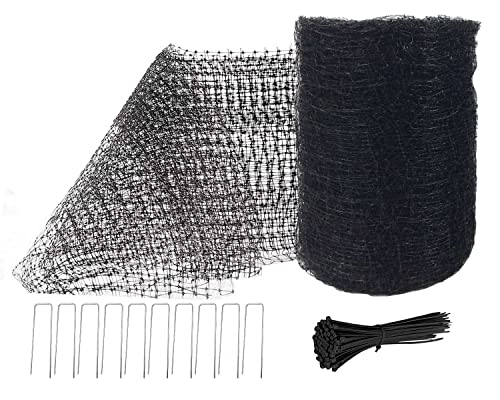
The Feitore deer netting provides a physical barrier designed to prevent deer from accessing plants, fruits, and vegetables. The netting comes in a lengthy 7 x 100 feet roll with a 3/4-inch square mesh. Accessories include installation nails and cable ties for quick setup. The material is polypropylene, which resists tearing, rust, and rot, making it reusable for longer protection. Users can also repurpose the netting as bird or rabbit barriers, depending on need.
Pros include a simple, scalable installation and a broad protective area. Potential considerations are ensuring the mesh size is appropriate for the target species and maintaining tension to avoid gaps. The netting is best used as a primary physical barrier in combination with repellents or wraps for comprehensive protection in high-deer-pressure zones.
ANPHSIN Tree Protector Wrap

ANPHSIN offers a two-roll tree protection solution, each roll around 65 feet long and 4.7 inches wide. The wraps are made from breathable non-woven material, designed to shield trunks from sun damage and cold while allowing moisture exchange. This makes them suitable for saplings and young trees that deer often target. The breathable fabric supports healthy growth by reducing stress from environmental extremes while providing deer deterrence at the trunk level.
Evaluation points include ease of installation, cut-to-fit flexibility, and the wrap’s reusability across seasons. Gardeners should verify fit around varying trunk diameters and consider combining with other protective methods for larger trees or heavy deer pressure zones.
UCandy Tree Protector Wrap

UCandy offers a single 132-foot roll of breathable tree trunk protection wrap. The fabric is 130 grams per square meter, delivering durability while maintaining airflow to prevent moisture buildup. The wrap supports multiple functions, including frost protection and shielding bark from deer damage. It is positioned as suitable for most trees, including fruit trees and shrubs, and is particularly helpful for newly transplanted specimens that require a stable microclimate during establishment.
Considerations include the wrap’s length for larger trees and the ease of securing it during windy conditions. The breathable design aims to balance protection with plant health, reducing the risk of bark cracking in cold weather while deterring deer contact.
REMIAWY Plant Covers

REMIAWY shrub covers are reusable, breathable foils designed to protect branches, buds, and fruits from a range of threats, including deer, rabbits, worms, and birds. The covers provide a microclimate that helps plants overwinter and survive deep freezes, trapping warmth near the plant while allowing air and moisture to reach it. A zipper and drawstring help ensure a snug fit, reducing gap openings that deer might exploit. The jacket-style design is suitable for shrubs and potted specimens alike.
Practical considerations include fit across plant sizes, ease of removal for routine care, and ensuring adequate ventilation to prevent mold or overheating. These covers are most effective when used as part of a layered approach in gardens with persistent browsing pressure.
Codree Deer Netting For Shrubs

Codree provides a 7.8 x 7.8 ft deer netting cover split into three pieces per package, offering an easy-to-use solution for protecting undershrub areas. The netting features a drawstring for secure closure around plants, helping to keep nets in place during wind or heavy rain. The fabric’s air permeability allows sunlight and moisture to reach the plant while keeping deer, birds, rabbits, and other critters at bay.
Key considerations include ensuring full coverage of targeted plants and routine checks to prevent gaps. The flexible design makes it a strong option for protecting multiple shrubs or small trees without constructing rigid barriers.
Enviro Protection 1025 Deer Scram

Deer Scram by Enviro Protection Industries is a concentrated deterrent marketed as a 25 lb bucket. While primarily used as a granular repellent, it offers another pathway for homeowners facing persistent deer browsing. The product is typically applied around the drip line of plants and perimeters to create a scented barrier that deer avoid. As a bulk option, it suits larger landscapes or farms where deer pressure is significant and frequent reapplication is feasible.
Observations to consider include application frequency, weather-responsive efficacy, and storage considerations for the bucket format. It is often used in combination with fencing or wraps for enhanced protection in high-density deer zones.
CKUKARM 24 Pack Deer Repellent

CKUKARM offers a humane repellent set featuring mint-based scents designed to deter deer and rabbits without harming plants, pets, or people. The product is formulated using peppermint and garlic oils, emphasizing safety and effectiveness across gardens, lawns, and orchards. The system is simple to deploy—place the deterrent balls into a mesh bag, then hang them on trees or position them near vulnerable plants. Coverage is marketed to reach up to about 120 square feet per device, making it suitable for targeted protection in medium-sized gardens.
Practical usage notes include regular replacement for sustained efficacy, especially after rainfall, and consideration of integrating with netting or wraps for multi-layered defense in high deer activity areas.
Buying Guide: Key Purchase Considerations
- Guard type: Choose a mix of physical barriers (netting, wraps) and deterrents (sprays, granular scrams) to address different plant types and deer behaviors.
- Plant compatibility: Ensure repellents are labeled for use on the specific plants you’re protecting (perennials, shrubs, vegetables, or fruit trees).
- Coverage and scale: Larger gardens may require bulk repellents or longer netting runs; assess area and plan for future expansion.
- Durability and reuse: Reusable wraps and nets offer long-term value in seasons with recurring deer pressure.
- Installation ease: Look for user-friendly setups with clear hooks, ties, or zippers to minimize labor during deployment.
- Ventilation and plant health: Choose breathable materials to prevent moisture buildup and ensure air circulation around protected plants.
- Weather resilience: Consider how products hold up to rain, wind, and temperature fluctuations to maintain protection over time.
- Non-target safety: Opt for humane repellents and non-toxic materials that minimize risk to pets, kids, and wildlife.
- Maintenance: Plan for reapplication schedules for repellents and periodic checks on barriers to maintain continuous protection.
- Combination strategies: For best results, use multiple methods (repellent plus barrier) in conjunction with garden layout planning to reduce deer access.