Best Deer Resistant Perennial Wildflower Seeds for Pollinator Gardens
Answer: If you want a drought-tolerant, deer-resistant wildflower mix that supports pollinators year-round, this guide highlights five top options and explains who each is best for. The selections focus on blends that emphasize perennial varieties or long-lasting blooms, while keeping deer pressure in mind. Ideal buyers include homeowners seeking low-maintenance borders, pollinator gardeners aiming for lasting color, and landscape planners designing deer-tre]+at friendly plantings.
Summary table of chosen products
| Product | Best For | Note |
|---|---|---|
| Eden Brothers Deer Resistant Wildflower Mixed Seeds | Pollinator lovers; front-yard color | Includes 13 species; zones 3-10 |
| Outsidepride Deer Proof Wildflower Seed Mix | Deer-prone areas; partial shade | Deer-proof, drought-tolerant |
| Eden Brothers Deer Resistant All Perennial Wildflower Mixed Seeds | Year-round perennial color | 15 species; zones 3-10; all perennial |
| Seed Needs Wildflower Seed Deer Resistant | Heirloom, diverse perennials | 16 species; 2 oz packet |
| Beauty Beyond Belief Deer Resistant Wildflower Seeds | Open-pollinated mix; year-round blooms | 1 oz packet; annuals & perennials |
Eden Brothers Deer Resistant Wildflower Mixed Seeds

This mix is designed for broad appeal to pollinators while resisting deer pressure. It combines 13 easy-to-grow species, including yarrow, foxglove, and purple coneflower, suitable for 250–500 square feet of ground cover. Best for homeowners who want a colorful, bee- and butterfly-friendly border that stays manageable across zones 3 through 10. The blend is non-GMO with no fillers and aims to attract a steady stream of pollinators from spring through fall.
Who it’s best for: gardeners seeking a large, diverse flowering display with pollinator value and deer resistance in sun to partial shade. Why selected: it offers a balanced mix of perennials and attractive biennials/annuals that provide ongoing color and habitat.
Caution: Mixing includes annuals in a primarily perennial emphasis; some blooms may be shorter-lived in extreme conditions. Ensure adequate sun exposure for best results.
Deer Resistant Wildflower Seeds (2oz) Hardy Garden Flowers
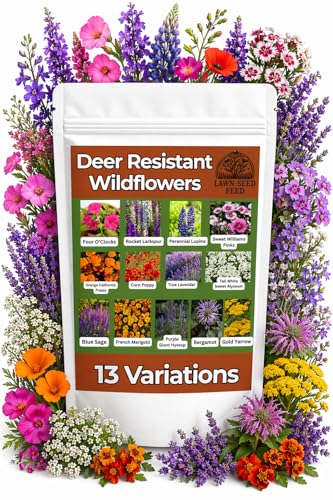
This 2-ounce pouch emphasizes deer resistance with a vibrant, diverse bloom palette designed to attract pollinators. The packaging emphasizes freshness and long shelf life, aiming for reliable germination. Best for gardeners who want a resealable package for storage and who value a broad color range to span the growing season. The mix is designed to attract butterflies, bees, and hummingbirds while deterring deer when planted in suitable sun.
Who it’s best for: buyers prioritizing seed freshness and a broad pollinator appeal. Why selected: a compact 2-ounce bag that supports continuous color and pollinator visitation throughout spring to fall.
Caution: Open-pollinated varieties may include some annuals; check germination expectations in cooler climates.
Outsidepride Deer Proof Wildflower Seed Mix
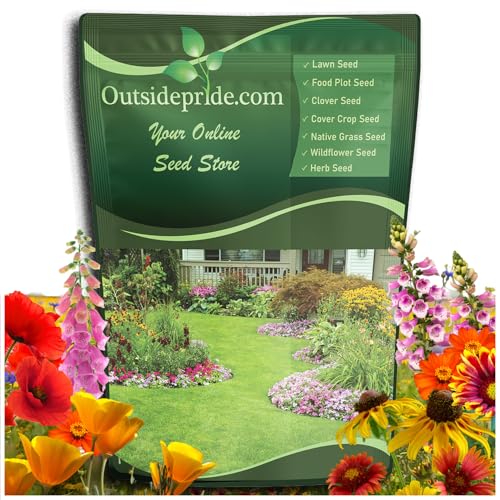
This 1-pound mix is marketed as deer-proof and drought-tolerant, featuring varieties like lupine and foxglove. Best for homeowners and landscapers needing a resilient, low-maintenance meadow or border. It performs well in partial shade and multiple climates, with a goal of attracting pollinators while reducing deer damage.
Who it’s best for: those in deer-prone yards seeking a long-lasting color display with relatively low care needs. Why selected: emphasis on deer deterrence and drought tolerance makes it practical for varying conditions.
Caution: Some zones may experience reduced performance in extreme heat or shade; verify sun exposure for your site.
Eden Brothers Deer Resistant All Perennial Wildflower Mix

This all-perennial blend combines 15 species for long-lasting color, including Shasta daisy, purple coneflower, and lavender-hued perennials. Best for gardens needing steady, year-round interest in zones 3–10. The mix emphasizes deer resistance and low maintenance, with blooms that persist through multiple growing seasons.
Who it’s best for: gardeners seeking durable, perennial-only color and pollinator support without frequent replanting. Why selected: emphasis on perennials reduces rotation needs and provides longer-term structure.
Caution: Perennials may take a season to establish; expect a slower initial bloom compared with mixes containing annuals.
SWEET YARDS Deer Resistant Wildflower Seed Mixture

This bulk 1/4-pound bag claims over 60,000 deer-tolerant seeds. Best for quick coverage over 400 square feet, with resealable packaging and full planting instructions. Suitable for gift-giving and for gardeners who want a simple, large-batch option with clear storage guidance.
Who it’s best for: buyers seeking a value option with straightforward storage and room-to-cover quickly. Why selected: high seed count and deer-tolerance messaging make it a practical bulk choice.
Caution: The description emphasizes deer resistance; ensure site conditions match the recommended sun exposure for best results.
Buying Guide: Key Purchase Considerations
How deer resistance is determined
Deer resistance is not guaranteed. Plant selections that are less appealing to deer, combined with proper site placement and mature plant health, reduce damage. Look for blends that emphasize tough textures, aromatic foliage, or mixed perennials.
Annuals vs. perennials in mixes
Annuals provide quick color but require replanting each year. Perennials establish stronger roots for repeated blooms with less maintenance. If you want year-round structure, prioritize all-perennial blends or mixes heavy on perennials.
Sun exposure and climate zones
Most seeds in these mixes prefer full sun to partial shade. Check USDA hardiness zones (3-10 in the selections above) to ensure your climate supports perennial growth. In hotter or colder regions, select varieties known to thrive locally.
Seed packaging and storage
Open-pollinated or non-GMO seeds with resealable packaging help maintain viability. For long-term storage, keep seeds in a cool, dry place. Fresh seed often germinates more reliably and supports quicker establishment.
Pollinator impact
Choose mixes that attract a range of pollinators—bees, butterflies, and hummingbirds—to maximize garden health and biodiversity. Nectar-rich flowers like blanketflower and coneflower tend to deliver consistent pollinator visits.
Planting and care basics
Follow seed-specific depth and spacing guidelines. Water newly planted seeds regularly until germination, then adjust as per species needs. Mulching can help retain moisture and suppress weeds in bare areas.
Performance expectations
Deer-resistant does not mean deer-proof. In high-pressure yards, combine these seeds with fencing, deterrents, or physical barriers to minimize damage while blooms establish.
FAQ
- What does deer resistant mean in seed mixes? It indicates the plants tend to be less appealing to deer, reducing browse damage compared with more appetizing species.
- Are these mixes all perennials? Not all are exclusively perennial. Some blends include annuals for quick color, while others focus on perennial varieties for long-term color.
- Can I plant these in partial shade? Yes, most mixes tolerate partial shade, but performance and bloom density may be reduced compared with full sun.
- Do I need to water frequently after sowing? Seedling establishment generally requires regular moisture. Once established, many mixes tolerate drought better, especially the drought-tolerant options.
- Will these seeds attract pollinators? Yes, the majority of these blends are designed to attract bees, butterflies, and other pollinators while offering diverse blooms.
- How long will blooms last? Perennial-heavy mixes provide ongoing color across seasons, while mixes with annuals may see shorter-lived blooms but can be replanted annually.