Best Double Rose of Sharon Trees and Plants for Garden Color
For a double-flowered Rose of Sharon, the purple seed listing is the only option here that explicitly identifies its blooms as double. The other Rose of Sharon choices are live plants, but their descriptions do not confirm double flowers. Choose a live plant for a more established start, or seeds if you want the stated double-purple variety. The Cordyline listing is included only as a comparison: it is not a Rose of Sharon and does not match this search.
| Product | Best For | What The Listing Says |
|---|---|---|
| Double Purple Rose of Sharon Seeds | Shoppers seeking double blooms | 10 seeds; described as purple and double-flowered |
| Pink Rose of Sharon Live Plant | Buyers wanting a live potted plant | One plant in a quart pot; flower color details conflict |
| Red Althea Live Plant | Buyers seeking a red-labeled live plant | One plant in a quart pot; description says purple blooms |
| Red Lucy Rose of Sharon | Buyers comparing a named live shrub | Quart pot, listed at 10–16 inches tall |
| Red Sister Ti Plant | Not suitable for this search | Cordyline, not Rose of Sharon |
Double Purple Rose Of Sharon Seeds

Best for: Gardeners who specifically want a double-flowered Rose of Sharon and are comfortable starting from seeds. This listing is the clearest match for the word “double”: it describes purple double flowers and provides 10 seeds.
The seller says the plants can grow as a bush, shrub, or small tree, reach 8–10 feet, and be pruned to maintain a preferred height and shape. It also describes summer-through-fall flowering and says blooms can attract bees, butterflies, and hummingbirds.
Limitation: Seeds are not an established shrub, so this is not the choice for someone who wants a ready-to-transplant live plant. The listing does not provide specific germination instructions in the supplied details.
Pink Rose Of Sharon Live Plant

Best for: Buyers who prefer a live Rose of Sharon plant over seeds. The listing says it includes one plant in a quart pot, 8–12 inches tall, ready for transplanting into a garden, landscape, or decorative outdoor container.
The seller describes Rose of Sharon, or Hibiscus syriacus, as a flowering shrub or small tree and characterizes care as low maintenance once established. This can suit gardeners looking for a potted plant to establish outdoors rather than starting with seeds.
Limitation: The title calls the plant pink, while the supplied description refers to vibrant purple blooms. The details also do not confirm that its flowers are double. Verify the color and flower form before choosing it specifically for a double-flower planting.
Red Althea Rose Of Sharon Plant

Best for: Shoppers comparing live plants whose listing title specifies red Althea. The product is described as one 8–12-inch Rose of Sharon in a quart pot, intended for transplanting into a garden, landscape, or outdoor container.
Like the pink-labeled option, the description calls this a hardy hibiscus that can grow as a flowering shrub or small tree. It says routine care is simple once the plant is established, which may appeal to gardeners seeking a live planting rather than seeds.
Limitation: The listing title says red, but its supplied description says the plant produces vibrant purple blooms. It does not state that the flowers are double, so do not assume this is a confirmed double-flowered variety.
Red Lucy Rose Of Sharon Shrub
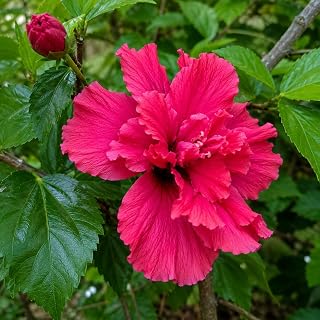
Best for: Buyers looking at a named Rose of Sharon live shrub. The product title identifies it as Red Lucy and lists a live plant 10–16 inches tall in a quart pot.
This is a relevant live-plant option for shoppers comparing Rose of Sharon listings, especially if a named selection and the stated plant height matter. The provided product information does not include further care, bloom, or planting details, so compare those points with the seller’s current listing before buying.
Limitation: The supplied details do not confirm double flowers or explain the bloom color beyond the “Red” product name. Choose the seed listing instead if verified double flowers are the main requirement.
Red Sister Ti Plant: Not A Rose Of Sharon

Best for: Shoppers who want to identify and avoid a search-result mismatch. This listing is for Cordyline fruticosa, also called a Red Sister Ti plant, listed at 25–30 inches tall in a grower pot.
Limitation: It is not a Rose of Sharon or Hibiscus syriacus, and the supplied information does not describe it as a double-flowered shrub. It is not a suitable substitute for the requested plant.
Buying Guide: How To Choose A Double Rose Of Sharon
Do you need confirmed double blooms?
Check that the listing explicitly identifies the flower form as double. Of these options, only the purple seed listing does so. The live-plant listings are Rose of Sharon options, but their supplied details do not confirm double flowers. A product name or color description alone is not enough to establish flower form.
Should you buy seeds or a live plant?
Seeds suit buyers willing to grow a plant from seed and wait for it to develop. A quart-pot live plant is a more direct choice for transplanting, and the listings provide approximate starting heights. The supplied seed details do not give germination instructions, while the Lucy listing provides limited care information.
How should you compare flower color?
Read the full product description when the title and details disagree. The pink-labeled plant description says purple blooms, and the red Althea description also says purple. The Red Lucy name indicates red, but the supplied details do not verify its bloom color. Confirm color with the seller if it is essential to your planting plan.
What should you check before ordering?
- Confirm whether the listing describes seeds or a live plant and note the quantity and stated size.
- Look for explicit wording about double flowers, bloom color, and plant form.
- Check current seller instructions for planting and care, especially when those details are not provided.
- Make sure the product is Hibiscus syriacus, not a different ornamental plant such as Cordyline.
Frequently Asked Questions
Which option specifically says the flowers are double?
The 10-seed purple Rose of Sharon listing specifically describes double flowers. The supplied details for the live plants do not confirm double blooms.
Are the live Rose of Sharon plants double-flowered?
The provided descriptions do not say that the pink, red Althea, or Red Lucy live plants have double flowers. Check the current listing details before buying for that feature.
Are Rose of Sharon and hibiscus the same plant here?
The live-plant descriptions identify Rose of Sharon as Hibiscus syriacus, also called hardy hibiscus or Althea in the listings.
Is the Red Sister Ti plant a Rose of Sharon?
No. It is listed as Cordyline fruticosa, so it does not match a Rose of Sharon tree search.
Can Rose of Sharon grow as a small tree?
The live-plant descriptions say Rose of Sharon can grow as a flowering shrub or small tree. The seed listing also describes a shrub or small-tree form.