Best Drought Resistant Lawn Seed for a Lush, Low-Water Yard
Answering the question for homeowners seeking durable, low-water lawns, these drought-resistant seed mixes are designed to survive heat, sun, and dry spells. The top picks below focus on blends that emphasize heat or drought tolerance, deep root systems, and rapid establishment. They’re ideal for regions with hot summers or limited irrigation. Each product is best for specific yard conditions, from full sun to partial shade and from new lawns to overseeding existing turf.
| Product | Best For | Key Benefit |
|---|---|---|
| Scotts Grass Seed Drought Tolerant Mix | New lawns and overseeding in warm seasons | Tall Fescue and Kentucky Bluegrass mix with 99.99% weed-free seed |
| Jonathan Green Black Beauty Heat & Drought Resistant | Hot sun, sunny to lightly shaded areas | Wax-coated leaves to reduce moisture loss |
| Scotts Turf Builder Landscaper’s Mix | Tall Fescue lawns in sun or partial shade | Coated seed for better germination and moisture retention |
| Scotts Turf Builder Bermudagrass with Fertilizer | Full sun, warm climates | Drought-tolerant bermudagrass blend with soil improver |
| Pennington Rebels Tall Fescue | Durable, dense lawn in tough conditions | Deep roots and darker, greener growth |
These selections emphasize drought resistance, heat tolerance, and robust establishment. When choosing, consider your climate zone, sun exposure, and whether you’re starting a new lawn or overseeding an existing one. The following sections break down each option to help you decide which seed mix aligns with your lawn goals, while noting practical limitations.
Scotts Drought Tolerant Mix: Overview

Best for starting a new lawn or overseeding in spring or fall when temperatures are between 65°F and 85°F, this mix combines Tall Fescue and Kentucky Bluegrass. The seed is weed-free at 99.99% purity, helping ensure reliable germination. Choose this if you want a balanced cool-season blend that tolerates heat and drought after establishment. Use caution in regions with extreme heat where irrigation is inconsistent, as establishment may require steady moisture.
Jonathan Green Black Beauty Heat & Drought

Best for hot, sunny, or lightly shaded areas, this cool-season mix blends tall fescue with Texas bluegrass. It features a waxy leaf coating that helps minimize moisture loss, supporting drought tolerance. It’s a solid choice for lawns that must endure high heat and limited irrigation while retaining a dark, lush appearance. A potential limitation is slower germination in cooler, wet springs compared to warmer conditions.
Scotts Landscaper’s Mix for Tall Fescue

Best for Tall Fescue lawns in sun or partial shade, this coated seed helps withstand heat and drought by promoting moisture retention and faster germination. It’s suited for larger areas or Southern and Transition Zone lawns that demand durable growth. Limitation: coverage and density may vary with soil quality and irrigation practices.
Scotts Bermudagrass With Fertilizer
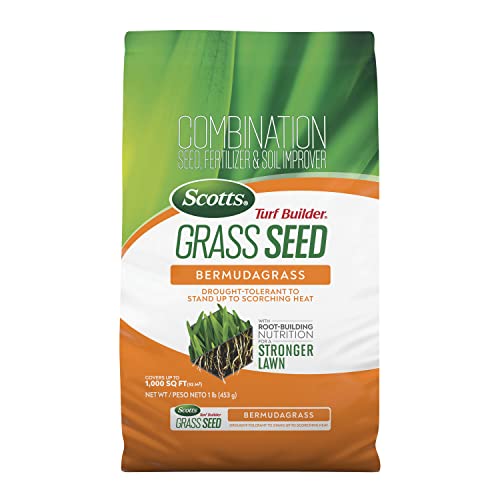
Best for full sun and hotter climates, this drought-tolerant bermudagrass blend includes a soil-improver and fertilizer. It’s designed for late spring or early summer seeding to establish a resilient lawn. A limitation is that bermudagrass may require more maintenance in colder regions or during extended cool spells, and it performs best with consistent sunlight.
Pennington Rebels Tall Fescue
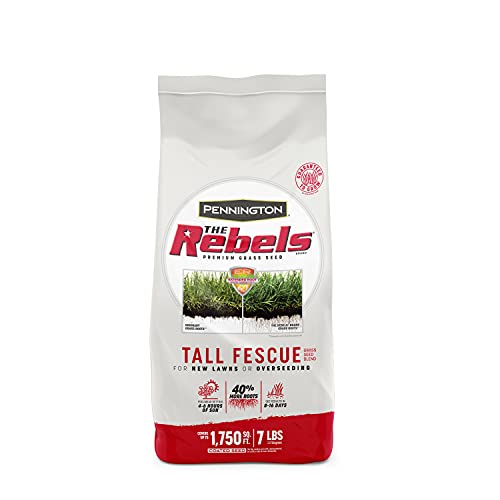
Best for durable, dense lawns, Rebels Tall Fescue provides tough roots and a darker appearance than Kentucky-31. It’s well-suited for challenging growing conditions, including heat and variable moisture. A caution is that establishment may take time in areas with poor soil drainage or limited irrigation, and weed competition can affect early growth.
Buying Guide: Drought-Resistant Lawn Seed
When choosing, consider climate, sun exposure, soil type, and maintenance capabilities. For heat-prone regions, select blends with tall fescue or bermudagrass known for deep roots and drought tolerance. If you have limited irrigation, favor coated seeds or blends with moisture-retentive properties to improve germination rates. For shady areas, look for mixes that include bluegrass and tall fescue variants tolerant of partial shade. New lawns benefit from mixes with rapid germination and weed-free seed to reduce early competition.
Key Purchase Considerations
- Sun exposure: Full sun often benefits bermudagrass and tall fescue blends; partial shade favors mixed grasses.
- Soil health: Moisture retention and root depth improve drought resilience; consider soil amendments.
- Establishment time: Quick-germinating blends help establish a dense lawn faster in dry climates.
- Maintenance plan: Regular mowing, irrigation timing, and fertilization influence drought performance.
- Seed purity: Higher weed-free seed improves germination success and lawn uniformity.
Frequently Asked Questions
- Q: What is the best seed for drought resistance in hot climates? A: Blends with tall fescue and bermudagrass often perform well, due to deep roots and heat tolerance.
- Q: Should I Overseed or start a new lawn with these seeds? A: Both options are viable; the Scotts drought-tolerant mix is designed for overseeding or new lawns.
- Q: Do coated seeds really improve germination? A: Coated seeds can improve moisture retention and germination rates, especially in dry conditions.
- Q: How important is sun exposure for seed selection? A: Very important; full sun conditions favor drought-tolerant grasses, while partial shade may require different blends.
- Q: How long before I see a usable lawn? A: Germination times vary by blend and conditions, but expect several weeks to a few months for a dense lawn.