Best Duck House by Pond: Top Outdoor Duck Shelters for Backyard Flocks
Answering the search for a reliable duck house by the pond, this guide highlights durable, weather-ready shelters designed for ducks and waterfowl in American backyards. Each option suits different needs—from spacious, stylish coops for larger flocks to compact nesting boxes for ponds and wetlands. The list focuses on five products that balance protection, ventilation, and ease of maintenance. Use the quick reference table to compare key points at a glance.
| Product | Best For | Key Benefit |
|---|---|---|
| VIXZEN Duck House | Backyard duck owners seeking style and space | Wood-grain look with sloped roof and full top opening |
| GDLF Duck Coop | Night shelter for small flocks | Plastic, easy to clean, designed specifically for ducks |
| Lovinhut Insulated Duck Coop | All-weather sites | Better ventilation and insulation for year-round use |
| Amcortn Mallard Nesting Box | Predator protection and nesting | Dual entrances, predator-resistant design |
| Amcortn Hexagonal Nest Box | Waterside ponds and wetlands | Large capacity with dual entrances |
VIXZEN Duck House With Wood Grain Finish

Best for: Homeowners wanting an attractive, spacious shelter for a small-to-moderate flock. This duck house blends a stylish exterior with practical interior space. The resin PP material provides waterproof and UV-resistant performance for outdoor placement. A sloped roof aids drainage, and a full top opening, supported by gas struts on both sides, simplifies routine maintenance. The wood-grain finish adds visual appeal to garden settings. Caution: The unit relies on external weather exposure; ensure proper anchoring in windy locations to prevent movement.
- Material: Weatherproof resin PP; UV resistant
- Ventilation and drainage features through roof design
- Spacious interior suitable for poultry activities
- Gas strut-assisted top opening for easy access
GlitZGlam Duck Pond Scene for Fairy Gardens
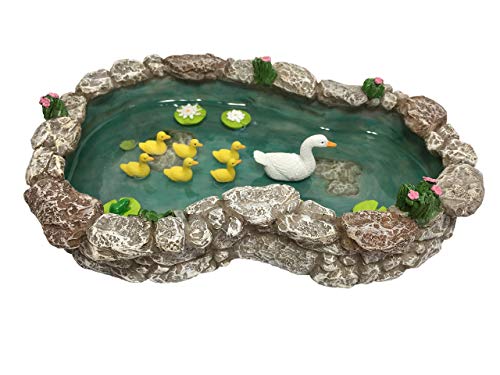
Best for: Garden enthusiasts who want a charming miniature pond backdrop for ponds or decorative garden setups. This tiny duck pond with mother and ducklings, lotus, lily pads, and a frog creates an appealing focal point. Made of non-toxic, waterproof resin, it suits outdoor display and indoor shelves alike. Caution: Its small size is ideal for decor and display; it is not a functional duck shelter for real poultry.
- Decorative miniature pond with characters
- Non-toxic, waterproof resin for outdoor use
- Compact measurements (7”L x 5”W x 2”H)
GDLF Duck Coop For Outside

Best for: Duck keepers needing a dedicated outdoor night shelter. This plastic duck coop is designed for easy cleaning and weather resistance. It does not include roosting bars, reflecting its focus on a natural duck sleeping space. Caution: It’s best used as a night shelter rather than a complete day-enclosure for larger flocks.
- Designed specifically for ducks as ground-dwellers
- Open-top design allows quick cleaning
- Durable plastic panels resist rot and moisture
Amcortn Mallard Nesting Box

Best for: Ducks needing a protected nesting habitat with multiple access points. This hexagonal wooden nest box features dual entrances to facilitate safer mother-in-duck movements and better airflow. It emphasizes predator protection and robust construction for outdoor ponds and backyards. Caution: Wood quality and treatment details are not specified; ensure proper installation away from ground moisture to extend life.
- Dual entrances improve safety and accessibility
- Sturdy wood construction designed for long-term outdoor use
- Protective nesting environment for mallards and their ducklings
Amcortn Hexagonal Duck Nesting Box

Best for: Pond owners seeking a robust nesting shelter with predator guards and multiple access options. The hexagonal design supports larger nesting capacity and is well-suited for wetlands, backyards, and ponds. Caution: Ensure adequate weather protection and routine checks for any wear on wooden joints.
- Double-entry design enhances safety and access
- Enclosed angles and elevated entry points deter predators
- Designed for outdoor ponds and backyards with durable wood
Buying Guide: Key Considerations For Choosing A Duck House By The Pond
What material works best for outdoor duck shelters?
Materials like weatherproof resin, durable plastic, and rot-resistant wood prolong life in outdoor environments. Resin and plastic are often easier to clean and maintain, while wood can provide better insulation when properly treated. Consider climate, sun exposure, and maintenance capacity when choosing.
Is ventilation important for a duck shelter?
Yes. Adequate ventilation reduces ammonia buildup and keeps air quality high. Look for models with front and rear openings, mesh panels, or adjustable vents to balance airflow and warmth during different seasons.
What size should I pick for a pond-side setup?
Choose a shelter that fits your flock size and allows ducks to rest, turn, and access water. Overly cramped spaces stress birds; too large structures may be harder to heat and maintain. For ponds, a sheltered area near the water’s edge helps ducks feel secure during foraging.
Are predator guards necessary?
Predator resistance is essential. Look for elevated designs, sturdy framing, and secure latching. Dual entrances and elevated perches can deter ground-based intruders and provide safe roosting for ducks.
What maintenance should I plan for?
Regular cleaning, waterproofing, and joint inspections extend shelter life. Some models offer easy-clean interiors, removable panels, and simple roof access for quick upkeep. Plan to inspect after heavy rain or wind for damage.
Which option balances aesthetics and practicality?
Breathable ventilation, accessible cleaning, and a durable exterior often lead to the best overall value. Features like gas strut top openings, sloped roofs, and wood-grain finishes provide both function and curb appeal in yard settings by ponds.
Quick FAQ
- Q: Are insulated duck houses worth it in all climates? A: Insulation helps in extreme cold and can improve year-round comfort, but consider ventilation needs in warm climates to prevent overheating.
- Q: Can a duck house replace a pond shelter entirely? A: It depends; a shelter provides roosting and protected space, while the pond supports water access and foraging. Many setups use both.
- Q: How often should I clean the duck house? A: Regular cleaning during the season—monthly or sooner if needed—helps maintain hygiene and duck health.
- Q: What size is suitable for a small backyard flock? A: For 2–4 ducks, a medium-sized coop with open-air access typically suffices; for larger flocks, opt for larger interiors and better ventilation.
- Q: Do these shelters require assembly? A: Most do, with varying complexity. Check the product details for assembly time and included hardware.
- Q: Should I place the shelter near water? A: Positioning near the pond offers convenience for ducks but ensure good drainage and protection from wind exposure.