Best Dust Control for Horse Arenas for Cleaner Air and Safer Riding
The following article highlights top products used to control dust in horse arenas. These picks emphasize binding dust, natural bedding solutions, and protective gear for riders. Explore options that reduce airborne particles, improve footing, and support cleaner stables and arenas.
| Product | Main Benefit |
|---|---|
| Performance Footing DustHalt | Dust binding that reduces airborne dust and extends footing safety |
| Hemp Animal Bedding 10 Lbs | Low-dust hemp bedding with strong absorption and odor control |
| Hemp Animal Bedding 5 Lbs | Low-dust hemp bedding, compact option with similar benefits |
| Hemp Nesting Fiber | Dust-free hemp nesting fiber for bedding and stalls |
| eVysor UV Horse Riding Goggles | UV protection and eye safety for riders in dusty environments |
The products below address dust control in arenas via binding agents, natural bedding with low dust, and protective eyewear for riders. Each section provides product-specific details and practical considerations for arena managers and horse owners.
Performance Footing DustHalt Dust Binding Agent

DustHalt uses a negative charge to attract dust particles and pull them toward the footing, reducing airborne particles. A single application can last roughly 6–12 months, offering a cost-effective solution for busy arenas. Improved air quality supports healthier breathing for riders and horses and reduces sand inhalation during work and rides.
When considering DustHalt, assess arena size, frequency of use, and maintenance routines. The product’s longevity helps minimize frequent reapplication, though seasonal weather and arena footing type can affect performance. For best results, pair with regular footing management and windbreak strategies to maximize dust suppression.
Hemp Animal Bedding 10 Lbs
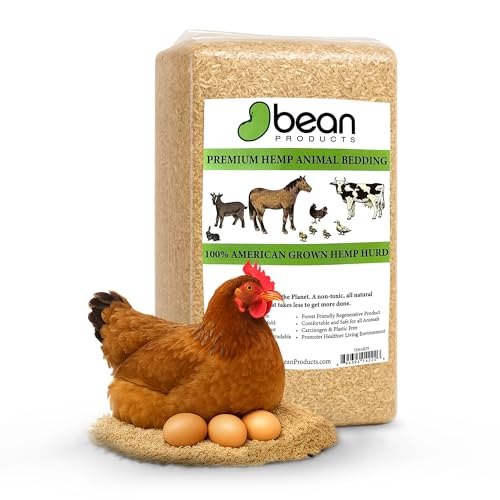
This product uses 100% natural hemp hurd and fiber, providing low-dust bedding with strong absorption and odor control. It contributes to healthier respiratory conditions for animals and humans, offers insulation for temperature regulation, and can be used in stalls, coops, and cages. Hemp’s renewable nature aligns with carbon-negative sustainability goals and easier disposal through composting.
Key considerations include sourcing, availability, and compatibility with your arena’s moisture management. Hemp bedding’s moisture absorption (up to 400% of its weight) helps manage urine and spills, supporting a drier, cleaner arena environment over time. Consider mixing with other bedding strategies for optimal results in heavy-use arenas.
Hemp Animal Bedding 5 Lbs
This smaller option mirrors the 10 Lb variant, offering low-dust hemp bedding with high absorption capacity and odor sequestration. Suitable for smaller stalls and lighter application needs, it provides similar soil amendment and composting benefits as its larger counterpart. Its carbon-negative profile adds a sustainability dimension to arena management.
Practically, assess stall size and turnover rate to determine the right quantity. Because of hemp’s moisture-wicking properties, maintain hedges against overly damp conditions to prevent compaction, while still preserving dust-reducing benefits during riding sessions.
Hemp Nesting Fiber
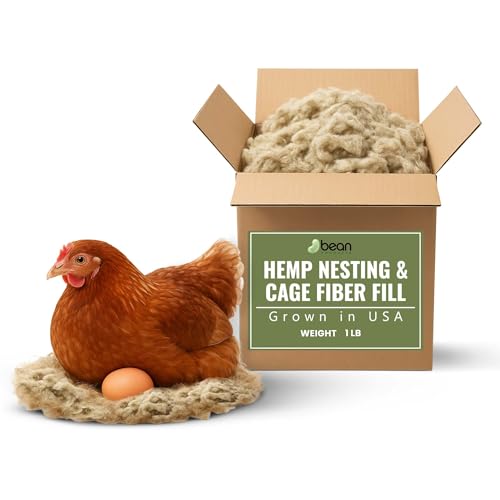
This 1 lb hemp fiber fill is designed for chicken nests but is also useful as bedding or stall filler, delivering a low-dust environment and strong absorption. It contributes to odor control and insulation, promoting healthier housing for birds, small animals, or nesting areas within barns adjacent to arenas. It’s washable and reusable, aligning with reduced waste goals.
In terms of arena dust control, nesting fiber can be used in secondary areas or as a supplementary barrier to reduce dust lift during drag and grooming. Evaluate how it integrates with larger arena footing strategies for best overall air quality improvements.
eVysor UV Protection Horse Riding Goggles
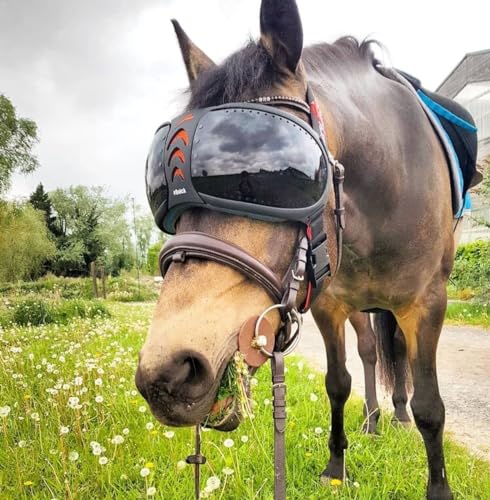
These riding goggles provide UV protection and dust shielding for horses and riders. They help protect eyes from sun glare, debris, wind, and airborne particles during training and competition in dusty arenas. The lenses offer 100% UV protection and are available in several tints to suit lighting conditions. Proper fit and comfort are key for ongoing use during longer rides or events.
When selecting eye protection, balance visibility, comfort, and fit with arena conditions. For dusty or windy days, eyewear can complement other dust control measures, such as footing maintenance and air quality management, to reduce irritation and improve rider performance.
Buying Guide: Key Purchase Considerations
- Dust reduction strategy: Combine binding agents, low-dust bedding, and arena maintenance to create layered dust control. Consider arena size, airflow, and usage patterns when choosing products.
- Footing compatibility: Ensure dust binding products work with your arena footing (sand, rubber, or composite) to avoid clumping or footing degradation.
- Bedding selection: Evaluate hemp bedding options for absorption, odor control, and compostability. Note dust levels, availability, and storage needs.
- Environmental impact: Prefer products with carbon-negative or sustainable attributes to align with eco-friendly barn management goals.
- Rider and horse safety: Use protective eyewear during dusty days and maintain footing to minimize injuries from reduced visibility or loose particles.
- Maintenance plan: Schedule regular checks of footing moisture, dust levels, and bedding replacement to sustain long-term dust control.
- Cost and longevity: Compare product lifespans and application frequency to estimate ongoing costs and return on investment for busy arenas.
- Weather considerations: Dry, windy days may require more frequent dust management; incorporate windbreaks and water management as needed.
- Compliance and safety: Ensure any additives or fabrics meet barn rules and animal safety guidelines before use.
Effective dust control in horse arenas typically relies on a combination of binding agents, high-quality bedding, and protective gear. Consider trialing a multi-product approach to identify the best balance of air quality, footing safety, and maintenance efficiency for your operation.