Best Dwarf Fruit Tree Nursery Options for Easy Home Orchard Crafting
Find the right dwarf fruit trees for a small-space orchard. This guide highlights five reliable options ideal for patios, balconies, or compact backyards. Each selection emphasizes easy care, great fruit potential, and suitability for container growing or small plots. The buyer is typically a homeowner seeking fresh fruit without a full-sized orchard, a beginner grower wanting low-maintenance trees, or a gardener prioritizing year-round interest.
Summary of top picks:
| Product | Best For | Notes |
|---|---|---|
| Apple, Plum & Pear Trees (3-Pack) | Diversified backyard orchard | Three different fruit types in one package |
| Live Mulberry Tree | Compact fruiting in small spaces | Sweet berries, container-friendly |
| Fignomenal Dwarf Fig Tree | Container gardening and year-round fruit | Self-fertile dwarf fig |
| Honey Kiss Mango Tree | Tropical fruit in limited space | Seed-grown, compact for indoors/outdoors |
| Arbequina Olive Tree | Mediterranean fruit flavor at home | Seedling olive with ornamental appeal |
Apple, Plum & Pear Trees (3-Pack) – Dwarf Fruit Trees

Best for owners who want a quick-start mini orchard. This 3-pack includes live apple, plum, and pear trees, delivering diversity and productive potential in a single purchase. The variety helps extend the harvest season and reduces reliance on a single crop. The trees arrive with strong root systems, supporting reliable establishment after transplanting. Choose this option if you want a compact, multi-fruit setup without buying and managing three separate trees from different sources.
Who it’s best for: homeowners seeking a balanced fruit portfolio in a small space; beginners who want clear, diverse fruit options with simpler planning. Caution: container suitability and climate compatibility should be verified for your specific region; the pack assumes standard backyard conditions.
Live Mulberry Tree 1 Gallon Pot
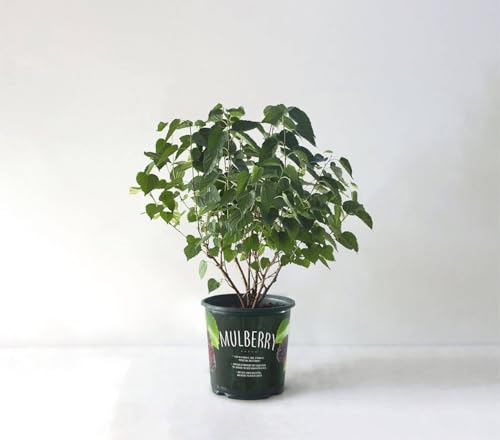
This dwarf mulberry tree offers a compact footprint with juicy, edible berries suitable for fresh snacking, smoothies, and treats. It’s well-suited for patios, balconies, or small gardens and typically fits in a 1-gallon pot. The plant is self-fertile, meaning you don’t need a second tree for fruit production, making it simpler for first-time fruit tree growers. Best for gardeners prioritizing quick fruiting in tight spaces. A potential limitation is seasonal fruiting variability depending on climate and care.
Fignomenal Dwarf Fig Tree + Ficus carica
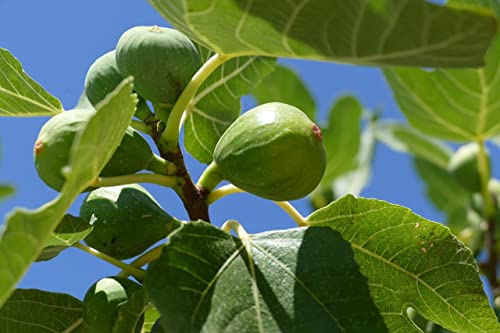
The Fignomenal dwarf fig is a standout for container growing, staying compact at about 2 to 3 feet tall outdoors and easily moving indoors during cooler months. It’s self-fertile, so you can harvest figs without another tree. Best for cooks and fruit lovers who want fresh figs on a small balcony or patio. Consider climate and indoor-outdoor movement needs; packaging notes emphasize container-friendly growth and year-round fruiting potential in suitable zones.
Honey Kiss Mango Tree – Dwarf Tropical
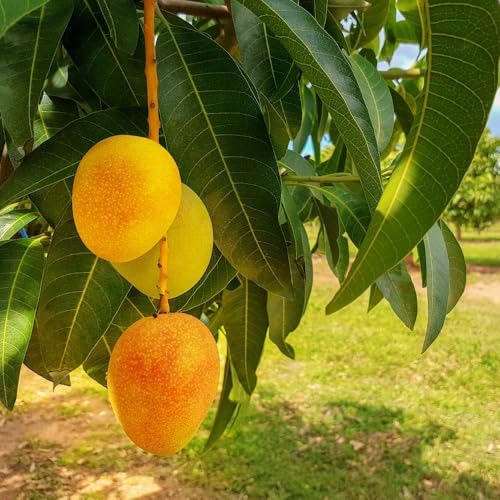
The Honey Kiss mango offers small-to-medium fruit with a honey-like sweetness and fiberless flesh, ideal for fresh eating, smoothies, and desserts. This 8–12 inch seedling is a good starter for container gardens or grow bags, supportive for transplanting into pots or home gardens. Best for tropical or warm-climate enthusiasts who want fruit production in limited-space setups. Limitation: thrives in warm zones; cooler climates may require indoor overwintering or frost protection.
Live Arbequina Olive Tree 1 Gallon Pot

The Arbequina olive tree provides a Mediterranean fruit flavor and ornamental appeal. It’s suitable for indoor-outdoor growing and is self-fertile, which helps with reliable harvests in containers. Best for culinary enthusiasts seeking fresh olives for oil or cooking, and for gardeners wanting a year-round evergreen presence with edible fruit. Limitation: olive trees generally prefer warm, sunny conditions; indoor winter placement is recommended in cooler climates.
Dwarf Banana Seeds for Planting
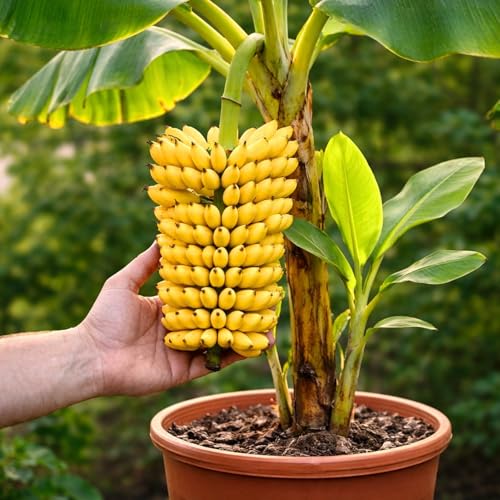
Note: This entry is a seed option rather than a live tree. It’s included to show diversity in dwarf fruit cultivation. Best for space-conscious growers seeking to start banana plants from seed in containers or gardens. Seed gardening requires patience and seasonal warmth for germination and fruiting. Caution: germination rates and growth outcomes can vary; ensure you have a warm enough climate or indoor growing setup.
Buying Guide: Key Considerations For Dwarf Fruit Trees
- Space and container compatibility: Measure your growing area and choose trees labeled for containers if space is limited.
- Climate zone alignment: Match tree types to your USDA hardiness zone to ensure successful fruiting and overwintering.
- Pollination needs: Some varieties are self-fertile; others may benefit from a companion tree. Verify if cross-pollination is required for your fruit type.
- Root systems and transplant readiness: Look for healthy, well-established root growth in live saplings or bare-root options for easier establishment.
- Maintenance and care: Consider sun exposure, watering routines, pruning needs, and fertilization to support ongoing production.
- Fruit timing and harvesting: Different trees ripen at different times; plan for staggered harvests to maximize yield and enjoyment.
Frequently Asked Questions
- Are these trees suitable for beginners? Yes, several selections are designed for container growing and easy establishment, though climate compatibility should be confirmed.
- Do I need multiple trees for fruit? Some species are self-fertile; others may benefit from a second tree for best fruit set. Check each variety’s pollination needs.
- What is the best location for dwarf trees? Full sun with well-drained soil is ideal for most fruit trees; containers should have good drainage and steady sunlight.
- Can these trees be grown indoors? Many are container-friendly and can be moved indoors for winter, especially fig, olive, and certain mango varieties, depending on climate.
- How long before fruiting? It varies by species and care; figs and mulberries can fruit within a couple of seasons with proper care, while olives and mangoes may take longer in non-tative climates.
- What about soil and pests? Use well-draining potting mix for containers and monitor for common pests; regular pruning and sanitation help reduce issues.