Best Solar Electric Fence Solutions for Garden Protection and Small Farms
Answer: A solar electric fence system is a practical, low-maintenance way to deter wildlife and protect garden beds, poultry coops, and small pastures. This guide highlights five solar-powered fence chargers tailored for garden and small-farm needs, focusing on reliability, coverage, and ease of setup. The right choice depends on your garden size, livestock presence, and sun exposure.
Summary Table of Selected Products
| Product | Best For | Key Benefit |
|---|---|---|
| Gallagher Garden & Backyard Pet Protection Kit | Garden owners with deer and small wildlife | All-in-one kit with posts and wire |
| Zhangmengge 10 Miles Solar Powered Fence Charger | Extended garden boundaries | Long coverage with portable design |
| MorningRo 10 Miles Solar Fence Charger | Remote gardens and no-grid setups | 14-day runtime without sun when charged |
| ATMOREA Solar Powered Fence Charger | Versatile animal control in gardens | Adjustable 5–9 kV and 10-mile range |
| 24 Hour Solar Electric Fence Charger (Epoify) | Small to medium pasture gardens with livestock | 0.18 J output, day/night operation |
Solar Powered Fence Charger With Large Stored Energy

Product: ATMOREA Solar Powered Electric Fence Charger. Features an adjustable 5–9 kV output, a 6000 mAh battery, and a 5.5W solar panel. It is designed for farms, gardens, and orchards, keeping livestock safe from wildlife. Best for gardeners needing flexible voltage and reliable day/night operation. A potential limitation is that higher voltage requires proper grounding and installation effort to maximize safety and effectiveness.
Adjustable 5–9 kV Garden Fence Energizer

Product: ATMOREA Solar Powered Electric Fence Charger. Best for gardeners needing customizable protection across landscapes with up to 10 miles of range. It includes a high-capacity battery and solar panel for continuous operation. Use this if you want adjustable protection levels for different crops and animal pressures. Limitation: waterproof rating IPX5 is adequate but consider additional weatherproofing in extreme environments.
0.18J Solar Fence Charger for Livestock & Predator Protection
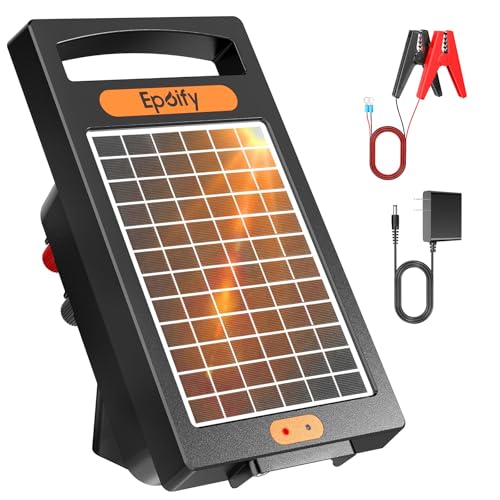
Product: 24 Hour Solar Electric Fence Charger by Epoify. Best for small to medium grazing areas and protection of cattle, goats, poultry, and for predator deterrence. It delivers 0.18 joules and claims up to 10 miles of coverage with 24/7 operation via a built-in large-capacity battery. Caution: performance depends on proper grounding and vegetation management to maintain effectiveness.
10 Miles Solar Fence Charger With Day/Night Mode
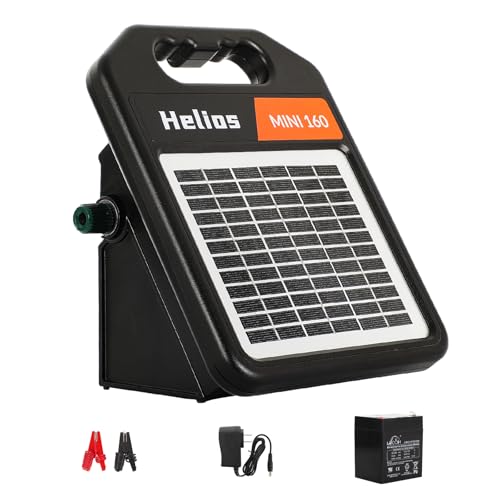
Product: ANDMON 10 Miles Solar Electric Fence Charger. Best for mobile setups and remote grazing, featuring day/night operation with a built-in solar panel. It supports up to 10 miles of fence and emphasizes reliable power in low-light conditions. Consider its portable design if you move fences frequently. Limitation: description emphasizes portability; ensure the unit is secured properly to withstand wind and weather in exposed gardens.
5 Miles Solar Fence Charger With 0.11J Output

Product: Zhangmengge 5 Miles Solar Powered Electric Fence Charger. Best for small gardens and poultry enclosures needing 24/7 protection with the ability to cover approximately 5 miles. It provides 0.11 joules and claims 5700–10200V output. Notable for garden-safe no-grid setups, but check that the solar panel and battery capacity meet your daily sun exposure and fence length needs.
Buying Guide: Key Considerations for Garden-Scale Solar Fence Chargers
- Coverage needs: Evaluate the linear miles of fencing you want to energize. For gardens and small farms, 5–10 miles covers most hobby and small ranch setups.
- Output energy: Look at joules per pulse and voltage range. Higher jolts help deter larger wildlife but require proper grounding and safety considerations.
- Power source and reliability: Solar panels and battery capacity determine 24/7 operation, especially in cloudy climates. Larger panels and higher-capacity batteries support longer nightly runtimes.
- Grounding requirements: Proper grounding improves performance. Plan for a solid ground rod and multiple grounding points if your fence runs long distances.
- Weather resistance: Check IP ratings and enclosure durability. Outdoor fences need waterproof and dustproof components for year-round use.
- Portability vs. fixed setup: Portable units are ideal for seasonal or temporary fencing, while fixed systems suit perennial garden protections.
- Ease of installation: Look for kits that include essential accessories (wire, posts, connectors) and color-coded wiring to simplify setup.
- Safety and animal welfare: Choose humane pulse levels appropriate for the target animals and crops. Ensure clear signage and local regulations compliance where required.
FAQ
- What is a solar fence charger best for in a garden? It provides a portable, sun-powered way to deter wildlife and protect crops, trees, and raised beds without continuous power sources.
- How much area can a 10-mile solar fence charger cover? It can cover approximately 10 miles of fence line under favorable conditions, including proper grounding and vegetation management.
- Do I need professional installation? For basic setups, many garden kits are designed for DIY installation with included components. Complex multi-zone fences or large livestock operations may benefit from professional setup.
- Can solar fence chargers work in winter? Yes, if the solar panel and battery capacity are sufficient to store energy and operate during shorter daylight hours.
- Are these safe for pets? Most models provide a mild, humane pulse suitable for deterring wildlife and pets when used as intended and with proper grounding.
- What maintenance is required? Regularly check connections, clean solar panels, replace worn insulators, and verify grounding integrity to maintain performance.