Best Electric Fence Supplies for Horses and Pastures
Protecting pastures and keeping horses safe requires reliable, workhorse-grade fence energizers. The following picks cover a range of power outputs, wiring compatibility, and power sources—from plug-in AC units to solar options—so you can choose the right setup for your land, climate, and livestock. The selections emphasize dependability in varied weed conditions, easy installation, and broad fence compatibility.
The table below provides a quick overview of the chosen products.
| Product | Brand | Typical Range (miles) | Power | Highlights |
|---|---|---|---|---|
| Zareba 50 Mile AC-Powered Low Impedance | Zareba | Up to 50 (ideal), 6 in heavy weeds | AC | Great for larger properties; works with various fence types |
| Zareba 25 Mile AC Powered Low Impedance | Zareba | Up to 25 (ideal), 6 in heavy weeds | AC | Balanced capacity for moderate farms with horses |
| LIFENCE AC/DC 2 in 1 Power Supply | LIFENCE | Up to 10 Miles | AC & DC (2-in-1) | 40-acre coverage; versatile power options; easy install |
| 15.5J Electric Fence Charger | PROOVEELLY | Up to 31 miles (no weeds); 600 acres | AC/DC 2-in-1 | Displays real-time status; robust for varied uses |
| S1000 1 Joule Solar Fence Charger | Realpoultry | Up to 50 miles (wire-dependent) | Solar (12V battery supported) | Portable solar option for remote pastures |
Zareba 50 Mile AC-Powered Low Impendence Electric Fence Charger

The Zareba EAC50M-Z is an AC-powered electric fence energizer designed for a broad range of fence types, including high tensile wires, polywire, and polytape. It delivers a maximum rating of about 50 miles in ideal conditions and remains functional in heavy weed conditions with reduced range (up to 6 miles). It’s suitable for containing horses when paired with a robust ground system and proper fence installation. For properties with mixed livestock and predator concerns, this charger offers strong fundamental performance and reliability in various weed conditions.
Key features include low impedance output for consistent voltage along long runs, compatibility with multiple fence types, and a robust design intended for heavy weed scenarios. When installing this model, ensure your fence is well-grounded and that you follow best practices for weed control near energizer conductors to maximize effectiveness. Regular inspections can help maintain performance across seasons and vegetation cycles.
Zareba 25 Mile AC Powered Low Impedance Electric Fence Charger

The Zareba EAC25M-Z provides a solid mid-range option for horse paddocks and pasture fencing. In ideal conditions it energizes up to 25 miles, and in heavy weed scenarios it can still cover a portion of that distance. This charger is described as compatible with all fence types, including high tensile wire, polywire, and polytape. It is well-suited for farms that want a balance of capacity and economy while maintaining broad compatibility across fencing configurations.
When selecting wiring and fence materials, consider mapping your once-perimeter layout to optimize the energizer’s reach. Keep weed growth controlled around energizer connections and ensure your grounding system is adequate to avoid voltage loss along the fence line. Regular maintenance helps preserve performance in varied weather and vegetation cycles, especially in horse pastures with seasonal growth changes.
LIFENCE AC/DC 2 in 1 Power Supply

The LIFENCE 2-in-1 charger combines AC and DC operation to suit remote locations without consistent electricity access. With an effective range up to 10 miles and a 40-acre coverage capability, it’s designed to power fencing across diverse soils and terrains. It ships with options for battery or solar power, and its UL-certified adapter adds a layer of safety. The unit emphasizes ease of use, with indicator lights to monitor status and a ground/grounding setup for reliable operation.
Prospective buyers should assess site accessibility and the availability of a suitable ground system. In remote pastures, solar or battery reliance can ensure fencing remains energized even during power outages. Installation flexibility and a clear status indication help farms quickly respond to any faults or dips in performance, maintaining consistent protection for horses and other livestock.
PROOVEELLY 15.5J Electric Fence Charger

The PROOVEELLY charger offers a higher storage energy with 15.5 joules and an output of up to 14.5 joules. It indicates an ability to energize distant fence lines across sizable areas, and it supports both AC and DC operation, aligning with setups where power reliability varies. The unit is designed to deter predators and protect cattle, horses, and other livestock. A built-in LCD display provides real-time voltage and battery status, helping operators monitor fence health without guesswork.
Considerations for buyers include evaluating the landscape and how much fence line you need to energize, as well as how often you face outages or soil moisture changes that can affect power transfer to the line. The display readout and dual-power option can be valuable for ongoing pasture management and predator control, though users should confirm compatibility with their specific wire types and grounding methods.
S1000 1 Joule Solar Fence Charger

The Realpoultry S1000 charger is a solar-powered option geared toward remote pastures needing energy independence. It claims power to run up to 50 miles of fence depending on wire type and the number of strands, with a 12V/12AH sealed lead-acid battery and a 15W solar panel. This model supports portable operation and is suitable for rotational grazing and wildlife exclusion when traditional power sources are scarce. It’s particularly useful for properties that prioritize sustainability and off-grid operation.
In a horse-fenced environment, ensure the solar panel orientation optimizes sun exposure and that the grounding system remains robust. Regular inspection of the solar panel, battery health, and fence line integrity helps maximize uptime, especially during shorter daylight periods or during seasons with reduced sun exposure.
Andmon 50 Miles Solar Electric Fence Charger
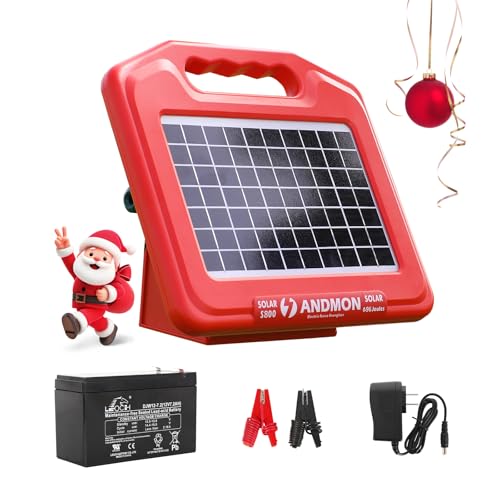
The ANDMON 50 Miles Solar Fence Charger combines solar power with a robust output to support large pastures. It’s designed to deliver up to 55 miles of energized fence under favorable conditions, making it a strong candidate for larger horse-keeping operations or rotational grazing setups. The device supports easy installation on various post types and includes both DC and solar charging options for flexible placement and reliability in remote locations.
As with other solar options, sun exposure and battery capacity drive performance. It’s important to mount the unit for optimal solar gain and ensure your fence grounding is properly established to avoid voltage losses along the fence line. Regular checks on battery health and wiring help sustain energy delivery to your horse fencing across seasons.
Buying Guide: Key Purchase Considerations
- Power source and location: Decide between AC-powered units (strong for large properties), DC/battery options (great for remote sites), or solar-powered chargers (eco-friendly and off-grid). Consider how often you face outages or limited access to electricity.
- Fence length and weed conditions: Assess maximum effective range under ideal and weed-heavy conditions. High weed growth can significantly reduce performance; choose an energizer with a suitable rating for your pasture size and typical weed load.
- Fence type compatibility: Ensure the energizer supports your fence materials (high tensile wire, polywire, polytape) and the number of strands you use. Some models excel with long runs, others with multi-strand configurations.
- Grounding and installation: A solid grounding system is essential for stable voltage along the fence. Plan layouts to minimize voltage loss and follow manufacturer installation instructions for best results.
- Monitoring and safety features: Look for indicators such as status LEDs or LCD displays. Safety is critical—verify warnings and ensure energizers are installed away from contact points and accessible only to authorized personnel.
- Maintenance needs: Consider units with easy access for maintenance, weather resistance, and clear documentation. Solar units benefit from clean panels and periodic battery checks.
- Portability and future expansion: If you anticipate pasture changes or additional paddocks, choose chargers that scale well or offer modular configurations.
These options provide a spectrum of capabilities for protecting horses and livestock across varied landscapes. When selecting, align power, range, and installation practicality with your property layout and long-term fencing goals to maintain safe, well-energized pastures.