Best Epipremnum Pinnatum Variegata Mature Care Guide for Houseplants
Answers buyers ask: which Epipremnum pinnatum variegata options mature well indoors, and who should choose each? This guide highlights five Amazon picks that suit common indoor setups, from low-light apartments to bright, humid rooms. Each entry explains who it’s best for, why it was chosen, and a practical caveat. A quick buying table helps compare at a glance.
| Product | Best For | Why It Stands Out |
|---|---|---|
| Epipremnum Marble – 4″ from California Tropicals | Beginner to intermediate growers | Distinct marble variegation and compact size for shelves or desks |
| Epidendrum Pinnatum Variegated (Large) | Collectors seeking dramatic foliage | Large variegation and a bold look for bright spaces |
| Epiperemnum Pinnatum Variegated – 3″ from California Tropicals | Budget-conscious shoppers | Smaller starter plant with classic variegation |
| 25 Mixed Ranunculus Bulbs for Planting | Gardeners expanding color outside indoor walls | Long-lasting blooms for borders and cut flowers |
| (Additional relevant Epipremnum option) | All-around indoor enthusiasts | Versatile growth and easy care |
Epipremnum Marble — 4″ Pot
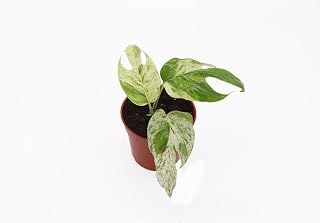
Features: Variegated marble leaves with a compact growth habit suited for shelves, desks, or countertop spaces. Ideal for indoor lighting conditions without direct sun. The plant is best for spaces that need a touch of white and green variegation to brighten corners.
Best for: Beginners or anyone needing a striking yet low-maintenance indoor plant. The marble pattern adds visual interest without demanding high light. Choose this if you want a decorative pothos that adapts to medium light and occasional watering.
Caution: Variegation may fade in very low light; ensure moderate indirect light to maintain leaf pattern.
Epidendrum Pinnatum Variegated (Large)

Features: Large, striking variegated foliage. Although technically a different genus, its dramatic variegation makes it a focal point in bright indoor spaces and conservatories.
Best for: Plant collectors seeking bold variegation and a statement plant. Best placed in bright indirect light where variegation can remain vibrant. This is a better fit for rooms with consistent humidity and good air circulation.
Caution: Not ideal for low-light environments; variegation may reduce if light is insufficient. Water needs vary with size, so monitor soil moisture carefully.
Epiperemnum Pinnatum Variegated — 3″

Features: Classic variegation on a compact 3-inch plant, suitable for small containers, terrariums, or desk setups. Easy to care for with indirect light and periodic watering.
Best for: Small-space plant owners and collectors building a layered indoor display. It provides the look of mature variegation without needing a large footprint. Choose this if you want a fast-growing variegated pothos on a budget.
Caution: Smaller size means it may take longer to achieve dramatic variegation; light consistency helps maintain leaf patterns.
25 Mixed Ranunculus Bulbs for Planting

Features: A mix of ranunculus bulbs ready for garden planting, providing large, layered blooms and extended color for borders, cutting gardens, or deck containers. Suitable for zones 8-10 in mild climates; bulbs require soaking and proper planting depth.
Best for: Gardeners seeking seasonal color and versatile cut flowers. This is a complementary product for indoor plant lovers who also maintain a garden space or balcony with sunny exposure.
Caution: Not a houseplant; needs garden space and climate-appropriate care. Bulbs require soaking before planting and proper soil preparation for success.
Buying Guide: Key Decisions When Selecting Epipremnum Pinnatum Variegata Mature Plants
- Variegated leaves typically require brighter indirect light to maintain color. In very low light, variegation may fade or green leaves may dominate.
- Choose larger varieties for focal spots or bright corners; compact 3” plants fit desks and small shelves.
- Most pothos prefer evenly moist soil but not waterlogged. Allow top inch to dry between waterings to prevent root issues.
- Normal indoor humidity supports healthy foliage; avoid cold drafts and sudden temperature changes.
- For dramatic statement, a large variegated pothos or the Epidendrum variant provides a bold look; for subtle greenery, marble or smaller pothos fit well.
- Regular dusting helps sustain photosynthesis and color; prune leggy growth to encourage compact, lush branches.
- Use hanging baskets or shelves to showcase variegation; place larger cultivars where they won’t be blocked by furniture.
Frequently Asked Questions
What does mature variegation mean for Epipremnum pinnatum variegata?
Mature variegation refers to fully developed leaf patterns that display distinct white, cream, or yellow patches alongside green areas, typically after several growth cycles.
Can Epipremnum pinnatum variegata thrive in low light?
They tolerate moderate indirect light, but variegation and growth rate may slow in low light. Bright indirect light optimizes color and vigor.
How often should I water a pothos with variegated leaves?
Water when the top inch of soil feels dry to the touch; avoid letting the soil stay soggy to prevent root rot.
Is there a difference between Epipremnum and Epipremnum pinnatum varieties?
Epipremnum pinnatum is a pothos variety; some listings may refer to related variegated forms. Check leaf shape and variegation patterns to confirm identity.
Are these plants safe for pets?
Pothos plants contain insoluble calcium oxalate crystals and can be toxic to pets if ingested. Place out of reach for curious animals.