Best Fall Bulbs for Shade: Easy Fall Planting for Spring Color
Fall is the ideal time to plant bulbs that will burst into color in spring, especially when you’re dealing with shaded areas. This guide highlights resilient fall-blooming selections that tolerate partial shade and deliver vivid blooms in pots or garden beds. Each featured product provides reliable growth, easy planting, and year-after-year color that brightens cloudy, shaded corners.
Summary Table
| Product | Brand | Light & Zone | Notes |
|---|---|---|---|
| Complete Spring Flower Bulb Garden | Willard & May | Full Sun/Partial Shade | 50 bulbs; mix includes tulips, daffodils, iris, crocus |
| Garden State Bulb Double Mixed Daffodil | GSB Garden State Bulb | Full Sun, Zone 2-9 | Fall planting; 25 bulbs per bag |
| 40 Jumbo Crocus Mixture Bulbs | Daylily Nursery | Zone 3-9 | Fall planting; crocus variety |
| 100-Pack Mixed Tulip Bulbs | Willard & May | Full Sun/Partial Shade | Bulk pack; early to late bloom |
| 50 Yellow Daffodil Bulbs | Willard & May | Sun to Partial Shade | Classic yellow daffodils; fall planting |
Complete Spring Flower Bulb Garden

This Willard & May collection is designed for fall planting, delivering a spring bloom array across March to June. The assortment includes 10 mixed tulips, 10 yellow daffodils, 10 blue Dutch iris, 10 blue Muscari, and 10 mixed crocus, totaling 50 bulbs. Ideal for new gardeners seeking a straightforward, diverse start to bulb gardening, with options for sun or partial shade tolerance. The blend creates continuous color across early spring, making it suitable for shaded borders that still get some direct light.
Garden State Bulb Double Mixed Daffodil
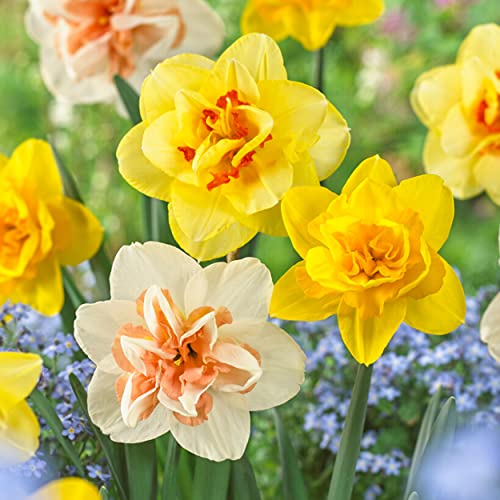
These daffodils are sized for easy fall planting and are suited for zones 2–9. While they perform best in full sun, they tolerate partial shade, making them a reliable option for dimmer spots. The 5.5″–6.5″ circumference bulbs yield sturdy stems with classic yellow trumpets, ideal for border edges or naturalized areas that don’t receive all-day sun. They offer dependable spring color with minimal maintenance once planted in a suitable bed or container.
40 Jumbo Crocus Mixture Bulbs
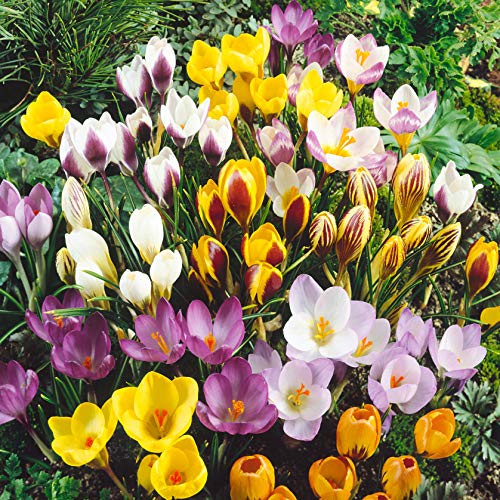
Crocus are among the earliest bloomers and adapt well to shaded areas with intermittent sun. This mixture is suitable for fall planting and is hardy in zones 3–9. It’s important to note potential weather sensitivity; avoid extreme temperatures during shipping and planting windows. The slender, grass-like foliage accompanies chalice-shaped flowers, adding early-season color to beds, rock gardens, and under deciduous trees where shade persists for much of the day.
50 Yellow Daffodil Bulbs

These classic yellow daffodils bring bright spring color to shade-adjacent spaces in fall-planted beds. Daffodils are robust and easy to grow, thriving in full sun to partial shade. Plant bulbs about 10 cm deep and 10 cm apart to give roots ample room. This batch is known for strong stems and dependable rebloom in suitable climates, making them a practical choice for containers or borders that receive variable sun exposure.
Garden State Bulb Single Late Pink Menton Tulip
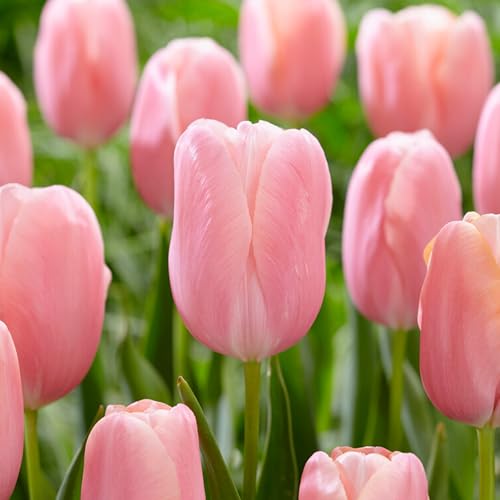
The Late Pink Menton tulip is a refined choice for fall planting, offering graceful pink blooms that emerge in spring. This bulb is sized to 12+ cm circumference and is suitable for zones 2–8. While tulips generally prefer full sun, many varieties tolerate partial shade, particularly when planted in mixed borders or containers with reflective light. Use well-draining soil and a planting depth of about 6–8 inches to maximize bloom potential in shady spots.
Buying Guide: Fall Bulbs For Shade
Choosing fall-planted bulbs for shaded areas requires balancing light availability, soil quality, and regional climate. Consider these factors to maximize color and garden health through spring.
- Light levels: For partial shade, prioritize bulbs known for shade tolerance, such as certain daffodils and crocus varieties. Avoid bulbs that require full sun if your site rarely receives direct light.
- Soil and drainage: Bulbs need well-drained soil. Amend heavy clay with compost or sand to prevent rot in damp shade pockets.
- Climate zones: Check USDA hardiness zones listed on each product. Choose varieties suited to your region to ensure reliable spring blooms.
- Planting depth and spacing: Follow bulb-specific guidelines, typically 2–3 times the bulb’s height. Space bulbs to allow roots to expand in shaded beds where competition is higher.
- Color coordination: Mix spring bloom colors to brighten a shaded area across different bloom times. Consider complementary foliage and background evergreens for year-round interest.
- Container planting: For shade, choose pots with drainage and use a high-quality bulb mix. Containers can be moved to capture available light as the season changes.
- Water and maintenance: Water during dry spells after planting, then reduce irrigation as roots establish. Mulch to regulate soil temperature and moisture.
Additional Considerations
Fall bulb planting in shade offers long-term color with minimal ongoing upkeep. Evaluate the long-term growth habit of each variety to avoid overcrowding and ensure that light gaps are filled as trees mature or leaf cover changes across seasons. Keep an eye on soil moisture in shaded beds, as these areas often retain more moisture than sunny borders. For containers, select bulbs that coordinate bloom times to achieve a staggered display of color throughout spring.