Best Fast Growing Trees for Zone 6: Quick Shade, Color, and Hardy Growth
Answering the need for fast-growing, Zone 6-ready trees, this guide highlights candidates that establish quickly, thrive in typical Zone 6 conditions, and offer practical benefits like shade, fall color, or landscape texture. The selections are suitable for buyers seeking fast canopy development, privacy screening, or distinctive bark and form. Each option is evaluated for best-use scenarios, with clear cautions where applicable.
| Product | Best For | Why It Stands Out |
|---|---|---|
| 3 Sycamore Trees for Planting | New landscapes, shade in yards | Very fast-growing shade tree with peeling bark and strong roots |
| 10 Fast Growing Hybrid Poplar Trees | Privacy screens, windbreaks | Rapid height gain and easy maintenance |
| Northern Red Oak Tree | Long-term shade with dramatic fall color | Classic oak growth and strong seasonal interest |
| 4 Curly Willow Tree Cuttings | Unique visual interest, privacy | Unusual curly branches that attract attention |
| Twilight Crape Myrtle | Seasonal color and medium shade | Showy summer bloom and compact form for avenues |
Notes: Zone 6 suitability can vary by microclimate. The table above uses typical Zone 6 growing expectations and the listed features. Consider soil type, moisture, and space when choosing between fast-growing options.
Sycamore Trees for Quick Shade and Interest

Reference Features: Live Healthy Young Saplings, fast-growing shade tree, distinctive peeling bark in cream, gray, and tan. Best for buyers who want rapid shade and a striking bark pattern as a landscape focal point. Suitable for larger yards with ample space for mature size, and for those seeking a bold, natural look. Caution: Sycamores require ample root space and consistent moisture to establish well in drier soils.
Hybrid Poplar: Rapid Privacy and Screening
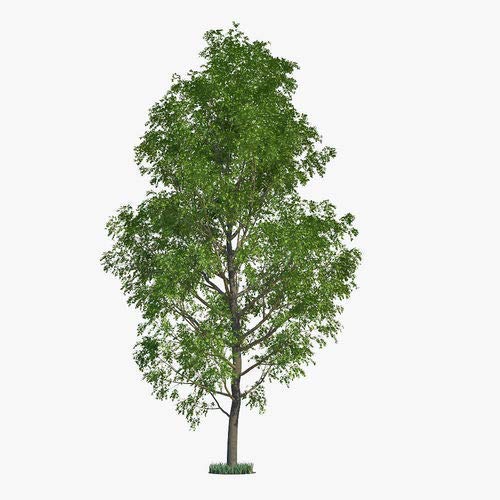
Reference Features: Very fast growing privacy or shade tree, no seeds or cotton, easy to maintain, supports erosion control and air filtration. Best for buyers who want quick screens to deter neighbors or create windbreaks. Advantage: rapid canopy development. Limitation: Poplars can have shorter overall lifespan compared to oaks or maples and may require more frequent pruning to maintain form.
Northern Red Oak: Strong Shade and Color

Reference Features: 2-3 feet tall bareroot shipment, stunning fall color, fast-growing for an oak species. Best for buyers wanting a long-term, durable shade tree with dramatic autumn tones. Caution: Growth is strong but establishment takes patience; ensure adequate moisture during the first growing season and avoid transplanting in extreme heat.
Curly Willow: Unusual Visual Appeal

Reference Features: Exotic curly corkscrew willow, easy to grow, zone 3-10, includes planting instructions and video, great gift for outdoor lovers. Best for buyers prioritizing unique bark and growth habit as a landscape accent. Limitation: Curly willows may require more moisture and consistent pruning to encourage the curly growth pattern.
Twilight Crape Myrtle: Colorful Summer Interest

Reference Features: Mature size up to 20+ feet tall, purple-pink blooms in summer, zone 6-10 suitability, ships as a well-rooted plant. Best for buyers seeking a flowering accent that also provides shade. Caution: Flower color and bloom timing may vary with local climate and soil conditions.
Buying Guide
What matters most for Zone 6 fast-growing trees?
Choose species with proven tolerance to colder winters, good drought resistance where applicable, and robust root systems. Consider mature size to ensure you have room for growth, root spread, and future maintenance. If you need instant shade, prioritize trees with rapid canopy development and strong structural integrity.
How to choose by goal?
- Shade and privacy: Hybrids and sycamores provide rapid canopy and screening.
- Aesthetic value: Oaks and weeping willows offer dramatic fall color or distinctive growth habits.
- Ornamental color: Crape myrtles give extended bloom color, while curly willows offer unique texture.
Site and care considerations
- Soil and moisture: Ensure consistent moisture for establishing trees, especially for larger species.
- Space: Plan for mature width and root spread to prevent future conflicts with structures or utilities.
- Climate compatibility: Zone 6 microclimates vary; select cultivars suited to your specific area.
Maintenance basics
- Water deeply during establishment, then adjust watering based on rainfall.
- Prune carefully to establish strong structure in early years.
- Mulch to conserve moisture and regulate soil temperature.
FAQ
- Are these trees suitable for Zone 6 landscapes? Yes, all selected options are commonly grown in Zone 6 with some regional variation. Check microclimate and soil conditions before planting.
- Which tree offers the fastest shade development? Hybrid Poplars are among the fastest in terms of height growth, making them suitable for quick screening.
- Do any selections have special shipping restrictions? Some items may have jurisdictional shipping notes; confirm at the product page for local restrictions.
- Which option provides standout autumn color? Northern Red Oak and some maple varieties offer notable fall displays; Red Oak is known for dramatic hues.
- What maintenance is required after planting? Establishment watering, mulch, and early structural pruning are typical needs for most fast-growing trees.
- Can I mix ornamental flowering plants with shade trees? Yes, pairing flowering varieties like Crape Myrtle with shade trees can extend visual interest through multiple seasons.