Best Fast-Growing Fence Plants for Quick Privacy and Style
Need a rapid, natural way to add privacy, wind protection, or a green border? The following fast-growing fence plants are selected for versatility, ease of growth, and effective coverage. They’re suitable for homeowners, rental properties, and outdoor spaces where quick screening is a priority. The top picks include living willow screens, climbers, and tall grasses that establish quickly to form dense barriers. See the summary table below to compare core characteristics at a glance.
| Product | |||
|---|---|---|---|
| Green Wall Willow Privacy Tree Cuttings to Grow | Willow Cuttings | Privacy screens, windbreaks | Ultra fast growth for dense cover |
| Natural Privacy Fence – 60 Ft Long | Hybrid Willow Cuttings | Long privacy rows, border definition | Large-scale privacy in one planting |
| Virginia Creeper Live Bare Root Plants | Climbing vine | Fences, walls, trellises | Rapid vertical coverage and fall color |
| Colorful Willow Bush Cuttings Kit | Willow cuttings | Borders, privacy screens, ornament | Multi-color stems for visual interest |
| 1,000 Privacy Grass Seeds | Skyscraper/Elephant Grass | Tall natural screen along fences | Very tall, dense, quick establishment |
Green Wall Willow Privacy Tree Cuttings to Grow

Best for: beginners and homeowners who want an immediate privacy screen. Why selected: ultra fast growth and dense foliage provide rapid coverage and screening along property lines. The product is easy to plant from cuttings, with recommended spacing of 2-3 feet between plants, aiding quick establishment. Caution: willow cuttings root quickly but may require consistent moisture to prevent stress during establishment.
Natural Privacy Fence – 60 Ft Long
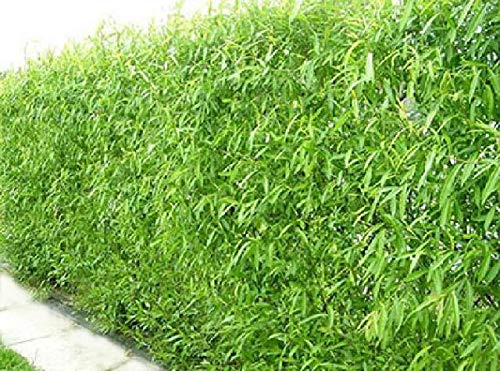
Best for: property owners seeking a long privacy row with quick establishment. Why selected: a large quantity of willow cuttings promises fast privacy and shade in a single planting project. It’s suitable for creating a natural border and screening across longer fences. Caution: rapid growth requires regular pruning to maintain shape and avoid over-crowding.
3 Virginia Creeper Live Bare Root Plants

Best for: vertical coverage on fences and walls where space is limited. Why selected: quick climber that readily covers vertical surfaces and provides striking fall color. Caution: as a vigorous grower, it can spread if not contained; consider regular pruning or root control measures to prevent spreading beyond the desired area.
Colorful Willow Bush Cuttings Kit
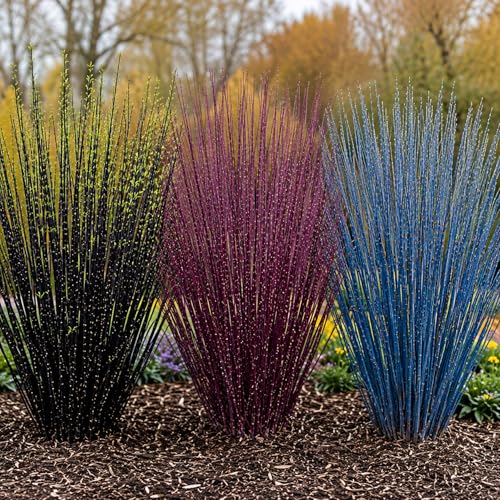
Best for: landscape designers and homeowners wanting ornamental privacy with color. Why selected: includes multiple willow varieties with black, purple, and blue stems, providing fast growth and year-round visual interest. Caution: color outcomes can vary by environment; ensure proper sun exposure for best color development.
1,000 Privacy Grass Seeds

Best for: gardeners seeking a tall, dense natural screen with minimal maintenance. Why selected: fast-growing Skyscraper/Elephant Grass reaches up to 10 feet tall, forming a thick barrier along fences and property lines. Caution: grasses may reseed aggressively in some climates; plan spacing to prevent unwanted spread.
Buying Guide: Key Considerations For Fast-Growing Fence Plants
What should you evaluate before choosing fence plants?
- Growth rate and final height: Determine how quickly you need screening and how tall you want the barrier to become.
- Space and spacing: Measure your fence length and plan spacing to avoid crowding while ensuring even coverage.
- Maintenance requirements: Some species need more pruning, watering, or root control than others.
- Climate and sunlight: Match plant types to sun exposure, rainfall, and local temperatures for reliable growth.
- Soil and moisture: Ensure soil quality and irrigation support the selected plants, especially for bare-root or cuttings.
- Wildlife and aesthetics: Consider seasonal color, fragrance, and wildlife support such as pollinators.
Which type should you choose for your fence?
- Fast-growing willows: Best for rapid, tall privacy and windbreaks in suitable climates; require regular maintenance.
- Climbing vines: Ideal for narrow spaces and vertical coverage; need sturdy trellises and consistent moisture.
- Ornamental and colored willows: Great for visual interest and privacy in mixed borders; watch for climate suitability.
- Tall grasses: Excellent for tall screens with low maintenance; may need spacing to control spread and reseeding.
Planting tips for best results
- Follow recommended spacing to promote air circulation and reduce disease risk.
- Water consistently during establishment, especially for bare-root plants and cuttings.
- Prune to shape and control growth; avoid over-trimming that weakens the plant.
- Mulch to conserve moisture and regulate soil temperature.
Maintenance expectations and long-term planning
Expect annual pruning and occasional replanting to maintain a neat appearance and optimal coverage. If you anticipate high wind exposure or heavy shade, select varieties known for sturdier branches and better resilience in those conditions.
Frequently Asked Questions
- How quickly can I expect a privacy screen to form?
- Which plants are best for long fences?
- Do these plants require heavy maintenance?
- Are these plants deer-resistant?
- Can I plant from cuttings in poor soil?
- What environmental benefits do these screens provide?
Most fast-growing fence plants show noticeable screening within the first growing season, with fuller coverage by the second year, depending on climate and care.
Long willow cuttings and creeping vines are effective for long spans, while tall grasses can also fill wide areas if properly spaced.
Maintenance levels vary. Willows and grasses typically require regular pruning, while vines need trellising and periodic training.
Resistance varies by species and local wildlife. Check regional guidance for deer and other common garden pests.
Cuttings generally establish better in moist, well-draining soil with adequate moisture; improve soil with compost if needed.
Live fences can reduce wind, provide habitat, improve air quality, and add natural beauty to outdoor spaces.