Best Fertilizer for Muscadine Grapes: Five Options Compared
The best fertilizer for muscadine grapes depends on your soil, feeding preferences, and whether you want a grape-specific liquid or a general-purpose granular product. A soil test is the most reliable way to identify nutrient needs before you fertilize. The grape liquid fertilizer comes in two sizes; Bacchus is the organic soil-amendment option; and the 10-10-10 product offers slow-release, balanced nutrients. The mum fertilizer is included as a cautionary comparison, not a muscadine recommendation.
| Product | Best suited for | Key distinction |
|---|---|---|
| Grape Fertilizer, 8 oz | Trying a grape-specific liquid | Smaller bottle |
| Grape Fertilizer, 32 oz | Buyers wanting more liquid product | Larger bottle |
| Bacchus Organic Fertilizer | Improving soil condition | Organic soil amendment |
| 10-10-10 Slow-Release Fertilizer | Those seeking balanced granular nutrients | Lists equal N-P-K percentages |
| Mum Fertilizer | Not recommended for muscadines | Formulated for mums |
Grape Fertilizer Liquid Plant Food, 8 Oz

Best for: Muscadine growers who want to try a liquid product marketed specifically for grapevines without starting with the larger bottle. Its grape-focused labeling makes it more directly relevant than a flower-specific fertilizer.
Why it was selected: The product is described as liquid plant food for grapevines and harvests. The listing does not provide nutrient percentages or detailed application directions in the supplied information, so check its label and follow the stated dilution and use instructions.
Limitation: The 8-ounce size may be less convenient if you need to treat several vines or prefer fewer repurchases.
Grape Fertilizer Liquid Plant Food, 32 Oz

Best for: Growers who have chosen a grape-specific liquid and prefer a larger bottle than the 8-ounce option. It shares the same stated grapevine and harvest focus, with a larger listed volume.
Why it was selected: Its grape-oriented description makes it a closer match for muscadines than a product labeled for unrelated plants. Compare the label’s directions and nutrient details with your soil test before applying.
Limitation: The supplied product details do not state its nutrient analysis or application rate. A larger bottle does not establish that it is a better nutrient match for every vineyard.
Bacchus Organic Fertilizer For Grapevines

Best for: Gardeners who want an organic soil amendment for grapevines and are focused on soil condition as well as plant nutrition. The listing says it can improve soil health, organic matter, and water and nutrient retention.
Why it was selected: It is explicitly described for grapevines and grape fruit production, and the listing identifies it as OMRI Listed organic fertilizer. It is also described for fruit gardens and other outdoor growing settings.
Limitation: The supplied features do not state an N-P-K analysis or a muscadine-specific application rate. Do not assume it supplies a particular nutrient in a particular amount.
10-10-10 Slow-Release Granular Fertilizer

Best for: Buyers seeking a general-purpose granular fertilizer with equal listed percentages of nitrogen, phosphorus, and potassium. The listing identifies fruit trees among its intended uses, though it does not specifically name muscadine grapes.
Why it was selected: The product provides a clearly stated 10-10-10 analysis and says its slow-release formula feeds for up to eight weeks. That makes it easier to compare with other fertilizers when a soil test supports balanced nutrients.
Limitation: A balanced formula is not automatically the right choice for every vine. Follow the package directions, and avoid applying nutrients that your soil does not need.
Mum Fertilizer Liquid Plant Food
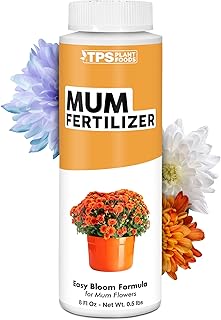
Best for: Mum growers, not muscadine grape growers. Its listed purpose is to support mum blooms, roots, foliage, and growth in garden beds and containers.
Why it was included: It provides a useful contrast when comparing search results: a fertilizer labeled for flowers is not the same as one specifically described for grapevines or a general fruit-growing use.
Limitation: The supplied information does not identify grapes as an intended use or provide a grape application rate. Choose a product labeled for grapes or supported by your soil-test recommendations instead.
Buying Guide: How To Choose Muscadine Fertilizer
Should you choose liquid or granular fertilizer?
Liquid products can suit gardeners who prefer a liquid application, while granular products offer a dry, measured format. The two grape liquid listings differ by bottle size, not by any supplied nutrient details. The 10-10-10 option identifies its nutrient percentages and slow-release claim. Compare labels rather than assuming one form works better for all vines.
Is organic fertilizer the right choice?
Bacchus is the listed option focused on organic soil amendment and soil properties, including organic matter and water retention. Its product information does not state a nutrient analysis. If you need to correct a specific nutrient shortage, check the label and use soil-test results to guide the choice.
How much fertilizer should you apply?
Use the product’s label directions and your soil-test recommendations. The supplied information does not establish a universal muscadine dose or schedule for these products. Avoid guessing or applying extra fertilizer to compensate for weak growth; poor growth can have causes other than nutrient deficiency.
What should you compare on the label?
- Intended use: Prefer products labeled for grapes or fruit-growing applications over flower-specific food.
- Nutrient analysis: Check N-P-K percentages when listed, then compare them with identified soil needs.
- Form and release: Decide whether liquid or granular application and a stated slow-release period suit your routine.
- Application directions: Follow dosage, timing, and handling instructions on the package.
Frequently Asked Questions
What is the best fertilizer for muscadine grapes?
The best choice depends on the vine’s soil conditions and nutrient needs. Consider a grape-labeled product or a fertilizer recommendation based on a soil test.
Can I use 10-10-10 on muscadine grapes?
The listed product is a general-purpose 10-10-10 fertilizer that includes fruit trees among its stated uses. Check the label and use it only when its nutrients and directions fit your situation.
Is the grape liquid fertilizer specifically proven for muscadines?
The supplied listing describes it as grape fertilizer but does not provide muscadine-specific results, nutrient analysis, or application directions.
Should I use mum fertilizer on muscadine vines?
No muscadine use is stated in the provided product information. Choose a grape-labeled product or follow guidance based on a soil test.
Why get a soil test before fertilizing?
A soil test helps identify nutrient levels and potential imbalances, making it easier to select a fertilizer without adding nutrients the soil may not need.