Best Fertilizers for Peach Trees That Promote Healthy Growth
Peach trees respond best to balanced nutrition that supports healthy roots, sturdy growth, and abundant fruit. This guide highlights five top-rated fertilizers well suited for peach varieties, including nectarines and other stone fruits. Whether you prefer liquid feeding or easy-to-use granular blends, the options below offer reliable nutrition for backyard orchards across the United States. Use the quick reference table for a fast side-by-side view, followed by in-depth product insights and practical buying tips.
| Product | Type | Key Benefit |
|---|---|---|
| TPS NUTRIENTS Peach Tree Fertilizer | Liquid Plant Food | Fertilizer for Peach Trees |
| Farmer’s Secret Fruit Tree Booster Fertilizer | Concentrated Plant Food | Phosphorus-rich; supports early growth |
| TreeHelp Premium Fertilizer for Peach | Granular Fertilizer | Promotes long-term vitality; robust roots |
| Espoma Tree-Tone 4-Pound | Organic Granular Fertilizer | Organic 6-3-2 with calcium; ready-to-use |
| Down To Earth All Natural Fruit Tree Mix | Organic Granular Fertilizer | OMRI-listed; includes calcium for fruit development |
TPS NUTRIENTS Peach Tree Fertilizer

TPS NUTRIENTS Peach Tree Fertilizer is designed specifically for peach trees, nectarines, and other stone fruits. Marketed as a liquid plant food, it provides nutrient delivery that can be quickly absorbed by the foliage and roots. The 8 oz (250 mL) bottle format suits small to mid-size backyard orchards or targeted feeding around pruning times. This option is convenient for growers who want rapid nutrient uptake and straightforward application without mixing granular blends.
For best results, follow label directions and apply during the active growing season. Liquid formulations can be easier to apply during warmer months, particularly when trees are actively developing leaves and fruit buds. This product’s simple, peach-focused intent makes it a practical choice for homeowners seeking a dedicated fertilizer that targets peach trees specifically.
Farmer’s Secret Fruit Tree Booster Fertilizer

Farmer’s Secret Fruit Tree Booster Fertilizer is a larger, 32 oz formula described as super concentrated and phosphorus rich. It’s positioned for all fruit trees, including peach, banana, and apple, making it a versatile option for mixed orchards. The emphasis on early growth cycle nutrition targets trees as they emerge from dormancy and begin bud development, supporting robust establishment and fruiting potential. This product is designed to deliver a strong nutrient pulse with a small application amount, aligning with orchard-specific fertilization strategies.
Users should apply according to label guidance, typically during early growth stages and throughout the growing season as trees demand steady nutrition. The concentrated nature means smaller, less frequent applications can cover larger tree canopies. This can be appealing for homeowners who manage multiple fruit types and want a single booster fertilizer that covers peach trees alongside other fruit varieties.
TreeHelp Premium Fertilizer for Peach
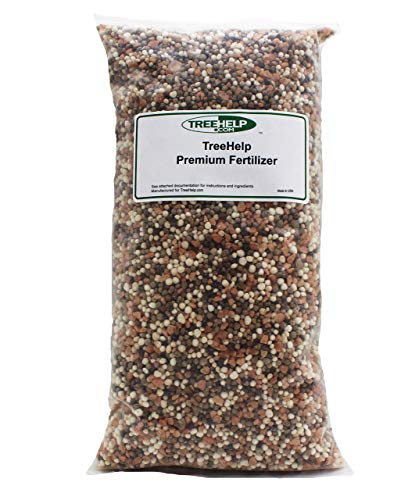
TreeHelp Premium Fertilizer for Peach is specially formulated for use on peach trees and is geared toward sustaining long-term vitality through strong root development. The packaging notes restricted availability in Washington, which is an important regional consideration for buyers. This product is a granular fertilizer intended to deliver consistent nutrition across the root zone, supporting resilient trees that can withstand dry spells and seasonal stress. The formulation aims to balance growth with fruit development for established trees and new plantings alike.
When applying, follow label directions and apply seasonally to support root growth and canopy vigor. The product’s peach-specific focus makes it a solid option for gardeners who want targeted nutrition for peach trees while still addressing general tree health and enduring vitality. If you’re managing a small orchard with peach trees, TreeHelp provides a reliable, region-aware feeding approach.
Espoma Tree-Tone 4-Pound

Espoma TR4 Tree-Tone 4-Pound is an organic granular fertilizer designed for shade, fruit, and ornamental trees, including peach trees. The 6-3-2 analysis is complemented by calcium, which supports fruit development and overall tree health. The product is described as environmentally safe, with no sludges or toxic ingredients, and it comes ready to use—requiring no mixing, which simplifies home orchard maintenance. Espoma emphasizes a natural approach and compatibility with a variety of landscape trees, making it a versatile option for mixed planting schemes.
Spring and fall applications are recommended for Tree-Tone, aligning with common tree-care cycles in temperate climates. For gardeners prioritizing organic inputs and straightforward usage, this option provides a reliable, user-friendly way to support peach tree growth and fruit production without synthetic additives. It’s particularly well-suited for homeowners seeking a trusted organic brand with a long-standing reputation.
Down To Earth All Natural Fruit Tree Mix

Down To Earth All Natural Fertilizers Organic Fruit Tree Mix is a five-pound box featuring a 6-2-4 formula. It is OMRI-listed for use in organic production, and it includes added calcium for proper fruit development. This product is positioned as a natural option designed to support home orchards with diverse fruit trees, including peach trees. The blend emphasizes soil health alongside nutrient delivery, aiming to promote steady growth, healthy roots, and fruitful harvests without synthetic inputs.
The mix is easy to apply and suitable for organic gardening contexts. Homeowners using organic-preferring landscapes may favor this option for its compatibility with other natural soil amendments. The calcium boost aligns with fruit quality goals, helping to support consistent fruit set and development across seasons while maintaining soil vitality.
Buying Guide
Choosing the right fertilizer for peach trees depends on several key considerations. Understanding nutrient balance, application method, and your orchard’s setup helps select a product that aligns with goals for vigor, yield, and fruit quality.
- Nutrient balance and NPK ratios: Peach trees benefit from balanced nitrogen, phosphorus, and potassium, plus micronutrients. Some options, like Tree-Tone, offer a natural 6-3-2 profile with calcium, while others emphasize phosphorus-rich or omnidirectional nutrition. Consider whether you want a specifically peach-focused product or a general fruit-tree formula that can also support nectarines and stone fruits.
- Organic versus synthetic: Organic options (Espoma Tree-Tone and Down To Earth Mix) support soil biology and OMRI listings, appealing to organic gardeners. Synthetic or concentrated blends (TPS NUTRIENTS, Farmer’s Secret, TreeHelp) can deliver rapid results and may be preferred for rapid establishment or heavier feeding schedules. Your preferences for sustainability, soil health, and regulatory considerations will guide the choice.
- Formulation and application method: Liquid formulas enable quick uptake but may require more frequent applications. Granular or ready-to-use blends offer convenience and slower release. Decide based on your labor capacity, tree size, and how you schedule care through the growing season.
- Season and timing: Apply fertilizers during the active growing season when trees are absorbing nutrients for leaf growth and fruit development. Some products emphasize early growth or post-dormancy feeding. Always follow label directions for timing and dosage to avoid over-fertilization and potential burn.
- Tree age and size: Younger trees may require lighter applications and smaller doses, while established trees can tolerate larger, more frequent feeds. For mixed orchards, a general-purpose fruit-tree fertilizer might simplify scheduling while addressing broader nutrient needs.
- Soil health and pH considerations: Some formulations include calcium or other micronutrients that support fruit development and cell structure. If your soil is nutrient-poor or overly acidic/alkaline, choose products that address those issues or complement existing soil amendments (lime, sulfur, compost). OMRI-listed options can be advantageous for organic setups.
- Calcium and fruit quality: Calcium-enhanced blends can improve fruit firmness and development, which is particularly relevant for peach varieties. If your goals include better fruit texture and shelf life, consider products that include calcium or plan a calcium-focused supplement as part of your regimen.
- Brand and label guidance: Reputable brands with clear label directions help ensure proper usage and safety. For backyards with multiple fruit trees, a versatile product that covers peach trees and other fruit varieties may reduce the number of products needed.
- Safety and storage: Store fertilizers in a cool, dry place away from children and pets. Follow any safety recommendations on the label, including the use of protective gear when handling concentrated formulations. Some products are ready-to-use, while others require dilution or mixing; plan accordingly.
- Integration with other care: Fertilizers should be coordinated with irrigation, pruning, and pest management. Some formulas are compatible with hydroponic or soil-based systems, while others are designed for traditional in-ground feeding. Ensure compatibility with your existing garden practices to avoid nutrient imbalances.
In practice, many gardeners choose a primary fertilizer that matches their soil’s needs and climate, then add targeted supplements during critical growth periods. Organic options like Espoma Tree-Tone and Down To Earth offer a holistic approach that aligns with soil health, while concentrated or phosphorus-rich formulas can be advantageous when rapid early growth is a priority. By evaluating your trees’ age, the overall health of the orchard, and your preferred farming style, you can select a fertilizer that supports robust peach production year after year.