Best Fertilizer for Raised Beds: Top Picks for Rich, Healthy Growth
Raised beds amplify garden productivity, but they also demand targeted nutrition. The right fertilizer supports strong root growth, better soil structure, and more abundant vegetables, herbs, and flowers without overwhelming the bed’s limited soil volume. This guide highlights five top options suited for raised-bed gardens, spanning organic blends to compost-based amendments. Each pick is evaluated for suitability with vegetables, fruits, herbs, and flowers, its longevity, and ease of application in tight spaces.
To help you compare quickly, the table below highlights each pick at a glance, including its organic status, typical coverage, and notable durability.
| Product | Highlights |
|---|---|
| Miracle-Gro Performance Organics Raised Bed Plant Nutrition Granules | Organic; 2.5 lb; quick-visible results (7 days); raised-bed formula |
| True Organic Raised Bed Food | Raised-bed optimized; seabird guano & shell meal; every 2 months |
| Miracle-Gro Raised Bed Plant Food (2 lb) | Up to 3 months feeding; works with Miracle-Gro Raised Bed Soil |
| Down To Earth Organic Vegetable Garden Fertilizer 4-4-4 | OMRI Listed; all-natural; slow-release; 5 lb |
| Scotts Super Bloom Water Soluble Plant Food | High phosphorus for blooms; feeds every 1-2 weeks; instant results |
Miracle-Gro Performance Organics Raised Bed Nutrition Granules
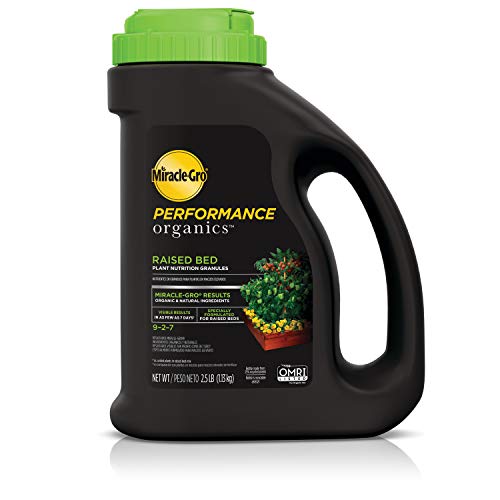
This product is designed specifically for raised beds, combining organic and natural ingredients that feed soil life while providing steady nutrition for plants. It aims to support vegetables, fruits, herbs, and flowers in raised beds, delivering visible results in as few as seven days compared with unfed beds. The granules are easy to apply on top of soil, then watered in to reach the root zone. It’s a practical option for gardeners seeking an organic approach without sacrificing speed of greens.
- Organic and natural plant food formulated for raised beds
- 2.5 lb bag provides a compact, long-lasting supply
- Visible results in as little as 7 days
- Suitable for vegetables, fruits, herbs, and flowers
- Supports soil life with a balanced, gradual release
Usage tips: apply according to package directions at the start of the growing season and follow up with irrigation to help nutrients reach the root zone. Reapply as directed for ongoing production throughout the season.
True Organic Raised Bed Food

True Organic Raised Bed Food is optimized for raised beds and large containers, helping herbs, vegetables, fruits, and flowers grow vigorously. Its premium blend includes seabird guano, shrimp and crab shell meal, and other proven components to nourish plants while enriching soil structure. The easy-to-use formula requires application every two months during the growing season, offering consistent nourishment that supports steady, long-lasting growth. This option emphasizes organic components and soil health alongside plant performance.
- Optimized for raised beds and large containers
- Contains seabird guano, shrimp and crab shell meal, and other proven nutrients
- Easy-to-use formula; apply every two months
- Provides long-lasting nourishment for herbs, flowers, vegetables, and fruits
Tip: combine with good soil-building practices such as compost incorporation to maximize the benefits in raised beds with limited soil depth.
Miracle-Gro Raised Bed Plant Food

Miracle-Gro Raised Bed Plant Food is designed to sustain raised beds for longer periods, with claims of up to three months of feeding. It targets all major edibles—fruits, flowers, vegetables, and herbs—while promoting a robust root system. The product is commonly used in conjunction with Miracle-Gro Raised Bed Soil to maximize harvest potential, as the combination can deliver synchronized nutrition and soil structure improvement for the best in-bed performance.
- Feeds for up to 3 months
- Supports fruits, vegetables, herbs, and flowers
- Best used with Miracle-Gro Raised Bed Soil for enhanced results
- Suitable for raised beds and container gardens
Application note: distribute evenly around the base of each plant and water thoroughly to help nutrients reach the root zone, following label directions for frequency and quantity.
Down To Earth Organic Vegetable Garden Fertilizer

Down To Earth Organic Vegetable Garden Fertilizer provides a balanced 4-4-4 NPK ratio with an all-natural, OMRI-listed composition. It’s designed to be safe for beneficial insects and pets, making it well-suited for residential gardens. The 5 lb bag is easy to apply directly to soil or mixed into garden beds, offering slow-release nutrients that help reduce leaching and feed plants gradually over an extended period. It’s a versatile option for a wide range of vegetables and general garden use.
- OMRI Listed; all-natural and non-toxic
- 5 lb bag; easy direct-application or bed mixing
- Slow-release formula minimizes nutrient leaching
- Versatile for many vegetables and garden layouts
Tip: for best results, pair with soil-building practices such as compost or aged mulch to improve water retention and microbial activity in raised beds.
Scotts Super Bloom Water Soluble Plant Food
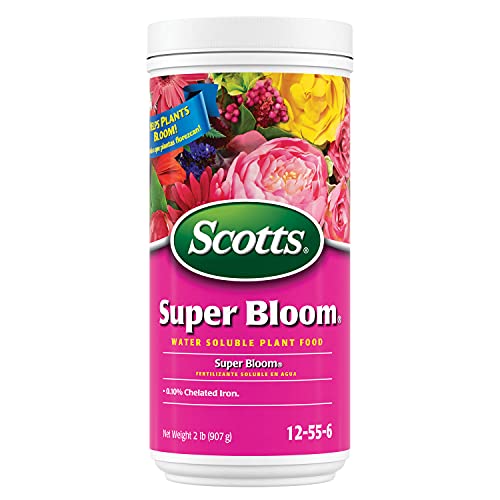
Scotts Super Bloom is a water-soluble formula designed to promote flowering. With a high phosphorus content (NPK 12-55-6), it aims to boost blooms in outdoor flowers, fruiting plants, containers, and bed areas. It can be applied every 1–2 weeks for quick, visible results, making it useful for beds that emphasize ornamental or fruiting crops. Because it is water soluble, it delivers nutrients rapidly, so follow directions to avoid over-fertilizing young or stressed plants.
- High phosphorus helps promote flowering
- Feeds every 1–2 weeks; instant feeding
- Suitable for outdoor flowers, fruiting plants, containers, and beds
- Water-soluble formula for quick uptake
Note: Use caution with salts and adjust application frequency based on rainfall and bed drainage to minimize potential leaf burn in sensitive plants.
Buying Guide
Organic options versus synthetics
Organic fertilizers, such as Miracle-Gro Performance Organics and True Organic Raised Bed Food, support soil biology and long-term health. They often rely on natural mineral sources and organic matter to release nutrients gradually. Synthetic blends, including high-phosphorus blends like Scotts Super Bloom, deliver fast, targeted results but may require more careful management to avoid salt buildup and rapid nutrient spikes. For raised beds, a mix of organic and slow-release products can balance immediate growth with soil vitality over time.
Nutrient balance and timing
Raised beds benefit from balanced NPK values that match your crop mix. Leafy greens typically prefer higher nitrogen early on, while flowering plants demand phosphorus and potassium for blooms. Slow-release formulas reduce leaching in shallow raised beds with frequent watering. Consider nutrient completeness (including micronutrients) and choose products that fit your plant plans for the season.
Application methods and bed size
Ease of application matters in raised beds where space is limited. Granular and pellet forms are simple to broadcast around plant bases and watered in. Water-soluble options offer quick uptake but may require more frequent applications. For larger beds, consider multi-month formulations or a combination of quick-release for initial growth and slow-release for ongoing nourishment.
Soil health and long-term care
Soil-building inputs like compost, worm castings, and OMRI-listed amendments support microbial diversity and water retention. Fertilizers that complement these practices—especially organic options—tend to improve soil structure over time. In raised beds, integrating fertilizers with organic matter helps maintain aeration and reduce nutrient runoff during rain events.
Safety, pollinators, and environmental considerations
Most raised-bed gardeners prioritize pollinator safety. Non-toxic, environmentally friendly options help protect beneficial insects and surrounding wildlife. When using high-phosphorus blends or water-soluble products, apply according to directions to minimize runoff and protect nearby water sources. OMRI listing is a helpful marker for organic gardeners seeking certified products.
Plant type and seasonal planning
Match fertilizer choices to crops and season. For heavy bloomers, prioritize phosphorus-rich options; for leafy greens, focus on nitrogen-rich or balanced products. In spring, a slow-start fertilizer supports early growth, while mid-season feedings sustain production. Always read label directions for application timing and compatibility with existing soil amendments.