Best Fertilizers for Yellow St Augustine Grass to Restore Color and Growth
Yellowing patches in St. Augustine lawns are often caused by nutrient gaps, weed pressure, or heat-related stress. A targeted fertilizer program can help restore vibrancy while supporting disease resistance and turf density. This guide highlights five fertilizers that perform well on St. Augustine grass in American homes, focusing on nutrient balance, weed control options, and ease of use. Each product is evaluated for how well it addresses yellowing and promotes steady, healthy growth in warm-season lawns.
Summary table of chosen products below provides quick reference on nutrient mix (N-P-K), coverage, and key notes. Use the table to compare suitability before selecting a product for your yard.
| Product | Brand | N-P-K | Coverage / Notes |
|---|---|---|---|
| Fertilome St. Augustine Weed & Feed 15-0-4 | ferti-lome | 15-0-4 | 12.8 lb bag; weed control plus fertilizer; suitable for Centipede, Zoysia, and St. Augustine; not for Bermuda. |
| LESCO 50 lb St. Augustine Grass Weed and Feed | LESCO | 17-0-17 | Covers large areas (50 lb bag); slow-release; safe for Floratam variety; includes Penoxsulam. |
| Scotts Turf Builder Lawn Food | Scotts | N-P-K not shown on listing | Covers 5,000 sq ft; strengthens roots and improves water/nutrient uptake; suitable for all grass types. |
| Sunniland Weed & Feed 20-0-6 | Generic | 20-0-6 | Covers 5,000 sq ft; easy to spread; two spring/fall applications; works on St. Augustine grasses. |
| SeedRanch St. Augustine Lawn 24-2-11 | Lesco | 24-2-11 | Covers up to 12,000 sq ft; includes iron for greening; targeted for St. Augustine lawns. |
Fertilome St. Augustine Weed & Feed 15-0-4

Fertilome’s Weed & Feed for St. Augustine combines weed suppression with a 15-0-4 fertilizer formulation, delivering essential nitrogen to promote green growth while targeting common lawn weeds. The product is designed for St. Augustine, Centipede, and Zoysia types and is not recommended for Bermuda grasses. The dual action helps reduce yellowing caused by weed competition and nutrient deficiency. Homeowners should follow label directions, applying during appropriate seasons and avoiding use on lawns not listed on the label. The 12.8-pound bag is convenient for smaller yards or for spot-treatment programs.
When applying, water after spreading to activate the fertilizer and ensure even distribution. Benefits include quicker color improvement and a more uniform canopy, especially when weeds steal nitrogen from stressed areas. Because the product includes weed control, it’s best used when visible lawn weeds are present or likely to emerge. For best results, pair with a soil test to adjust nitrogen rates and irrigation to avoid runoff. Applications should align with regional climate patterns and local regulations.
LESCO 50 lb St. Augustine Grass Weed and Feed
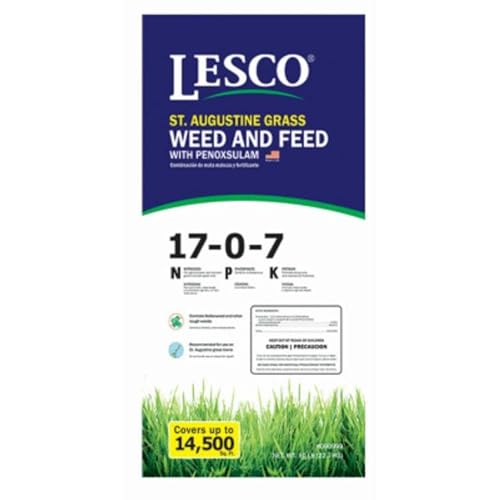
Lesco’s 50-pound formulation is tailored for St. Augustine turf with a distinct 17-0-17 N-P-K ratio, offering a balanced, slow-release feed. The product uses 30% poly-coated sulfur-coated urea to extend nutrient availability and provides a two-week to four-week visible improvement window. It’s explicitly marketed for St. Augustine turf and is safe for Floratam varieties. The weed control component helps suppress broadleaf and grassy weeds, supporting a healthier, more uniform lawn color. Apply when turf is wet, then allow it to dry to maximize uptake and reduce the risk of runoff.
The slow-release design provides ongoing feeding for up to eight weeks, helping to stabilize nitrogen supply through fluctuating spring and early-summer conditions. As with any weed-and-feed product, follow label directions precisely and avoid overlapping applications with other products to prevent turf burn. For best outcomes, slot applications into a broader lawn care plan that includes proper mowing height and irrigation adjustments for St. Augustine lawns.
Scotts Turf Builder Lawn Food

Scotts Turf Builder Lawn Food is marketed as a versatile option for a wide range of grasses, including St. Augustine in mixed-tertilized landscapes. The product aims to feed and strengthen roots, improving a lawn’s resilience against water and nutrient stress. It’s noted for allowing application on either wet or dry lawns—convenient for homeowners juggling irregular watering schedules. While the exact N-P-K values aren’t listed in the product snippet, Scotts materials typically emphasize deep root development and enhanced nutrient uptake. This makes it a practical all-purpose choice when you want a simple, effective feeding program.
Users should ensure even distribution by following spreader settings and reapplying per label timing. While it’s not a weed-specific product, combined with seasonal weed control, it can contribute to a healthier lawn that better withstands yellowing from nutrient deficiencies. Consider pairing with a soil test to tailor the amount of nitrogen to your soil’s needs, especially in warmer Southern climates where St. Augustine thrives.
Sunniland Weed & Feed 20-0-6

Sunniland Weed & Feed 20-0-6 is a simple, user-friendly option for St. Augustine lawns. The 20-0-6 N-P-K ratio provides a strong nitrogen boost for rapid greening while maintaining a modest phosphorus and potassium profile suitable for warm-season turf. The product ships in 5,000-square-foot coverage per pack and is marketed for use on all St. Augustine grass types, making it a flexible choice for varied landscape designs. The granules are described as easy to spread, with two applications planned—one in spring and another in fall—helping to stabilize color across growing seasons.
Two applications, if timed correctly, can reduce color fluctuations and improve overall turf vigor. When applying weed-and-feed products, it’s important to target active weed growth periods and avoid extremely hot or dry conditions that could stress the lawn. Always follow the label for the correct application rate and watering instructions to prevent burn and ensure even distribution across patches of yellowing turf.
SeedRanch St. Augustine Lawn 24-2-11
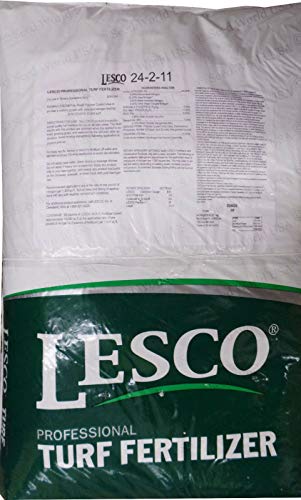
SeedRanch’s St. Augustine Lawn 24-2-11 is a granular product designed with warm-season lawns in mind. The 24-2-11 formulation delivers a strong nitrogen presence to support green-up and lush growth, along with secondary nutrients to improve overall turf health. Notably, the product features 6% iron, which helps promote a deeper green color—a practical benefit when yellowing patches appear. Coverage is around 12,000 square feet per bag, making it suitable for mid-sized lawns and for spreading on larger areas over multiple applications.
In addition to feeding, the product’s iron component assists in greening without excessive phosphorus, which can be a concern in some soils. Homeowners should combine this fertilizer with soil testing to fine-tune fertilizer rates, especially in regions where soil pH and nutrient availability influence St. Augustine performance. For best results, apply during active growing seasons and water according to label directions to maximize uptake and minimize runoff.
Buying Guide
Nutrient Balance for St. Augustine
St. Augustine grass generally responds well to nitrogen-rich programs, as nitrogen drives leaf growth and color. Look for fertilizers with an N-P-K ratio that emphasizes nitrogen (for example, 20-0-6 or 24-2-11 patterns) and avoid products with excessive phosphorus unless a soil test indicates a need. In warm-season climates, a steady, slow-release nitrogen source helps maintain color through heat and drought stress without encouraging excessive shoot growth that can lead to maintenance challenges. Consider products labeled specifically for St. Augustine or Southern grasses for best compatibility with your lawn’s needs.
Weed Control vs. Fertilization
Many formulations fuse weed control with fertilization. These weed-and-feed products can be convenient, but they require careful timing to maximize effectiveness and reduce turf stress. Confirm that the active herbicide is compatible with St. Augustine varieties (especially Floratam) and avoid products containing ingredients not approved for your cultivar. If Florida or Southern grasses comprise your lawn, a targeted fertilizer without weed control may be preferable in some seasons, with separate weed control applied as needed.
Application Timing and Weather
Apply during moderate temperatures and adequate soil moisture to support uptake without promoting turf burn. Spring and early summer are common windows for achieving a quick color boost, while fall applications help prepare the lawn for winter. Avoid applying fertilizers during peak heat, drought, or when rain is forecast to prevent nutrient runoff. For winter stress-prone zones, split applications can spread nitrogen more evenly and prevent rapid growth that stress-prone periods cannot support.
Release Type and Longevity
Slow-release nitrogen generally offers longer-lasting green color and reduces mowing cycles. Quick-release nitrogen can deliver faster greening but may lead to shorter duration and potential burn if overapplied. Review product labels for release mechanisms (coated, coated-urea, or liquid) and plan your schedule around the lawn’s growth rate and irrigation regime. A blend of slow and quick-release nitrogen can provide both immediate color and sustained growth for St. Augustine lawns.
Coverage, Equipment, and Safety
Match product coverage to your lawn size to avoid over- or under-application. Use a broadcast spreader for even distribution and adjust settings to approximate the bag’s coverage area. Always follow label directions for safe handling, pet and family safety, and environmental considerations. When using weed-and-feed products, ensure pets are kept away until treated areas are dry to the touch. If you’re unsure about the correct spreader setting, perform a test area first and adjust according to results.
In summary, choose a nitrogen-forward fertilizer tailored for St. Augustine, consider whether you need weed control in the same product, and align applications with your local climate and soil conditions. A soil test will help refine the nitrogen target and prevent nutrient imbalances, ensuring yellowing patches recover efficiently while maintaining lawn health throughout the growing season.